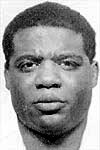






Forensic & Criminological Matrix
| Parameter | Forensic Detail |
|---|---|
| Forensic Heading / Aliases | null |
| Legal Identity | Jeffery Lee Griffin |
| Confirmed Victims | 1 |
| Attributed / Indicted Victims | 3 |
| Active Timeline | 1978-1979 |
| Jurisdiction / Area of Operations | Houston, Texas, USA |
| Criminological Classification | Serial Killer (attributed) |
| Forensic Modus Operandi | Stabbing with hunting knife |
| Weapon / Mechanism of Death | Deer-skinning knife |
| Motive / Behavioral Dynamics | Pathological impulsivity |
| Judicial Outcome | Executed by lethal injection |
1. Background and Profile
Jeffery Lee Griffin was an individual with a history of mental health issues residing in Houston. His criminal profile was defined by erratic behavior and impulsive violence. While he was linked to three homicides, the judicial system focused solely on the murder of David Sobotik, leaving other charges, including the murder of a child and a woman, untried.
2. Crime Spree
On March 12, 1979, Griffin robbed a convenience store in North Houston. He abducted the night manager, 19-year-old David Sobotik, and a 7-year-old errand boy, Horacio "Chito" DeLeon. He drove them to a secluded area and stabbed them both to death using a deer-skinning knife. Previously, in July 1978, he had murdered Sylvia Mendoza following a sexual encounter, a crime he confessed to but was never prosecuted for.
3. Investigation and Arrest
Police investigation began after the bodies of Sobotik and DeLeon were discovered in Sobotik's car. Griffin, who was an acquaintance of the victims, initially attempted to mislead investigators by claiming two unknown men had abducted them. However, inconsistencies in his statement and a failed polygraph test led to his arrest on March 13, 1979.
4. Legal Proceedings and Outcome
Griffin confessed to the murders during police interrogation. His trial became a landmark case regarding the admissibility of confessions under Edwards v. Arizona. The defense argued that police continued questioning after Griffin requested counsel. The Fifth Circuit Court of Appeals ultimately ruled that Griffin's request was limited and that his constitutional rights were not violated.
5. Psychiatric Evaluation and Execution
Griffin was sentenced to death for the murder of David Sobotik. Despite numerous appeals citing mental incompetence, all were denied by the Supreme Court and lower courts. He was executed by lethal injection at the state prison in Huntsville, Texas, on November 19, 1992.