



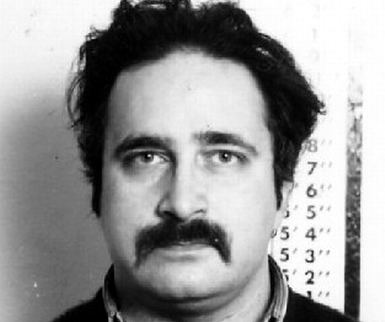
Forensic Technical Sheet: Troy Leon Gregg
| Parameter | Forensic Detail |
|---|---|
| Full Name | Troy Leon Gregg |
| Alias | Troy Gregg |
| Date of Birth | April 22, 1948 |
| Date of Death | July 29, 1980 (aged 32) |
| Jurisdiction of Operation | Gwinnett County, Georgia, United States |
| Active Period | November 1973 |
| Legal Status | Deceased (sentenced to death; died in violent brawl following prison escape) |
| Legal Significance | Landmark precedent Gregg v. Georgia (1976), reinstating capital punishment in the U.S. |
| Confirmed Victims | 2 (Fred Edward Simmons and Bob Garland Durrence) |
| Weapon and Method | Firearm (.25 caliber pistol), point-blank headshots in roadside ditch |
| Primary Motive | Violent robbery (theft of motor vehicle and currency) |
Case Overview and Historical Significance
Troy Leon Gregg holds a seminal position in American constitutional and criminal jurisprudence. Condemned to death for a 1973 double homicide and armed robbery in Gwinnett County, Georgia, his legal challenge reached the Supreme Court of the United States, culminating in the landmark decision Gregg v. Georgia (428 U.S. 153) on July 2, 1976. The ruling affirmed that capital punishment did not intrinsically violate the Eighth Amendment against cruel and unusual punishment, ending the national moratorium established in 1972 by Furman v. Georgia and establishing modern bifurcated capital trial guidelines.
The 1973 Double Homicide
On November 21, 1973, Troy Leon Gregg and a juvenile traveling companion, Floyd Allen, were hitchhiking in northern Florida when they were offered a ride by Fred Edward Simmons and Bob Garland Durrence in a 1960 Pontiac. While driving through Georgia towards Atlanta, another passenger briefly rode with them before being dropped off.
Later that evening, when the car pulled over near an isolated highway turnoff in Gwinnett County for the occupants to relieve themselves by a roadside ditch, Gregg drew a .25 caliber pistol and shot Simmons and Durrence at point-blank range. As the wounded men lay defenseless in the ditch, Gregg approached them and fired lethal shots directly into their heads. He then stole their wallets, took possession of the vehicle, and fled north. Following a multi-jurisdictional bulletin, Gregg and Allen were apprehended in Asheville, North Carolina, with the murder weapon and the victims' car in their possession.
Legal Adjudication and the Historic Prison Break
Tried in Georgia, Gregg was convicted of two counts of murder and two counts of armed robbery, receiving sentences of death. Following the reaffirmation of his capital sentence by the U.S. Supreme Court, his execution was scheduled for late July 1980.
On July 28, 1980, hours prior to his scheduled execution, Gregg executed an unprecedented escape from Georgia State Prison in Reidsville alongside three other condemned inmates (Timothy McCorquodale, Johnny L. Johnson, and David Jarrell). After sawing through window bars and donning makeshift guard uniforms, the group fled the facility grounds. The following night, July 29, 1980, while hiding out near Mountain City, Gregg entered into a violent physical altercation with members of a local motorcycle club at a tavern and was beaten and strangled to death prior to recapture.
Dossier reviewed and systematized in accordance with CRIMETECA forensic and archival standards.