Forensic & Criminological Matrix
| Parameter | Forensic Detail |
|---|---|
| Forensic Heading / Aliases | None |
| Legal Identity | Ricky Lee Green |
| Confirmed Victims | 4 |
| Attributed / Indicted Victims | 12+ |
| Active Timeline | 1985-1986 |
| Jurisdiction / Area of Operations | Texas, USA |
| Criminological Classification | Serial Killer |
| Forensic Modus Operandi | Immobilization, torture, excessive stabbing, and genital mutilation |
| Weapon / Mechanism of Death | Knives and ligatures |
| Motive / Behavioral Dynamics | Psychopathy, sexual sadism |
| Judicial Outcome | Death penalty via lethal injection |
1. Background and Psychopathy
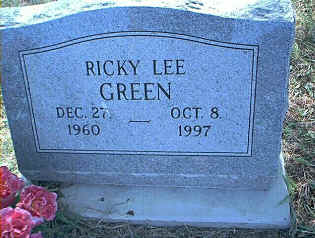
Ricky Lee Green (1960–1997) was a product of a severely abusive upbringing. His father, Bill Green, subjected him and his brother to cattle prods, closet confinement, and near-drowning. While defense attorneys argued these events created a 'human bonsai tree' unable to grow, expert witnesses testified that there is no direct correlation between childhood abuse and serial murder.
2. Crime Spree
Green's killing technique involved excessive violence, including up to 50 stab wounds per victim. He targeted individuals at locations such as Casino Beach. His signature involved the castration of male victims and the placement of their genitals in their mouths. He confessed to killing 15 other people, claiming he was doing the country a favor by killing 'whores' and homosexuals.
3. Investigation and Arrest
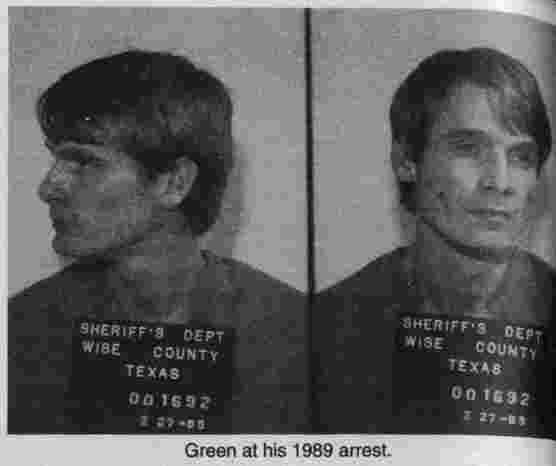
The murder of advertising executive Steven Fefferman in December 1986 became the focal point of the prosecution. The evidence was so graphic that jurors required psychiatric care. Detective Daniel LaRue noted that Green left his mark across the state of Texas, with confessions and physical evidence making an acquittal unlikely.
4. Legal Proceedings and Outcome
Green was convicted in 1990. The trial venue was moved to Austin due to intense media coverage. Despite multiple habeas corpus petitions and a stay of execution in 1994, his appeals were exhausted. He was executed on October 8, 1997, at the Huntsville Unit. His final statement expressed regret but maintained that his execution would not solve anything.