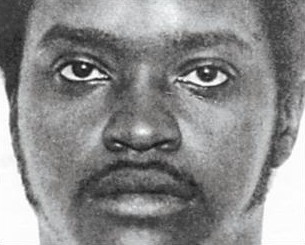
Forensic & Criminological Matrix
| Parameter | Forensic Detail |
|---|---|
| Forensic Heading / Aliases | null |
| Legal Identity | Anthony Green |
| Confirmed Victims | 1 |
| Attributed / Indicted Victims | 1 |
| Active Timeline | 1987 |
| Jurisdiction / Area of Operations | Charleston, South Carolina |
| Criminological Classification | Robbery-homicide offender |
| Forensic Modus Operandi | Public space ambush with long gun |
| Weapon / Mechanism of Death | Rifle |
| Motive / Behavioral Dynamics | Robbery-homicide |
| Judicial Outcome | Death penalty (executed 2002) |
1. Background and Psychopathy
Anthony Green was an American offender whose criminal career reached its peak with the murder of Susan Babich. His profile is consistent with violent offenders who utilize firearms to facilitate property crimes, demonstrating a lethal escalation in his criminal behavior.
2. Crime Spree
On the afternoon of November 21, 1987, at the Charles Towne Square Shopping Mall in Charleston, South Carolina, Green confronted Susan Babich. Armed with a rifle, he shot the victim in the head, stole her pocketbook, and fled the scene. The precision and lethal nature of the attack indicate a high level of aggression during the commission of the robbery.
3. Investigation and Arrest
Police apprehended Green shortly after the incident, aided by a description from an eyewitness. Upon searching his vehicle, officers recovered the rifle used in the shooting and the victim's checkbook, providing overwhelming evidence of his guilt.
4. Legal Proceedings and Outcome
Green was tried in Charleston County, where a jury found him guilty of murder and armed robbery, recommending a death sentence. His case reached the United States Court of Appeals for the Fourth Circuit, where legal debates regarding due process and jury selection were held, but the conviction and sentence were ultimately affirmed.
5. Forensic Psychiatric and Final Outcome
Following the exhaustion of all state and federal appeals, Anthony Green was executed in 2002. His case remains a significant reference point in South Carolina legal history regarding capital punishment and procedural due process.