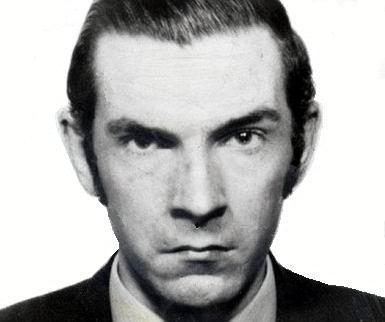





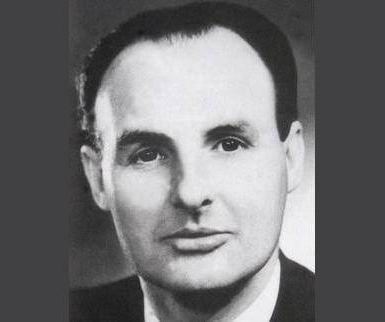
Forensic & Criminological Matrix
| Parameter | Forensic Detail |
|---|---|
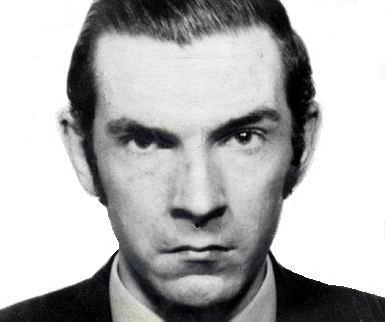
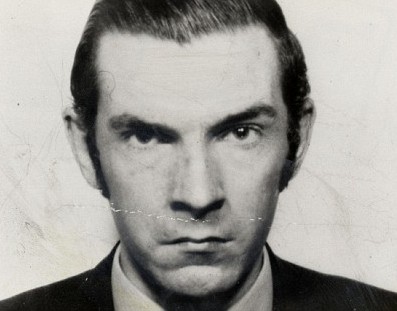
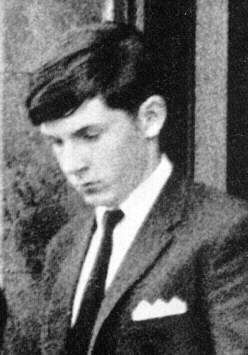
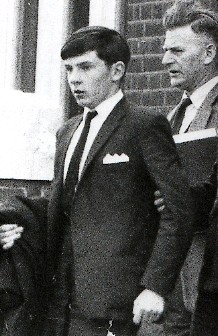
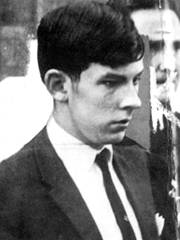
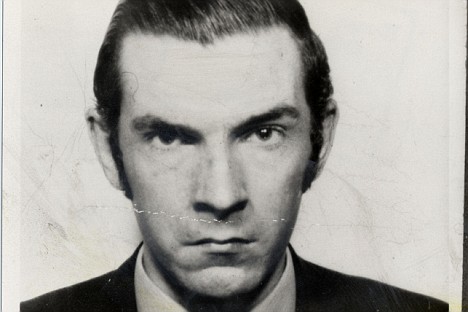
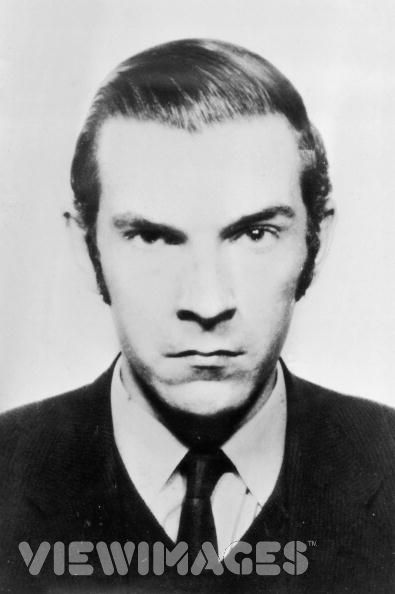
| Full Legal Name | Graham Frederick Young |
| Criminal Monikers | The Teacup Poisoner, The St. Albans Poisoner |
| Born | September 7, 1947, Neasden, London, England, United Kingdom |
| Died | August 1, 1990 (aged 42), HM Prison Parkhurst, Isle of Wight, United Kingdom |
| Manner of Death | Acute myocardial infarction (natural death under persistent penal surveillance) |
| Criminological Classification | Serial chemical poisoner, clinical experimenter, and predatory sociopath |
| Active Criminal Spree | 1961–1962 (adolescent phase) / 1971 (adult factory phase) |
| Geographical Range | Neasden (London) and John Hadland Laboratories in Bovingdon (Hertfordshire), UK |
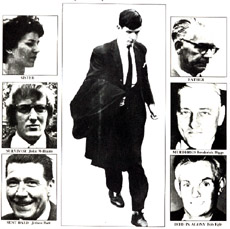
| Confirmed Fatal Victims | 3 (his stepmother Molly Young in 1962; warehouse managers Bob Egle and Fred Biggs in 1971); poisoned and incapacitated over 70 individuals across schools, family households, and industrial workplaces |
| Poisons Administered | Thallium sulphate, antimony potassium tartrate (tartar emetic), atropine, and digitalis |
| Delivery Mechanism | Office tea rounds, coffee kettles, shared water jugs, and family condiments |
| Incriminating Forensic Proof | Exhaustive handwritten clinical notebooks documenting laboratory dosages, symptom latencies, and biological deteriorations of human subjects |
| Current Legal Status | Died while serving multiple life sentences at HM Prison Parkhurst on August 1, 1990 |
EXECUTIVE SUMMARY & CRIMINOLOGICAL IMPACT
Graham Frederick Young occupies a uniquely chilling position in twentieth-century forensic psychiatry. Untouched by conventional criminal motives—such as financial enrichment, territorial rage, or sexual gratification—Young perceived human beings as biological reagents. For him, murder was a dispassionate exercise in empirical toxicology.
The case also sparked one of the most severe public and political scandals in British psychiatric history. Having poisoned his family and murdered his stepmother at age 14, Young was sent to Broadmoor High Security Hospital, only to be pronounced "fully rehabilitated" by senior clinicians nine years later. Shortly after release, he acquired thallium and systematically laced the tea supply of an entire manufacturing facility in Hertfordshire.
EARLY CHILDHOOD AND OBSESSIVE TOXICOLOGICAL PEDAGOGY
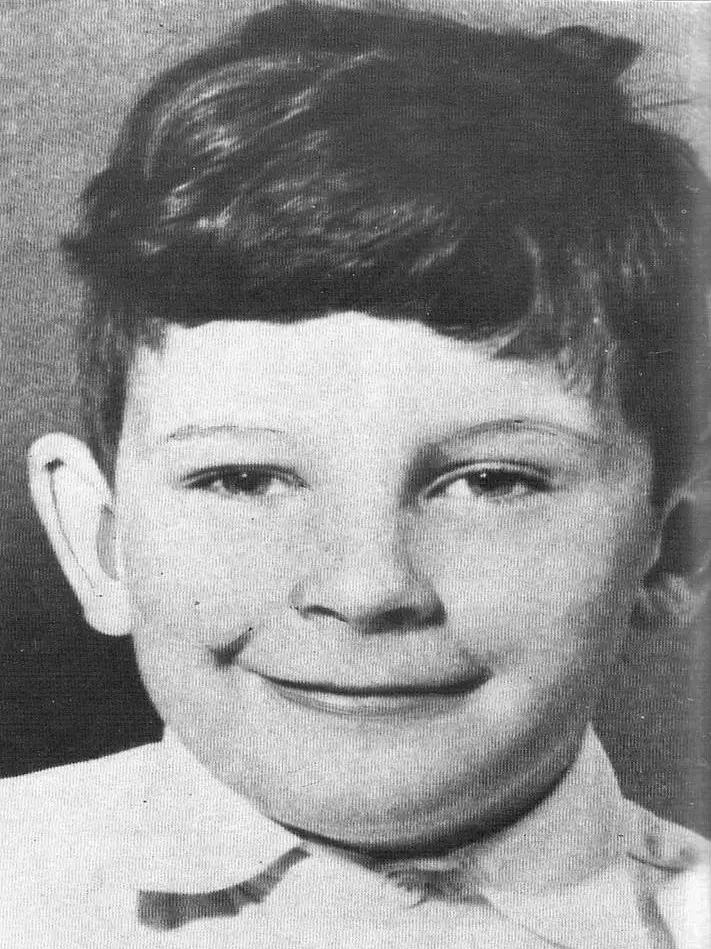
Born in Neasden, Middlesex, in 1947, Young experienced early maternal loss when his mother died of pleurisy months after his birth. Reunited with his father Fred and new stepmother Molly, Graham exhibited superior cognitive abilities combined with complete emotional detachment.
By age ten, Graham developed an all-consuming passion for 19th-century poisons, Nazi occultism, and pharmacology. Posing as an older chemistry student or fabricating scientific credentials, he convinced local pharmacists to supply him with regulated toxic compounds like antimony and arsenic, claiming they were for advanced school assays.
THE ADOLESCENT POISONINGS AND MOLLY YOUNG (1961–1962)
In 1961, Graham began surreptitiously introducing antimony into the domestic kitchen. His father, sister Winifred, and stepmother suffered bouts of vomiting, cramps, and debilitating abdominal spasms. When his sister survived a severe dose of belladonna in her morning tea, doctors remained baffled.
On April 21, 1962, Molly Young collapsed and died in agonizing stomach pain. Although her body was cremated without toxicological post-mortem, Graham's science tutor at school uncovered vials of antimony in his desk and alerted authorities. Under questioning by a police psychiatrist, 14-year-old Graham calmly explained the pharmacology of his family's poisoning.
Deemed severely mentally abnormal, Young was detained indefinitely under the Mental Health Act at Broadmoor Hospital in 1962, becoming one of its youngest inmates.
THE BROADMOOR DETENTION AND THE REHABILITATION FAILURE
Throughout nine years at Broadmoor, Young studied medical texts, extracted cyanide from ornamental laurel bushes, and was strongly suspected of poisoning fellow inmates. However, he carefully simulated subservience and contrition during clinical evaluations.
In 1970, Broadmoor authorities concluded that his obsession with poisons was cured. On February 4, 1971, 23-year-old Graham Young was discharged unconditionally into society.
THE BOVINGDON OUTBREAK: THALLIUM IN THE TEA TROLLEY (1971)
Soon after release, Young obtained employment as a storeroom assistant at John Hadland Laboratories in Bovingdon, Hertfordshire, which processed specialized photographic supplies. Taking charge of brewing tea for co-workers, Young acquired thallium sulphate from a London chemical wholesaler using fictitious corporate credentials.
Within weeks, employees were incapacitated by an excruciating, unidentified illness termed "The Bovingdon Bug":
- Bob Egle (60): Young's direct supervisor, experienced climbing paralysis, extreme neural sensitivity, and died in July 1971 (initially misattributed to pneumonia).
- Fred Biggs (56): Suffered acute alopecia, agonizing peripheral nerve collapse, and multi-organ breakdown, dying in November 1971.
- Dozens of workers suffered partial paralysis, blindness, and nerve damage.
ARREST, LAB DIARIES, AND JUDGMENT
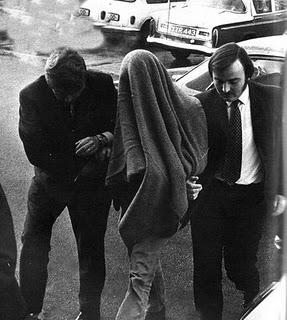
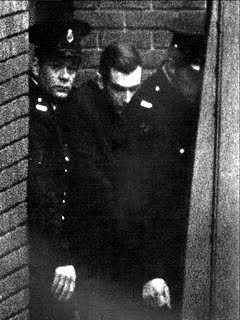
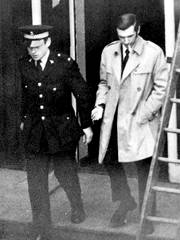
Suspicion arose during an internal company meeting with Dr. Anderson, where Graham Young engaged in hyper-technical debates criticizing medical staff for failing to diagnose heavy metal and thallium toxicity. Perplexed, the doctor notified police, who checked Young's record and arrested him on November 21, 1971.
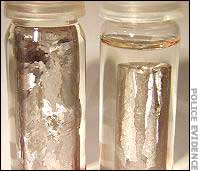
A search of his person and boarding house revealed vials of thallium and antimony alongside his handwritten diary. In cold, clinical notation, Young had monitored his victims: "F. has developed progressive numbness and alopecia; dosage was correct. Death anticipated within days."
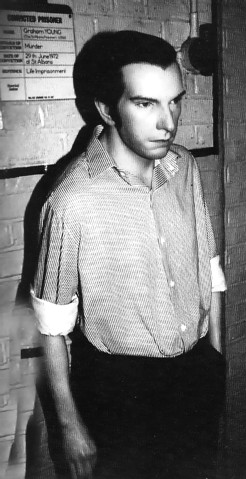
In June 1972, at St. Albans Crown Court, Graham Young was convicted of two murders, two attempted murders, and multiple poisonings, receiving four life terms. He was imprisoned under strict isolation at HM Prison Parkhurst on the Isle of Wight, where he died of a heart attack on August 1, 1990, at age 42.