Forensic & Criminological Matrix
| Parameter | Forensic Detail |
|---|---|
| Forensic Heading / Aliases | N/A |
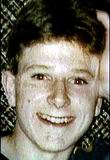
| Legal Identity | Iain Hay Gordon |
| Confirmed Victims | 0 (Exonerated) |
| Attributed / Indicted Victims | 1 (Patricia Curran) |
| Active Timeline | 1952 (Events) |
| Jurisdiction / Area of Operations | Whiteabbey, Northern Ireland |
| Criminological Classification | Miscarriage of Justice / False Confession |
| Forensic Modus Operandi | N/A (Innocent) |
| Weapon / Mechanism of Death | N/A |
| Motive / Behavioral Dynamics | N/A |
| Judicial Outcome | Conviction quashed in 2000 by the Court of Appeal |
1. Background and Profile
Iain Hay Gordon was a 20-year-old RAF technician from Glasgow stationed near Whiteabbey, Northern Ireland, in 1952. He was a naive individual who had little experience with the outside world. His brief association with the Curran family, initiated through church activities, placed him in the crosshairs of a desperate police force.
2. Crime Spree
Patricia Curran, the 19-year-old daughter of a high-ranking judge, was found stabbed 37 times in November 1952. The crime scene was highly suspicious, with evidence suggesting a cover-up or a staged scene, yet the investigation focused on Gordon due to his lack of a solid alibi and his perceived vulnerability.
3. Investigation and Arrest
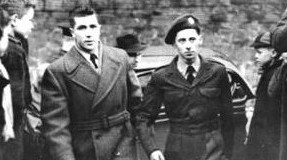
Gordon was subjected to intense, illegal interrogation tactics by Detective Superintendent John Capstick. Threatened with the exposure of his private life and exhausted by days of questioning, Gordon signed a fabricated confession. The police ignored exculpatory evidence and failed to follow standard legal procedures.
4. Legal Proceedings and Outcome
In 1953, Gordon was found 'guilty but insane' and institutionalized for seven years. He was released in 1960 under strict conditions of anonymity. It was not until 2000 that his conviction was officially quashed by the Court of Appeal, which admitted the confession was unreliable and the trial was fundamentally unsafe.