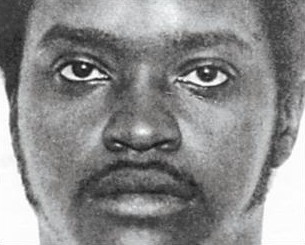





Forensic & Criminological Matrix
| Parameter | Forensic Detail |
|---|---|
| Forensic Heading / Aliases | None |
| Legal Identity | Washington Goode |
| Confirmed Victims | 1 |
| Attributed / Indicted Victims | 1 |
| Active Timeline | 1849 |
| Jurisdiction / Area of Operations | Boston, Massachusetts |
| Criminological Classification | Homicide offender |
| Forensic Modus Operandi | Use of bladed weapon in altercation |
| Weapon / Mechanism of Death | Knife |
| Motive / Behavioral Dynamics | Interpersonal conflict |
| Judicial Outcome | Execution by hanging |
1. Background and Profile
Washington Goode was an African-American sailor residing in Boston during the mid-19th century. His case is historically significant within American criminology, serving as a stark example of the intersection between capital punishment and the racial prejudices prevalent in the Massachusetts judicial system of the 1840s.
2. Criminal Career and Modus Operandi
Goode was accused of the murder of a man in Boston in 1849. The incident involved the use of a knife during a personal dispute. The prosecution's case was heavily criticized for relying on questionable evidence and for the underlying racial bias that characterized the investigation and subsequent trial.
3. Investigation and Arrest
The investigation was conducted under significant public pressure to secure a conviction. Despite Goode's consistent claims of innocence, law enforcement and the prosecution focused their efforts on securing a guilty verdict, largely disregarding potential exculpatory evidence.
4. Legal Proceedings and Outcome
The trial of Washington Goode became a cause célèbre for those opposed to the death penalty. The case generated widespread public outcry, resulting in petitions for clemency signed by over 24,000 citizens, which were presented to Governor George N. Briggs. These efforts highlighted the growing movement against capital punishment and the systemic inequalities of the era.
5. Forensic Conclusion and Execution
Despite the massive public support and the petitions for clemency, the judicial system proceeded with the execution. Washington Goode was hanged in May 1849. His death remains a somber case study in the history of American jurisprudence, illustrating the profound impact of racial bias on the administration of justice.