



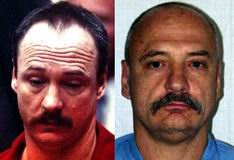
Forensic & Criminological Matrix
| Parameter | Forensic Detail |
|---|---|
| Forensic Heading / Aliases | Capone |
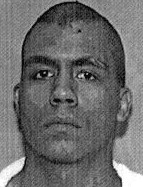
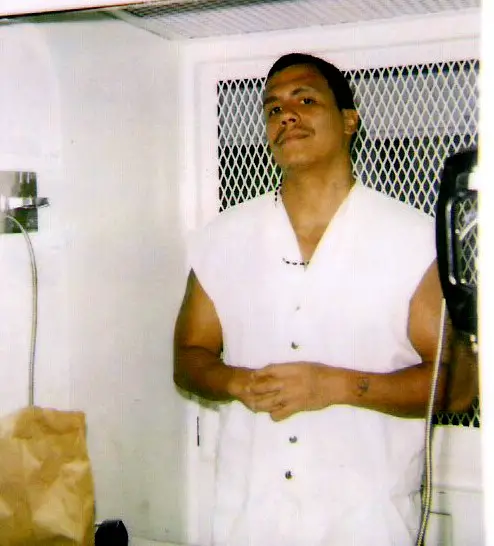
| Legal Identity | Gabriel Gonzales |
| Confirmed Victims | 1 |
| Attributed / Indicted Victims | 1 |
| Active Timeline | 1994 |
| Jurisdiction / Area of Operations | San Antonio, Texas |
| Criminological Classification | Capital Murderer |
| Forensic Modus Operandi | Armed robbery with firearm execution |
| Weapon / Mechanism of Death | Firearm |
| Motive / Behavioral Dynamics | Robbery, gang affiliation (Crips) |
| Judicial Outcome | Death sentence (1997), overturned in 2006 for re-sentencing |
1. Background and Profile
Gabriel Gonzales was born on March 22, 1974. During his formative years, he became deeply entrenched in gang culture as a member of the Crips in Texas. Forensic evaluations conducted post-conviction revealed a history of severe physical and sexual abuse by his father, leading to diagnoses of Post-Traumatic Stress Disorder (PTSD), ADHD, hereditary epilepsy, and learning disabilities. These critical factors were omitted during his initial trial.
2. Criminal Career and Modus Operandi
On July 20, 1994, Gonzales and four other gang members executed a robbery at a pawnshop. The group sought firearms and cash. When the shop owner, Louella Hilton, attempted to hide in a back room, Gonzales pursued her and fired multiple shots through the closed door, fatally wounding her. The group then stole 29 weapons and the contents of the cash register before fleeing the scene.
3. Investigation and Arrest
The investigation relied heavily on the testimony of accomplices, including DeAnthony Walker, who received a plea deal. The defense later challenged the identification process, noting that Gonzales was the only Latino in a line-up of Black individuals. No physical evidence, such as fingerprints or possession of stolen items, directly linked Gonzales to the crime scene.
4. Legal Proceedings and Outcome
Gonzales was arrested within three days of the crime. In 1997, he was convicted of capital murder and sentenced to death. In 2006, the Texas Court of Criminal Appeals granted a writ of habeas corpus, ruling that his trial counsel provided ineffective assistance by failing to investigate and present mitigating evidence regarding his childhood abuse. The court concluded that this evidence might have influenced the jury's sentencing decision, and the case was remanded for new proceedings.
5. Psychiatric Evaluation and Conclusion
Psychiatric assessments identified chronic PTSD, mixed personality disorder with antisocial traits, and borderline intelligence. The judicial system recognized that the failure to present these mitigating factors violated the Sixth Amendment, leading to the reversal of the death sentence.