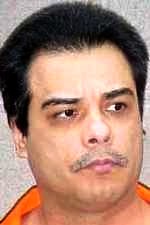
Forensic & Criminological Matrix
| Parameter | Forensic Detail |
|---|---|
| Forensic Heading / Aliases | None |
| Legal Identity | Ernest Valencia Gonzales |
| Confirmed Victims | 1 |
| Attributed / Indicted Victims | 1 |
| Active Timeline | February 20, 1990 |
| Jurisdiction / Area of Operations | Phoenix, Arizona |
| Criminological Classification | Felony Murderer |
| Forensic Modus Operandi | Residential burglary and lethal stabbing |
| Weapon / Mechanism of Death | Knife |
| Motive / Behavioral Dynamics | Pecuniary gain |
| Judicial Outcome | Death sentence (subsequently stayed/life imprisonment) |
1. Background and Psychopathy
Ernest Valencia Gonzales (born 1964) had a significant criminal record prior to the 1990 incident. He was on parole at the time of the murder, which significantly impacted his sentencing phase. His criminal behavior demonstrated a propensity for violence when his property crimes were interrupted.
2. Crime Spree
On February 20, 1990, Gonzales committed a series of burglaries in Phoenix. After being interrupted at the Daughtry residence, he moved to the Wagner townhouse. Upon encountering Darrel Wagner, he stabbed him seven times, resulting in fatal injuries to the heart and lung. Deborah Wagner was also stabbed twice while attempting to intervene, suffering life-threatening injuries.
3. Investigation and Arrest
Phoenix police identified Gonzales through eyewitness accounts and photographic lineups. Key evidence included items stolen from the victims and physical evidence recovered from his girlfriend's residence, provided by her daughter, Martha Trinidad.
4. Legal Proceedings and Outcome
Gonzales was convicted on six counts, including felony murder, burglary, and armed robbery. The trial, presided over by Judge J.D. Howe, resulted in a death sentence. The case reached the Arizona Supreme Court, which affirmed the convictions and the death sentence in 1995, though the execution was later stayed.
5. Forensic Analysis and Conclusion
The case is notable for its legal analysis regarding the 'felony murder' rule, the admissibility of statements made during medical treatment, and the application of victim impact evidence in capital sentencing.