Forensic & Criminological Matrix
| Parameter | Forensic Detail |
|---|---|
| Forensic Heading / Aliases | None |
| Legal Identity | Craig Godineaux |
| Confirmed Victims | 5 |
| Attributed / Indicted Victims | 5 |
| Active Timeline | May 24, 2000 |
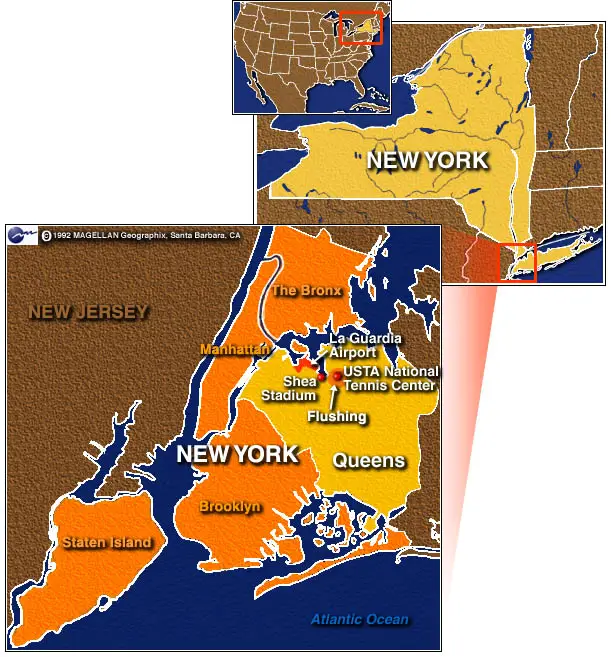
| Jurisdiction / Area of Operations | Flushing, Queens, New York |
| Criminological Classification | Mass Murderer |
| Forensic Modus Operandi | Armed robbery, detention, and execution in a walk-in freezer |
| Weapon / Mechanism of Death | Firearm (handgun) |
| Motive / Behavioral Dynamics | Robbery / Homicide |
| Judicial Outcome | Life imprisonment without parole |
1. Background and Profile
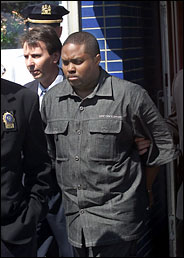
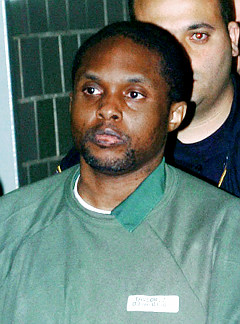
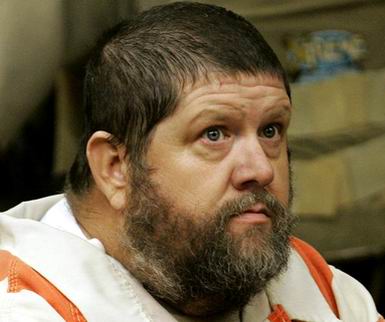
Craig Godineaux, an individual with mild intellectual disability, was a key participant in the infamous Wendy's Massacre. His cognitive status became a focal point during legal proceedings, though his role in the systematic execution of the victims was established through his own guilty plea.
2. Crime Spree
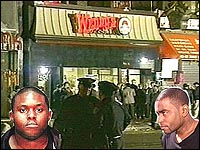
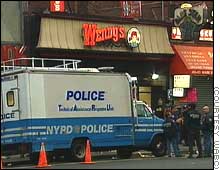
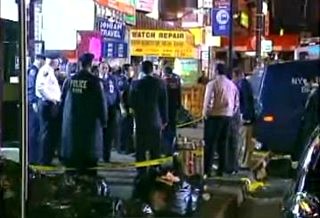
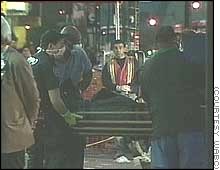
On May 24, 2000, Godineaux and John B. Taylor entered a Wendy's restaurant in Flushing. They forced seven employees into the basement walk-in freezer, bound and gagged them, and then executed five of them. Two victims, Patrick Castro and Jaquione Johnson, survived by playing dead.
3. Investigation and Arrest
Law enforcement relied heavily on the testimony of survivor Patrick Castro, who provided a harrowing account of the events inside the freezer. Forensic evidence and the recovery of the stolen $2,400 linked the suspects to the crime scene.
4. Legal Proceedings and Outcome
Godineaux pleaded guilty in February 2001. Due to his intellectual disability, he was sentenced to life in prison without the possibility of parole, avoiding the death penalty that his accomplice, John B. Taylor, faced.
5. Psychiatric Evaluation and Conclusion
The Wendy's Massacre remains one of the most violent crimes in New York history. Godineaux's case highlights the complexities of the justice system when dealing with defendants of limited cognitive capacity in capital cases.