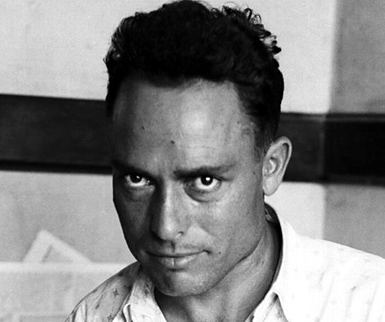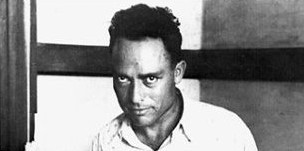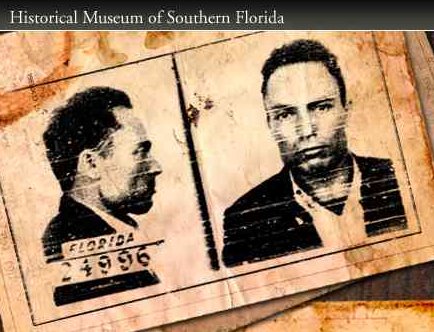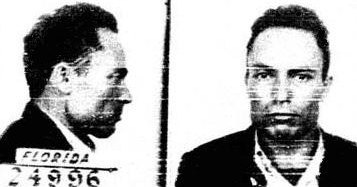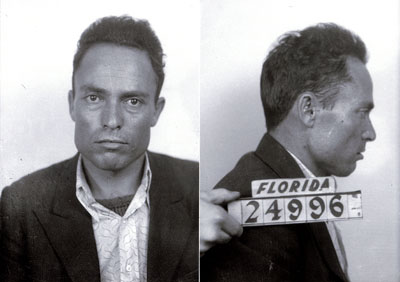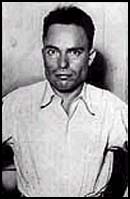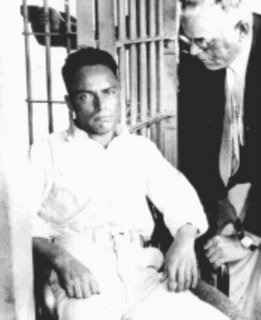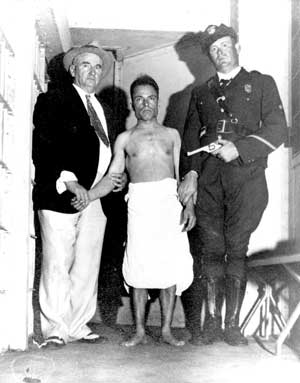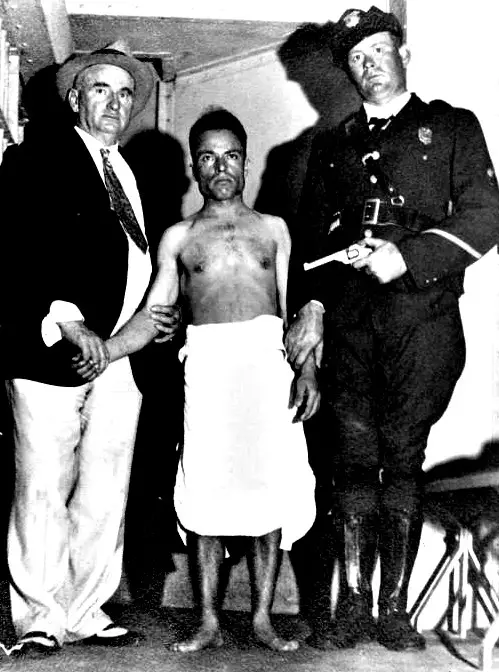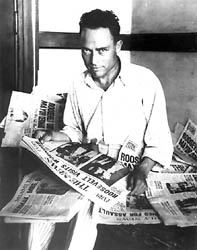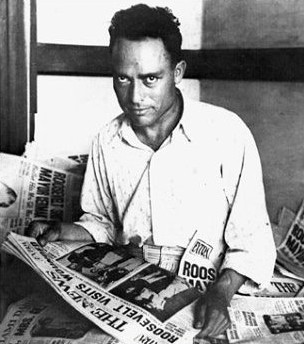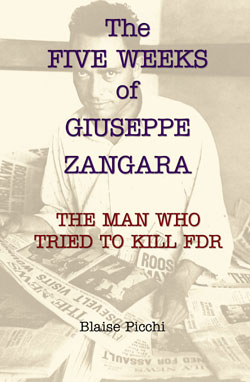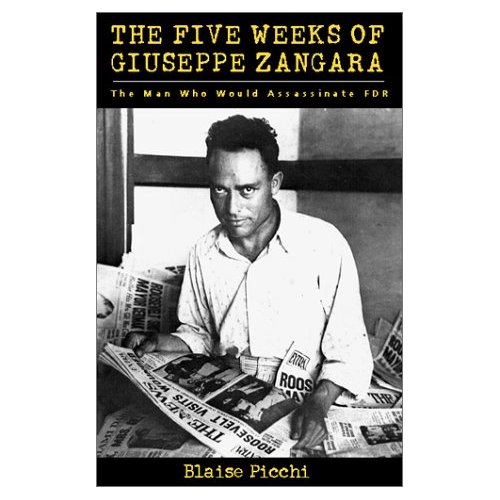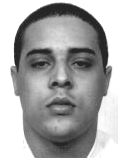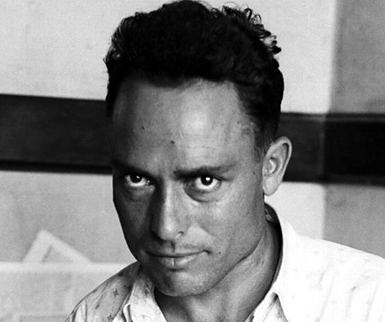




Forensic Profile Datasheet: Giuseppe Zangara ("The Bayfront Park Assassin")
| Forensic Parameter | Evaluation Details |
|---|---|
| Full Legal Name | Giuseppe Zangara |
| Historical Landmark | Attempted assassination of US President-elect Franklin D. Roosevelt (Miami, 1933) |
| Date & Place of Birth | September 7, 1900 — Ferruzzano, Calabria, Kingdom of Italy |
| Date & Place of Execution | March 20, 1933 (aged 32) — Florida State Prison (Old Sparky), Raiford, Florida |
| Method of Execution | Electrocution via electric chair |
| Legal Velocity Record | Executed exactly 33 days after the crime (the swiftest capital process in modern US history) |
| Criminological Classification | Lone-wolf political assassin / Frustrated presidential magnicide |
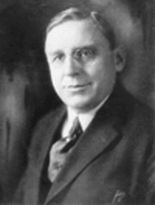
| Fatal Victim | Anton Cermak (aged 59; legendary Mayor of Chicago) |
| Wounded Bystanders | 4 spectators struck by deflected rounds |
| Date & Scene of the Crime | February 15, 1933 — Bayfront Park Amphitheater, Miami, Florida |
| Weapon Deployed | United States Revolver Co. .32-caliber five-shot pocket revolver (purchased for $8 at a pawnshop) |
| Post-Mortem Medical Finding | Severe chronic fibrotic colitis and extensive abdominal adhesions validating chronic physical agony |
Calabrian Childhood, Immigration, and Chronic Physical Pain
Giuseppe Zangara was born in 1900 in the rugged Calabrian village of Ferruzzano, Italy. Forced into exhausting manual agrarian labor by an austere father at age six, Zangara was denied formal schooling and affection, developing severe, chronic burning abdominal pain that contemporary physicians could neither diagnose nor treat.
Following service in the Italian Army during the First World War, Zangara emigrated to the United States in 1923 with an uncle, settling in Paterson, New Jersey—a historical hub for militant Italian-American anarchist circles. Working as a skilled bricklayer, he achieved US citizenship in 1929.
However, his health deteriorated. Relentless visceral abdominal cramps crippled his capacity to maintain sustained employment. Zangara channeled his constant somatic agony into a fervent political hatred of heads of state, bankers, and capitalist authorities, fixating on the conviction that social inequalities exacerbated working-class suffering. In late 1932, he moved to Miami hoping Florida's warmth would soothe his gastrointestinal condition.
The Bayfront Park Shooting (February 15, 1933)
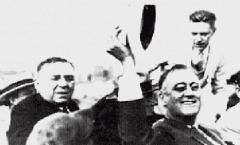
Reading in local newspapers that President-elect Franklin D. Roosevelt was scheduled to deliver an informal speech from an open touring convertible at Miami's Bayfront Park on the evening of February 15, 1933, prior to his inauguration in Washington, Zangara acquired an inexpensive .32-caliber revolver from a Miami pawnshop.
That evening, an audience exceeding 25,000 citizens crammed the outdoor bandshell. Hampered by his small stature (standing barely five feet tall), Zangara could not see past the front rows. He stood upon a rickety wooden folding chair within twenty-five feet of Roosevelt's open vehicle.
As Roosevelt concluded his brief address and lowered the microphone, Zangara drew his weapon and discharged all five rounds in rapid succession:
- Spectator Lillian Cross noticed the weapon and struck Zangara's arm with her purse, deflecting his aim.
- Roosevelt escaped untouched. However, the errant bullets struck five spectators, mortally wounding Chicago Mayor Anton Cermak in the upper abdomen as he stood conversing beside Roosevelt's car.
- Cermak collapsed, delivering his famous words to Roosevelt: "I'm glad it was me instead of you, Mr. President."
An enraged crowd tackled Zangara and began beating him violently before Miami police and Secret Service agents intervened.
Interrogation, Cermak's Demise, and Capital Indictment
Under formal interrogation by Dade County prosecutors, Zangara displayed utter indifference:
"I do not hate Mr. Roosevelt personally. I hate all presidents, no matter what nation, and I hate all capitalists. I have had a terrible stomach ache since childhood, and the rich are responsible for the misery of the world."
Initially convicted of four counts of attempted murder, Zangara was sentenced to 80 years' hard labor on February 20.
However, after nineteen days of hospitalization, Mayor Anton Cermak succumbed to peritonitis and abdominal gangrene on March 6, 1933. The state immediately re-indicted Zangara for first-degree capital murder.
Summary Justice and Electrocution
Refusing defense representation, Zangara pleaded guilty before the Dade Circuit Court, declaring: "I don't care about the electric chair. I am not afraid of death." The court pronounced the death penalty.
On March 20, 1933—merely thirty-three days after firing his weapon—Giuseppe Zangara was strapped into the electric chair at Raiford State Prison. His final words to executioners were defiant: "Push the button! Go ahead, push the button!"
An autopsy performed immediately after death revealed his descending colon was severely diseased and bound down with chronic fibrous adhesions, confirming the organic physical agony that catalyzed his act of violence.