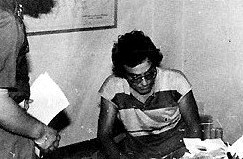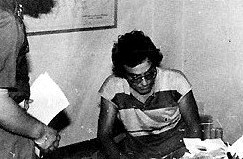
Forensic & Criminological Matrix
| Parameter | Forensic Detail |
|---|---|
| Forensic Heading / Aliases | The Monster of Turin |
| Legal Identity | Giancarlo Giudice |
| Confirmed Victims | 9 |
| Attributed / Indicted Victims | 9 |
| Active Timeline | 1983-1986 |
| Jurisdiction / Area of Operations | Turin, Italy |
| Criminological Classification | Serial Killer (Sexual Predator) |
| Forensic Modus Operandi | Torture, whipping, strangulation/firearm, electrical cable binding |
| Weapon / Mechanism of Death | 9mm handgun, electrical cables, fire |
| Motive / Behavioral Dynamics | Misogyny, hatred towards sex workers |
| Judicial Outcome | Life imprisonment (1987), released (2008) |
1. Background and Profile
Giancarlo Giudice (born 1952) was a truck driver in Turin, Italy. With no prior criminal record, he maintained a facade of a hardworking individual while harboring deep-seated misogynistic tendencies. His criminal career targeted the most vulnerable members of society, specifically prostitutes, whom he viewed as targets for his violent impulses.
2. Criminal Career and Modus Operandi
Giudice's killing spree lasted from 1983 to 1986. He systematically tortured, whipped, and murdered his victims. A signature element of his crimes was the use of electrical cables to bind his victims. He often disposed of bodies near the Po River or burned them inside vehicles. Notably, he murdered his own aunt, María Corde, during this period.
3. Investigation and Arrest
Police investigations were initially hampered by the lack of witnesses. However, the discovery of a 9mm handgun in his vehicle during a routine traffic stop on June 29, 1986, provided the forensic link needed to connect him to the murders. Ballistic analysis confirmed the weapon was used in the killing of Addolorata Benvenuto.
4. Legal Proceedings and Outcome
Following his arrest, Giudice provided a full confession, detailing the nine murders. He was convicted in 1987 and sentenced to life imprisonment. Despite the severity of his crimes, he was released from prison in 2008, a decision that remains a point of significant public and legal debate in Italy.