Forensic & Criminological Matrix
| Parameter | Forensic Detail |
|---|---|
| Forensic Heading / Aliases | null |
| Legal Identity | Chester Ellsworth Gillette |
| Confirmed Victims | 1 |
| Attributed / Indicted Victims | 1 |
| Active Timeline | 1906 |
| Jurisdiction / Area of Operations | Big Moose Lake, New York |
| Criminological Classification | Convenience-based homicide |
| Forensic Modus Operandi | Blunt force trauma with tennis racket |
| Weapon / Mechanism of Death | Tennis racket / Drowning |
| Motive / Behavioral Dynamics | Pregnancy elimination / Social status preservation |
| Judicial Outcome | Death penalty by electric chair |
1. Background and Profile
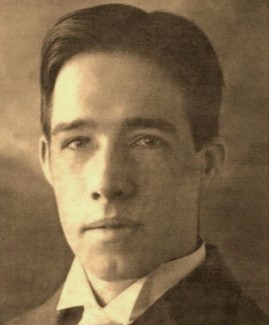
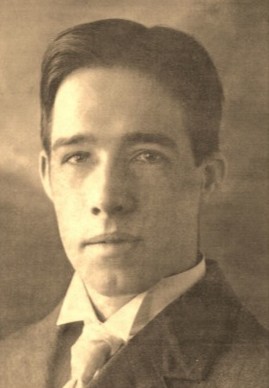
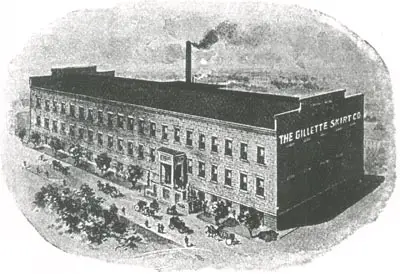
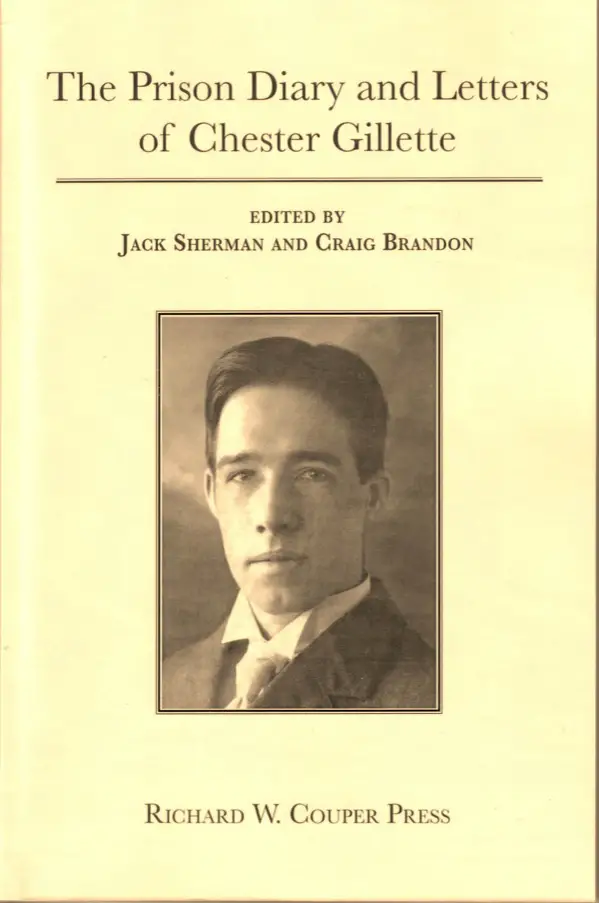
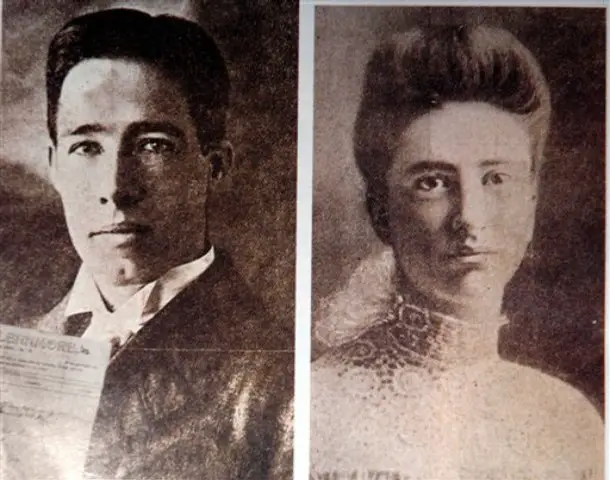
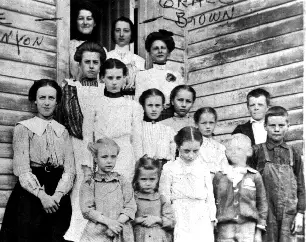
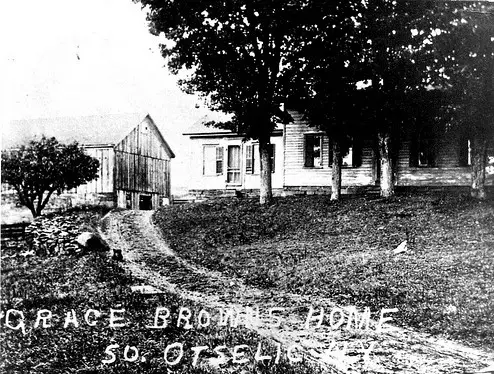
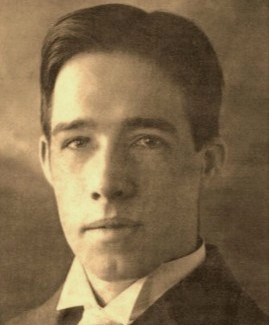
Born in Montana in 1883, Chester Ellsworth Gillette was raised in a religious family associated with the Salvation Army. His upbringing was transient, but he eventually sought to climb the social ladder. While working at his uncle's skirt factory in Cortland, New York, he began an affair with Grace Brown.
2. Crime Spree
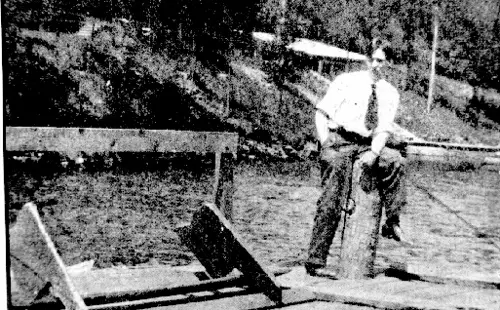
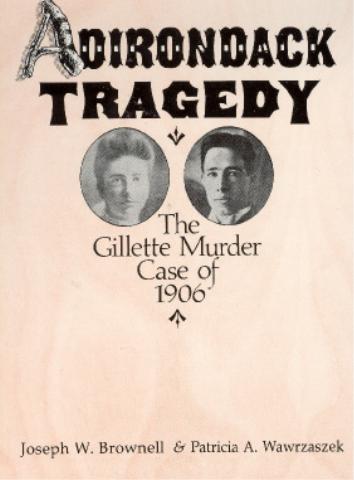
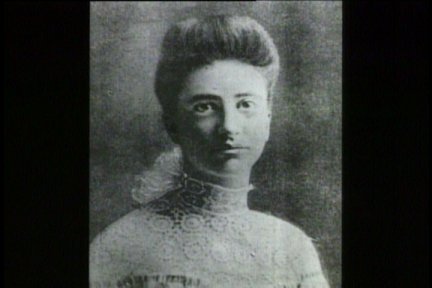
When Grace Brown became pregnant in 1906, she pressured Gillette to marry her. Fearing the impact on his social standing, Gillette orchestrated a trip to the Adirondacks. On July 11, 1906, at Big Moose Lake, he struck Brown with a tennis racket, rendering her unconscious, and left her to drown in the lake.
3. Investigation and Arrest
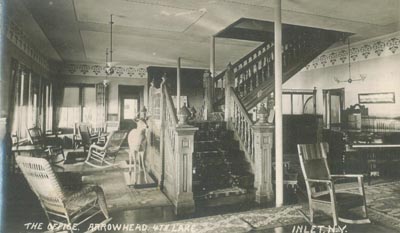
Authorities quickly identified Gillette as the primary suspect. The discovery of the tennis racket, which he had attempted to hide, and the incriminating correspondence between him and Brown, provided the prosecution with a clear motive. He was arrested in Inlet shortly after the incident.
4. Legal Proceedings and Outcome
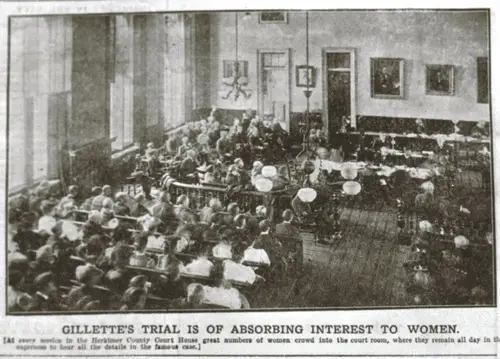
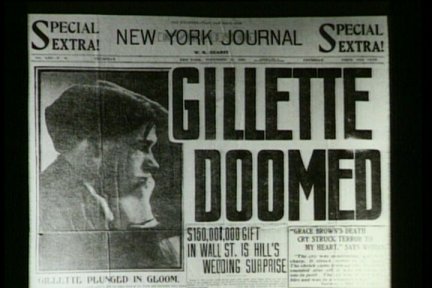
The trial was a sensation, heavily influenced by the public reading of Brown's letters. Despite his claims of suicide, the forensic evidence regarding the injuries to Brown's head led to a conviction for first-degree murder. Gillette was executed in the electric chair at Auburn Prison on March 30, 1908.