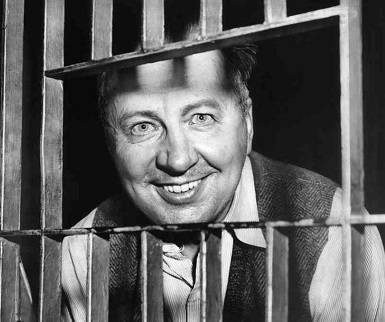



Forensic & Criminological Matrix
| Parameter | Forensic Detail |
|---|---|
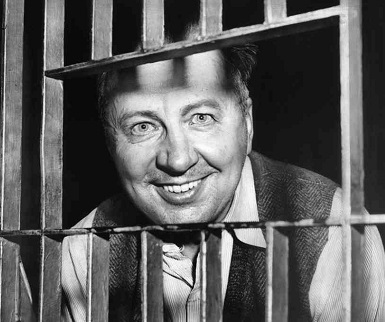
| Forensic Heading / Aliases | The Mad Bomber |
| Legal Identity | George Peter Metesky |
| Confirmed Victims | 0 |
| Attributed / Indicted Victims | 15 injured |
| Active Timeline | 1940 - 1956 |
| Jurisdiction / Area of Operations | New York, USA |
| Criminological Classification | Terrorist / Workplace Avenger |
| Forensic Modus Operandi | Placement of low-yield explosive devices in public areas |
| Weapon / Mechanism of Death | Homemade pipe bombs with clockwork timers |
| Motive / Behavioral Dynamics | Paranoid personality disorder / Workplace revenge |
| Judicial Outcome | Declared insane, psychiatric confinement until 1973 |
1. Background and Profile
George Peter Metesky was born on November 2, 1903. A skilled electrician, he was employed by Consolidated Edison until a 1931 workplace accident involving a boiler explosion left him with chronic health issues, including tuberculosis. His subsequent termination without compensation triggered a decades-long vendetta. He sent approximately 900 letters to officials and newspapers, which were largely ignored, fueling his descent into paranoid resentment.
2. Criminal Career and Modus Operandi
Between 1940 and 1956, Metesky planted 33 explosive devices across New York City landmarks, including Grand Central Terminal and the Radio City Music Hall. His goal was to force public attention onto his grievance. After a hiatus during World War II, he resumed his campaign in 1951, increasing the sophistication of his devices. While he caused no fatalities, 15 individuals were injured during his spree.
3. Investigation and Arrest
The NYPD, led by Inspector Finney, struggled to identify the perpetrator until they consulted forensic psychiatrist Dr. James Brussel. Brussel’s groundbreaking profile correctly identified the suspect as a paranoid, meticulous, middle-aged bachelor of Eastern European descent. This profile led ConEdison employee Alice Kelly to identify Metesky in company records.
4. Legal Proceedings and Outcome
Metesky was arrested on January 21, 1957, at his home in Waterbury, Connecticut. He was cooperative and polite, openly admitting to his actions as a means to gain publicity for his case. Due to his mental state, he was found unfit to stand trial.
5. Psychiatric Evaluation and Final Years
Diagnosed with paranoid schizophrenia, Metesky was committed to the Matteawan State Hospital. He remained in psychiatric custody until his release in 1973. He lived the remainder of his life in obscurity, passing away on May 23, 1994, at the age of 90.