Forensic & Criminological Matrix
| Parameter | Forensic Detail |
|---|---|
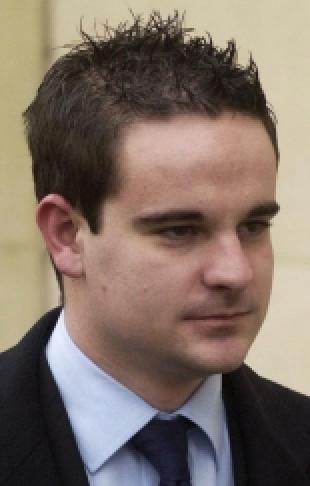
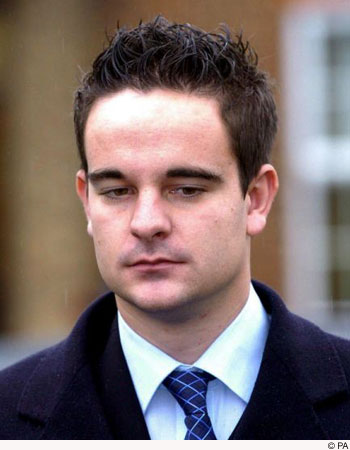
| Forensic Heading / Aliases | Benjamin Geen |
| Legal Identity | Benjamin Geen |
| Confirmed Victims | 2 |
| Attributed / Indicted Victims | 17 |
| Active Timeline | 2003 - 2004 |
| Jurisdiction / Area of Operations | Horton General Hospital, Banbury, Oxfordshire |
| Criminological Classification | Serial Killer (Angel of Death) |
| Forensic Modus Operandi | Administration of muscle relaxants (vecuronium/atracurium) |
| Weapon / Mechanism of Death | Intravenous injection of paralytic drugs |
| Motive / Behavioral Dynamics | Adrenaline seeking / Gratification from resuscitation |
| Judicial Outcome | Life imprisonment (minimum 30-year tariff) |
1. Background and Profile
Benjamin Geen was a registered nurse employed at the Horton General Hospital in Banbury. His actions represent a classic case of a medical professional abusing their position of trust to inflict harm, a phenomenon often categorized as an 'Angel of Death' serial killer.
2. Criminal Career and Modus Operandi
Between December 2003 and February 2004, at least 17 patients suffered unexplained respiratory arrests. Geen systematically administered muscle relaxants to patients, inducing paralysis and respiratory failure. He would then intervene to 'save' them, deriving psychological satisfaction from the emergency response process.
3. Investigation and Arrest
Internal hospital investigations identified a pattern linking Geen to every incident. He was arrested on February 9, 2004, after a syringe containing a lethal dose of a muscle relaxant was discovered in his possession.
4. Legal Proceedings and Outcome
During the trial at Oxford Crown Court, the prosecution argued that Geen purposely caused patients to stop breathing to enjoy the thrill of resuscitation. In April 2006, he was found guilty of two counts of murder and 15 counts of grievous bodily harm. The judge recommended a minimum 30-year sentence.
5. Psychiatric Evaluation and Status
Geen's actions were driven by a pathological need for stimulation and control. He remains incarcerated, with his earliest potential parole date estimated for 2035.