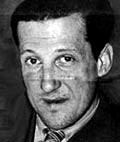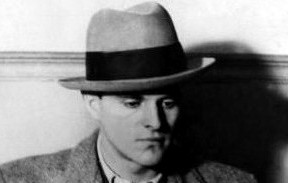
Forensic & Criminological Matrix
| Parameter | Forensic Detail |
|---|---|
| Forensic Heading / Aliases | N/A |
| Legal Identity | Georges Gauchet |
| Confirmed Victims | 1 |
| Attributed / Indicted Victims | 1 |
| Active Timeline | 1930 |
| Jurisdiction / Area of Operations | Paris, France |
| Criminological Classification | Profit-driven homicide / Addict |
| Forensic Modus Operandi | Violent assault with blunt and firearm weapons |
| Weapon / Mechanism of Death | Hammer and revolver |
| Motive / Behavioral Dynamics | Drug addiction and financial ruin |
| Judicial Outcome | Execution by guillotine |
1. Background and Profile
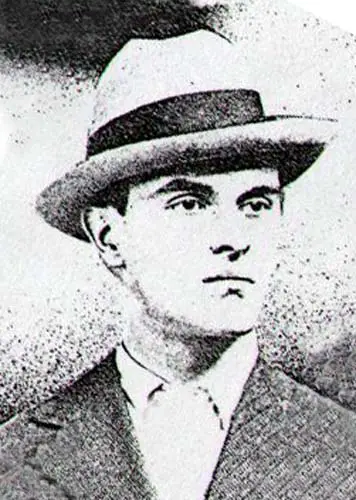
Georges Gauchet (born 1906) was the son of a French millionaire. Despite his elite status, he became a fixture in the Montmartre cabaret scene. His descent into criminality was fueled by severe drug addiction and the rapid dissipation of his family fortune, which eventually led to his social ostracization and poverty.
2. Criminal Career and Modus Operandi
On November 19, 1930, Gauchet targeted a jewelry store on Avenue Mozart in Paris. He attacked the jeweler, Dannenhoffer, using a hammer to incapacitate him before finishing the murder with a revolver. The crime was a direct consequence of his inability to secure further funds from his family.
3. Investigation and Arrest
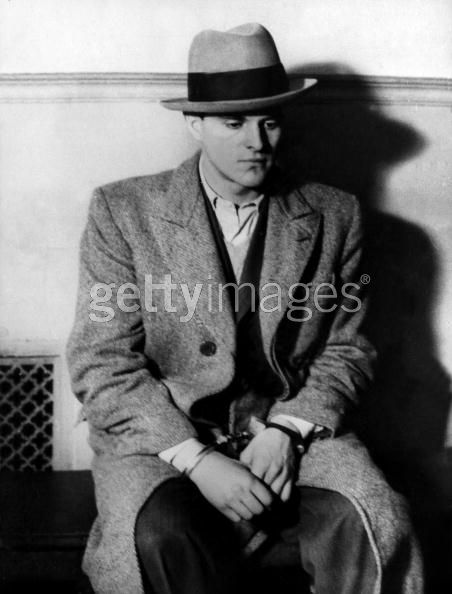
Law enforcement quickly identified Gauchet as the perpetrator. His confession was immediate, and he displayed no remorse, viewing his actions as the inevitable conclusion of his downward spiral. The investigation focused on his drug-induced state and his financial desperation.
4. Legal Proceedings and Outcome
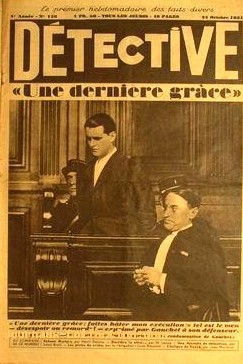
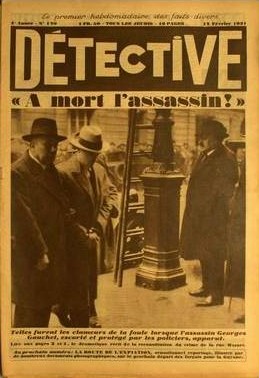
During his trial, Gauchet famously stated, "The verdict is just. Guillotine me as soon as possible." He refused to seek executive clemency. On December 26, 1931, he was executed by guillotine outside the Sante Prison in Paris. His death was notable as the first execution of a member of the French high society since the French Revolution.