



Forensic & Criminological Matrix
| Parameter | Forensic Detail |
|---|---|
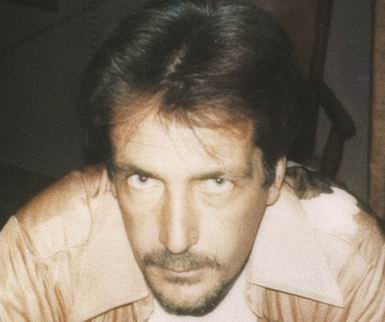
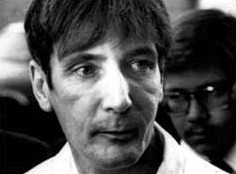
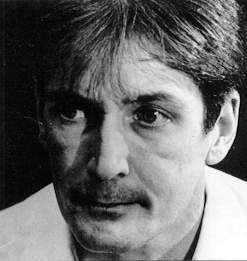
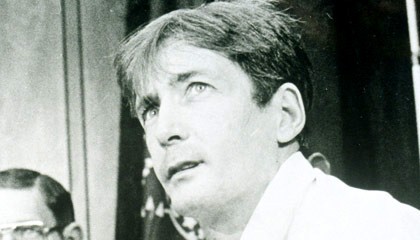
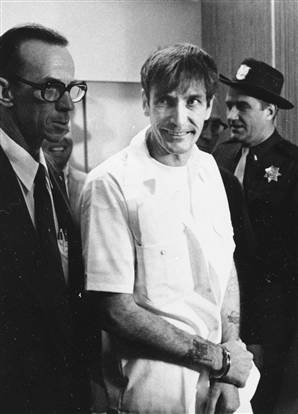
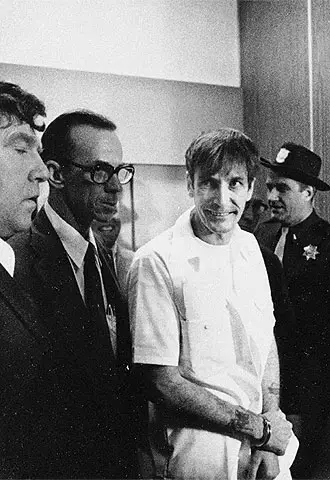
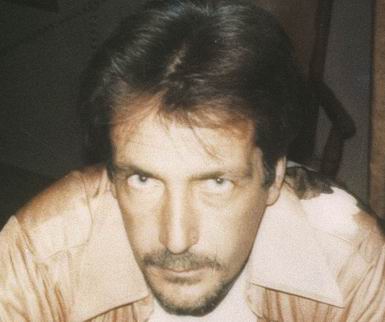
| Full Legal Name | Gary Mark Gilmore (born Faye Robert Coffman) |
| Media Monikers | The Executioner's Subject, The Inmate Who Demanded to Die |
| Nationality | American |
| Date of Birth | December 4, 1940, McCamey, Texas, United States |
| Date of Death | January 17, 1977 (aged 36, executed by firing squad at Utah State Prison, Draper) |
| Penal Status | Sentenced to death in October 1976; executed after refusing all judicial appeals and stays |
| Confirmed Murder Victims | 2 robbery homicides: Max Jensen (26, service station clerk) and Bennie Bushnell (25, motel night clerk) |
| Crime Timeline | July 19 & 20, 1976 (consecutive nights in Utah County) |
| Jurisdiction | Orem and Provo, Utah County, Utah, United States |
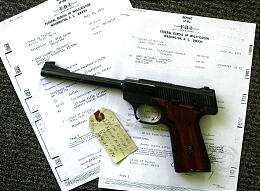
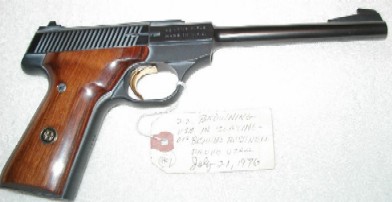
| Lethal Weaponry | Browning .22 Long Rifle caliber semi-automatic handgun |
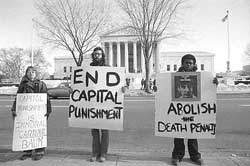
| Historical & Legal Significance | First individual executed in the United States following the Supreme Court's Gregg v. Georgia (1976) decision ending a nearly 10-year capital punishment moratorium; subject of Norman Mailer's Pulitzer Prize-winning The Executioner's Song |
| Primary Criminal Motive | Acute antisocial decompensation, retaliatory rage over romantic abandonment, and predatory armed robbery |
1. Criminological Trajectory and Early Imprisonment
Gary Mark Gilmore was raised in an itinerant family afflicted by domestic violence and chronic paternal alcoholism. Displaying severe conduct disorder from early childhood, Gilmore dropped out of school and engaged in property theft and car burglaries before adolescence. By age fourteen, he was leading juvenile auto-theft rings in Oregon.
Over the next two decades, Gilmore spent roughly 75% of his adult years incarcerated in juvenile detention facilities, reformatories, and high-security state and federal penitentiaries. Despite psychometric assessments registering a superior IQ above 130 and genuine artistic talent, correctional evaluations consistently classified him as a sociopathic personality characterized by affective instability, chronic impulse-control failure, and explosive rage.
Paroled to Utah in April 1976 under the sponsorship of his cousin Brenda Nicol, Gilmore was given opportunities for reintegration, yet quickly devolved into substance abuse and volatile interpersonal conflicts.
2. The July 1976 Murders
In Provo, Gilmore entered a passionate and tumultuous relationship with nineteen-year-old Nicole Barrett. When Barrett abruptly ended the relationship to escape his violent outbursts and possessiveness, Gilmore spiraled into homicidal rage:
- The Murder of Max Jensen (July 19, 1976): Arming himself with a borrowed .22 pistol, Gilmore robbed the Sinclair service station in Orem. He compelled the lone attendant, 26-year-old college student Max Jensen, to empty the cash register and coins, then ordered him to lie prone on the restroom floor. Gilmore placed the muzzle against Jensen's head and discharged two shots into the base of his skull, killing him instantly.
- The Murder of Bennie Bushnell (July 20, 1976): The following night, Gilmore entered the City Center Motel in Provo. He forced night manager Bennie Bushnell to hand over the cash and lie face down on the floor. Despite Bushnell's total compliance, Gilmore executed him with a point-blank gunshot to the temple. As he hurriedly holstered the weapon, Gilmore inadvertently shot himself in the left hand, leaving blood trails across the scene and his vehicle.
- Apprehension: Noticing his bleeding hand and erratic demeanor, his cousin Brenda alerted authorities. Gilmore was arrested without incident on July 21, 1976.
3. Trial, Death Sentence, and the Demand for Execution
Gilmore's trial took place in October 1976 in Utah County. Forensic ballistics, projectile matching, and blood serology overwhelmingly substantiated his guilt. On October 7, 1976, the jury convicted Gilmore of first-degree capital murder and sentenced him to death:
- Under Utah statutory law, the condemned was allowed to select the method of execution: hanging or firing squad. Gilmore chose the firing squad.
- In an unprecedented public maneuver, Gilmore waived all appellate rights and vociferously demanded immediate execution, castigating the legal establishment for procedural delays.
- When the ACLU and his estranged mother intervened to obtain temporary judicial stays, Gilmore bitterly opposed their motions and engaged in a dual suicide pact with his girlfriend Nicole Barrett via smuggled phenobarbital doses, surviving after emergency hospital treatment.
4. Execution by Firing Squad and Cultural Legacy
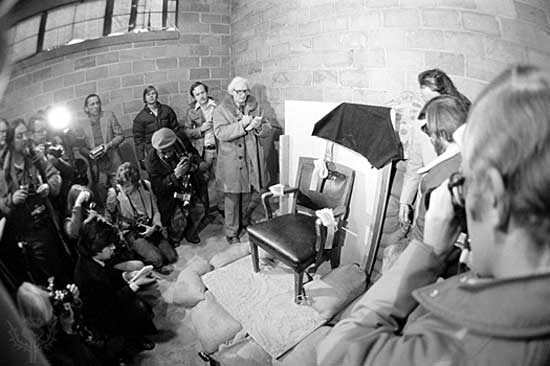
On the morning of January 17, 1977, in an abandoned cannery building within Utah State Prison in Draper:
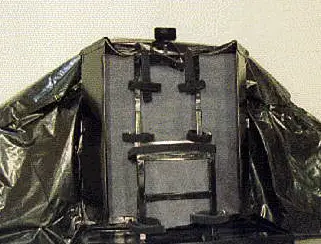
- Gilmore was strapped into a wooden chair set before a mattress wall covered with green canvas and sandbags. A target pinned to his shirt marked his heart.
- Asked for any final remarks, he uttered his famous words: "Let's do it" (a phrase later adapted by advertising executive Dan Wieden into Nike's "Just Do It" slogan).
- Behind an enclosure with firing ports, five marksmen armed with .30-30 Winchester rifles discharged their volley (one rifle contained a blank round). Four bullets pierced Gilmore's heart, killing him instantaneously.
- In accordance with his wishes, Gilmore's corneas were harvested within minutes for ophthalmic transplantation.
Gary Gilmore's execution officially resumed the active practice of capital punishment in modern America and became the narrative core of Norman Mailer's landmark book The Executioner's Song.