Forensic & Criminological Matrix
| Parameter | Forensic Detail |
|---|---|
| Forensic Heading / Aliases | null |
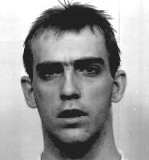
| Legal Identity | Johnny Frank Garrett |
| Confirmed Victims | 1 |
| Attributed / Indicted Victims | 1 |
| Active Timeline | 1981 |
| Jurisdiction / Area of Operations | Amarillo, Texas, USA |
| Criminological Classification | Sexual Homicide / Opportunistic Offender |
| Forensic Modus Operandi | Home invasion, sexual assault, and manual strangulation |
| Weapon / Mechanism of Death | Manual strangulation and kitchen knives |
| Motive / Behavioral Dynamics | Robbery and sexual assault |
| Judicial Outcome | Death sentence, executed February 11, 1992 |
1. Background and Profile
Johnny Frank Garrett (1963–1992) had a history of petty crimes and was described as having developmental delays. His childhood was reportedly marred by physical and sexual abuse, which defense attorneys later argued contributed to his psychological state.
2. Crime Spree
On Halloween night, 1981, Garrett entered the St. Francis Convent in Amarillo. Sister Tadea Benz, a 76-year-old nun, was raped and manually strangled in her bedroom. The crime scene contained multiple knives, and forensic evidence linked Garrett to the location.
3. Investigation and Arrest
Police investigation relied on fingerprint evidence found on the victim's bed frame and a knife. Testimony from a jailhouse informant, Lonnie Watley, claimed Garrett confessed to the murder. The case became highly controversial due to the actions of pathologist Ralph Erdmann, who destroyed semen samples, preventing further DNA testing at the time.
4. Legal Proceedings and Outcome
Garrett was convicted and sentenced to death. Despite a 30-day reprieve granted by Governor Ann Richards following an appeal from Pope John Paul II, the Texas Board of Pardons and Paroles refused to commute his sentence. He was executed on February 11, 1992.
5. Forensic Review and Legacy
Post-execution, attorney Jesse Quackenbush sought to reopen the case, citing potential links to Leoncio Perez Rueda, who was later charged with a similar murder. The case remains a focal point in discussions regarding the reliability of forensic pathology and the death penalty in Texas.