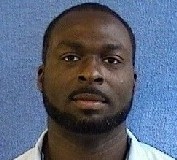




Forensic & Criminological Matrix
| Parameter | Forensic Detail |
|---|---|
| Forensic Heading / Aliases | Ceno |
| Legal Identity | Clarence Gardner |
| Confirmed Victims | 1 |
| Attributed / Indicted Victims | 1 |
| Active Timeline | 1993 |
| Jurisdiction / Area of Operations | Chicago, Illinois |
| Criminological Classification | Gang-related murderer (Accountability theory) |
| Forensic Modus Operandi | Instigation of armed violence and execution order |
| Weapon / Mechanism of Death | Firearm (.22 or .25 automatic) |
| Motive / Behavioral Dynamics | Gang territorial control (Gangster Disciples) |
| Judicial Outcome | 35-year prison sentence for first-degree murder |
1. Background and Profile
Clarence Gardner, born in 1976, was a member of the Gangster Disciples street gang in Chicago. His criminal profile is rooted in the urban violence of the early 1990s, where gang affiliation dictated power dynamics in the city's South Side, specifically near Calumet High School.
2. Crime Spree
On October 23, 1993, Gardner was involved in a violent confrontation with members of the Calumet High School football team. Following verbal and physical altercations, Gardner, acting as a leader on the street, ordered his accomplices to shoot Joseph Waites, the team's student manager. Gardner admitted to shouting "bust him" moments before Richard Taylor fired the fatal shots.
3. Investigation and Arrest
The investigation focused on the theory of accountability. Eyewitnesses, including the victim's brother, Michael Waites, confirmed that Gardner instigated the violence, misidentifying the students as rival gang members to justify the assault. Police evidence placed Gardner at the center of the decision-making process during the brawl.
4. Legal Proceedings and Outcome
Gardner was tried in the Circuit Court of Cook County. The defense argued that Gardner was a subordinate and that his words were an impulsive reaction. However, the jury convicted him of first-degree murder, sentencing him to 35 years in prison. Subsequent appeals, including a habeas corpus petition to the Seventh Circuit, were denied.
5. Psychiatric Evaluation and Conclusion
No clinical psychiatric pathologies were documented; his behavior was attributed to the socialization dynamics within criminal gangs. He remains incarcerated within the Illinois prison system.