Forensic & Criminological Matrix
| Parameter | Forensic Detail |
|---|---|
| Forensic Heading / Aliases | None |
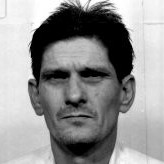
| Legal Identity | Billy Conn Gardner |
| Confirmed Victims | 1 |
| Attributed / Indicted Victims | 1 |
| Active Timeline | 1983 |
| Jurisdiction / Area of Operations | Dallas, Texas |
| Criminological Classification | Career Criminal / Murderer |
| Forensic Modus Operandi | Armed robbery with .357-caliber firearm |
| Weapon / Mechanism of Death | .357-caliber pistol |
| Motive / Behavioral Dynamics | Robbery / Financial gain |
| Judicial Outcome | Executed by lethal injection |
1. Background and Profile
Billy Conn Gardner (1943–1995) was a career criminal with a long history of felony convictions, including larceny, burglary, and assault. His life was characterized by early exposure to narcotics and a cycle of incarceration. At the time of his arrest for the murder of Thelma Row, he was on parole for previous offenses.
2. Criminal Career and Modus Operandi
In 1983, Gardner was involved in a robbery at Lake Highlands High School in Dallas. The victim, 64-year-old cafeteria supervisor Thelma Row, was counting the day's receipts when she was confronted by an armed assailant. She was shot in the chest with a .357-caliber pistol and succumbed to her injuries 11 days later. The assailant escaped with $1,600.
3. Investigation and Arrest
The case against Gardner relied heavily on the testimony of an accomplice who claimed Gardner was the gunman. Throughout his years on death row, Gardner maintained his innocence. His defense attorney, Christine M. Wiseman, argued that witnesses had described a man with reddish hair and a goatee, features that did not match Gardner, and that his original trial counsel had provided ineffective assistance.
4. Legal Proceedings and Outcome
Gardner was convicted in 1983 and sentenced to death. Despite extensive appeals and the efforts of legal advocates who highlighted systemic issues in the Texas judicial process, his conviction was upheld. He was executed by lethal injection at the Huntsville unit on February 16, 1995. His final statement was one of forgiveness, while his family and legal team continued to protest his innocence until the end.