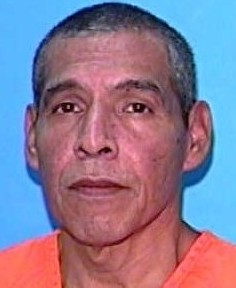
Forensic & Criminological Matrix
| Parameter | Forensic Detail |
|---|---|
| Forensic Heading / Aliases | None |
| Legal Identity | Henry Garcia |
| Confirmed Victims | 2 |
| Attributed / Indicted Victims | 2 |
| Active Timeline | Late 1980s |
| Jurisdiction / Area of Operations | Florida, United States |
| Criminological Classification | Multiple murderer |
| Forensic Modus Operandi | Intrusion and violent homicide of elderly women |
| Weapon / Mechanism of Death | Extreme physical violence |
| Motive / Behavioral Dynamics | Declared violent impulsivity |
| Judicial Outcome | Death sentence (subsequently reviewed) |
1. Background and Profile
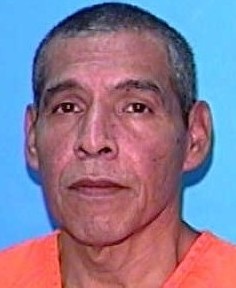
Henry Garcia (1948–2009) was an American criminal whose career ended with the brutal murder of two elderly sisters. His psychological profile, according to his own judicial statements, was marked by an alleged inability to control violent impulses, describing an internal "animal nature."
2. Criminal Career and Modus Operandi
Garcia targeted vulnerable victims. His crimes were characterized by extreme brutality. The case gained notoriety due to the complexity of the evidence presented, including testimonies regarding confessions and payroll records that were the subject of intense legal debate.
3. Investigation and Arrest
The investigation was hindered by the exclusion of payroll records that Garcia claimed were exculpatory. The prosecution used witness testimony, such as that of Rufina Perez, to link Garcia to confessions, sparking a long legal battle over the veracity of such evidence.
4. Legal Proceedings and Outcome
The case went through multiple levels of the justice system, including the Florida Supreme Court. In 1990, convictions were reversed due to procedural errors regarding the exclusion of evidence. After a retrial and resentencing, convictions were affirmed in 1994. Garcia filed multiple 3.850 motions until his death in 2009.
5. Psychiatric Assessment and Conclusion
While specific clinical diagnoses are not detailed in the file, Garcia's behavior and his statement regarding the "animal inside him" suggest severe psychopathy. He died in prison in 2009 after years of legal litigation.