



Forensic & Criminological Matrix
| Parameter | Forensic Detail |
|---|---|
| Forensic Heading / Aliases | The Cleveland Arsonist Mother |
| Legal Identity | Angela Garcia |
| Confirmed Victims | 2 (Nyeemah Garcia, 3; Nijah Evans, 2) |
| Active Timeline | November 20, 1999 |
| Jurisdiction / Area of Operations | Cleveland, Ohio, USA |
| Criminological Classification | Filicide / Arsonist for profit |
| Forensic Modus Operandi | Intentional residential arson for insurance fraud |
| Weapon / Mechanism of Death | Fire / Smoke inhalation |
| Motive / Behavioral Dynamics | Financial gain (Insurance fraud) |
| Judicial Outcome | Life imprisonment |
1. Background and Profile
Angela Garcia was a 22-year-old mother living in Cleveland, Ohio, facing significant financial distress in late 1999. Criminological analysis suggests a motive driven by economic desperation, leading to the calculated decision to endanger her household for an insurance settlement. Her behavior during the investigation—characterized by inconsistent narratives and a perceived lack of emotional distress—became a focal point for the prosecution's behavioral profile, suggesting a personality capable of prioritizing material gain over the lives of her offspring.
2. Criminal Career and Modus Operandi
On the night of November 20, 1999, a fire broke out at Garcia's rental home on Harvard Avenue. Garcia escaped through a window, claiming she was unable to reach her daughters, Nyeemah and Nijah, who were sleeping upstairs. The children died from carbon monoxide poisoning. The prosecution established that the fire was a deliberate act of arson intended to trigger a $40,000 renter's insurance policy that Garcia had recently secured and intentionally overvalued. The modus operandi involved the use of an accelerant or open flame in the lower level of the house while the victims were trapped on the upper floor.
3. Investigation and Arrest
Arson investigators initially struggled to determine the cause, but the case shifted to a criminal investigation after insurance adjusters flagged Garcia's claim. Despite the lack of physical evidence from the scene—which was demolished shortly after the fire—investigators utilized photographic evidence and circumstantial testimony. A critical component of the arrest and subsequent prosecution was the testimony of a jailhouse informant who claimed Garcia admitted to setting the fire for the insurance payout.
4. Legal Proceedings and Outcome
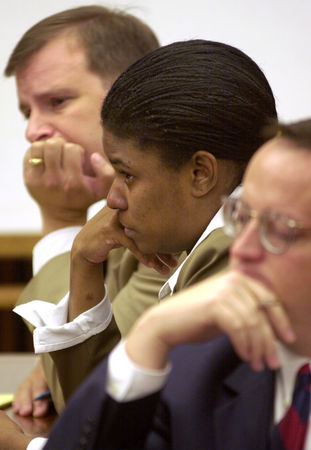
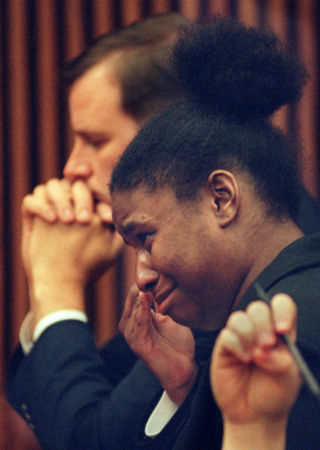
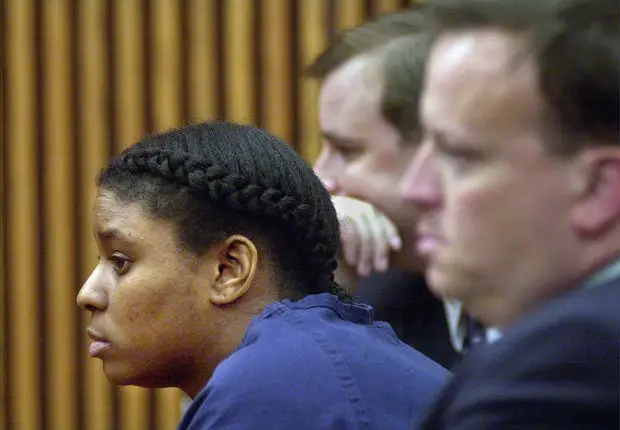
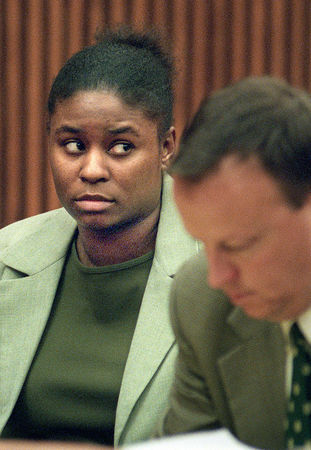
Garcia's conviction followed three separate trials; the first two resulted in hung juries. In 2001, the third jury found her guilty of aggravated murder and arson. She was sentenced to two consecutive life terms. In recent years, legal advocates have challenged the conviction, arguing that the arson science used in 2001 was outdated and that modern fire dynamics suggest the blaze could have been accidental. As of now, she remains incarcerated with a parole eligibility date set for 2049.