Forensic & Criminological Matrix
| Parameter | Forensic Detail |
|---|---|
| Forensic Heading / Aliases | None recorded |
| Legal Identity | Gerald Albert Gallego |
| Confirmed Victims | 2 |
| Attributed / Indicted Victims | 3 |
| Active Timeline | 1954 |
| Jurisdiction / Area of Operations | Mississippi, United States |
| Criminological Classification | Multiple murderer / Fugitive |
| Forensic Modus Operandi | Kidnapping, firearm homicide, and violent escape |
| Weapon / Mechanism of Death | Firearm (handgun) |
| Motive / Behavioral Dynamics | Evasion of justice and antisocial behavior |
| Judicial Outcome | Execution via gas chamber |
1. Background and Profile
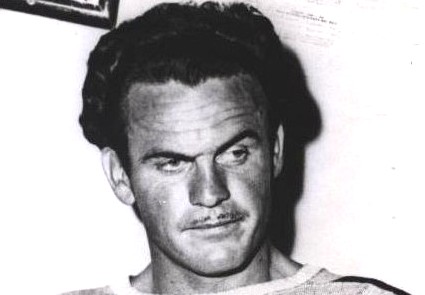
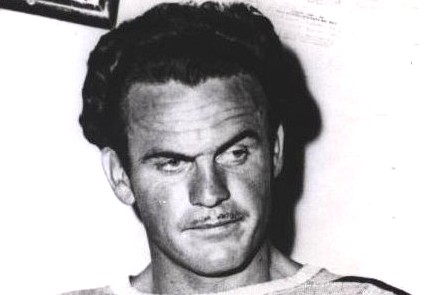
Gerald Albert Gallego (1928–1955) was an American criminal whose life was defined by a pattern of antisocial behavior and violent escalation. Fleeing California to avoid parole violation charges, he moved to the South, where his criminal activities culminated in capital offenses.
2. Crime Spree
In May 1954, Gallego was stopped by Ocean Springs police officer Ernest Floyd Beaugez. During the encounter, Gallego kidnapped the officer and subsequently murdered him with multiple gunshots. While incarcerated, he and another inmate overpowered and killed jailer J.C. Landrum, initiating a five-day manhunt.
3. Investigation and Arrest
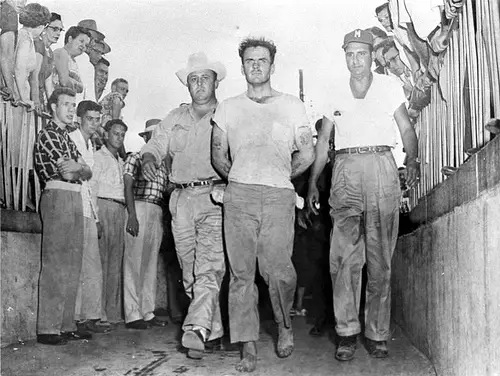
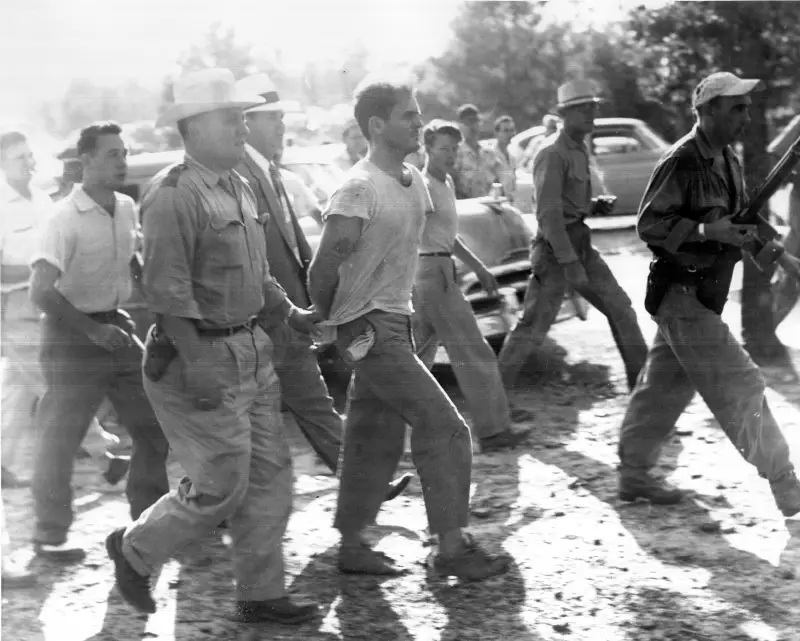
Following a five-day search, Gallego was recaptured. During interrogation, he confessed to the murder of a third individual in Los Angeles, though authorities were unable to verify the victim's identity, leaving the case as an unsolved attributed crime.
4. Legal Proceedings and Outcome
Sentenced to death in June 1954, Gallego's legal proceedings were swift. He was executed in the Mississippi gas chamber on March 3, 1955, marking the first use of this execution method in the state.