Forensic & Criminological Matrix
| Parameter | Forensic Detail |
|---|---|
| Forensic Heading / Aliases | N/A |
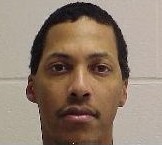
| Legal Identity | Lavell Frierson |
| Confirmed Victims | 1 |
| Attributed / Indicted Victims | 1 |
| Active Timeline | 1978 |
| Jurisdiction / Area of Operations | Los Angeles, California |
| Criminological Classification | Criminal Murderer |
| Forensic Modus Operandi | Kidnapping, robbery, and execution-style shooting |
| Weapon / Mechanism of Death | Firearm (handgun) |
| Motive / Behavioral Dynamics | Robbery and instrumental violence |
| Judicial Outcome | Life imprisonment without parole |
1. Background and Profile
Lavell Frierson (born 1957) is an American inmate notable for being one of California's longest-serving death row prisoners. His profile is marked by a history of childhood abuse, brain damage, and substance abuse, which were critical factors in his prolonged legal appeals regarding the adequacy of his defense counsel.
2. Criminal Career and Modus Operandi
In 1978, Frierson kidnapped and robbed Edgardo Kramer, a 29-year-old Peruvian airline employee, and a colleague near Los Angeles International Airport. The crime culminated in the execution-style shooting of Kramer. The modus operandi involved targeting individuals in the vicinity of the airport for robbery and subsequent lethal violence.
3. Investigation and Arrest
The investigation was handled by the Los Angeles Police Department. Frierson was apprehended following the collection of forensic evidence and witness testimony. The case gained significant attention due to the repeated reversals of his death sentence based on constitutional claims of ineffective assistance of counsel.
4. Legal Proceedings and Outcome
Frierson's case is a landmark in California legal history, having had his death sentence overturned three times. The 9th U.S. Circuit Court of Appeals ruled that his defense lawyers failed to present mitigating evidence regarding his mental health and childhood trauma. Ultimately, his sentence was commuted to life without the possibility of parole.
5. Psychiatric Evaluation and Conclusion
Late-stage forensic evaluations identified low IQ, emotional instability, and childhood brain injuries. Frierson remains incarcerated in the California state prison system, having survived the longest tenure on death row in the state's history.