Forensic & Criminological Matrix
| Parameter | Forensic Detail |
|---|---|
| Forensic Heading / Aliases | N/A |
| Legal Identity | Frederick George Abberline |
| Confirmed Victims | 0 |
| Attributed / Indicted Victims | 0 |
| Active Timeline | 1863-1892 (Police Service) |
| Jurisdiction / Area of Operations | London, England |
| Criminological Classification | Police Investigator (Chief Inspector) |
| Forensic Modus Operandi | Criminal investigation, surveillance, and evidence analysis |
| Weapon / Mechanism of Death | N/A |
| Motive / Behavioral Dynamics | Professional duty |
| Judicial Outcome | Retired with honors in 1892 |
1. Background and Psychopathy
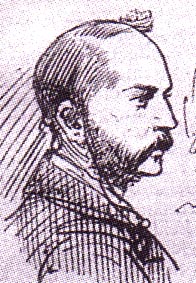
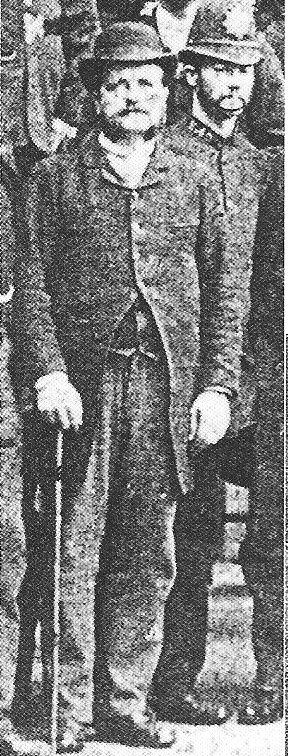
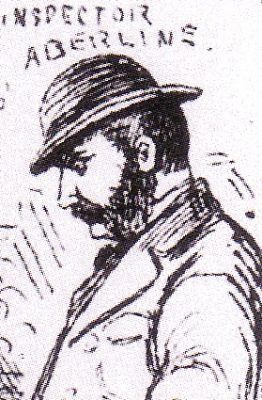
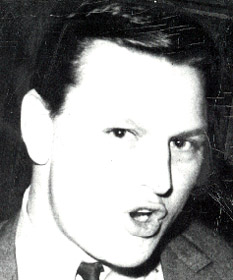
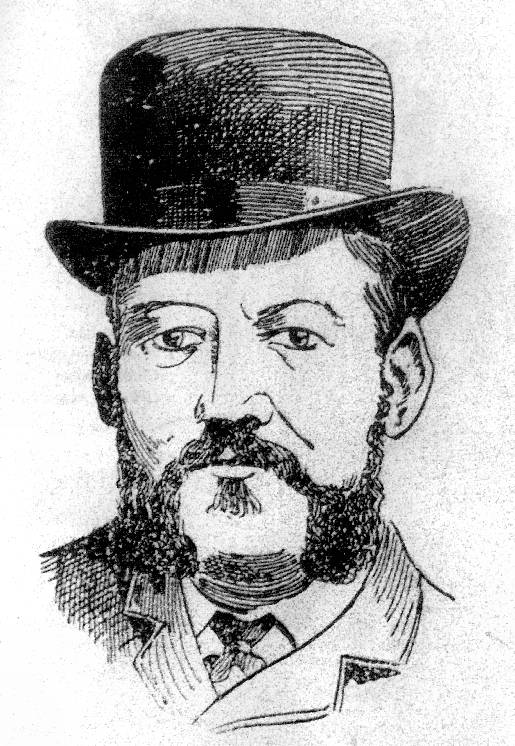
Frederick George Abberline was born in 1843. A former watchmaker, he joined the Metropolitan Police in 1863. He was known for his modest, honest, and reliable character, earning numerous commendations throughout his career.
2. Crime Spree
Abberline was the lead investigator in the Jack the Ripper case. He was not a perpetrator, but the primary law enforcement official tasked with identifying the killer. His work in Whitechapel remains a cornerstone of Victorian criminal history.
3. Police Investigation and Forensic Hunt
Abberline managed the investigation into the Whitechapel murders, coordinating detectives and analyzing evidence. Despite his dedication, the case remained unsolved. Modern theories attempting to link him to the crimes are widely dismissed by historians.
4. Judicial Outcome
Abberline retired in 1892 after a distinguished career. He was never charged with any crime, and his professional record is exemplary.
5. Forensic Conclusion
Abberline died in 1929. His historical legacy is that of a diligent officer who faced one of the most challenging criminal investigations of the 19th century.