Forensic & Criminological Matrix
| Parameter | Forensic Detail |
|---|---|
| Forensic Heading / Aliases | null |
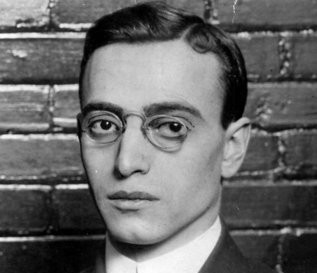
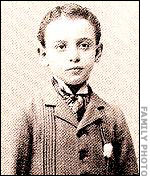
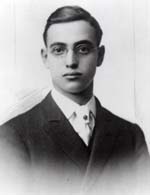
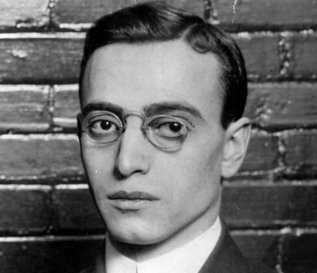
| Legal Identity | Leo Max Frank |
| Confirmed Victims | 0 |
| Attributed / Indicted Victims | 1 (Mary Phagan) |
| Active Timeline | 1913 |
| Jurisdiction / Area of Operations | Atlanta, Georgia, USA |
| Criminological Classification | Judicial error / Lynching victim |
| Forensic Modus Operandi | Prosecution based on coerced testimony and social prejudice |
| Weapon / Mechanism of Death | Strangulation (wrongfully attributed) |
| Motive / Behavioral Dynamics | Innocence (antisemitic bias) |
| Judicial Outcome | Death sentence, commuted to life, extrajudicial lynching, posthumous pardon |
1. Background and Psychopathy
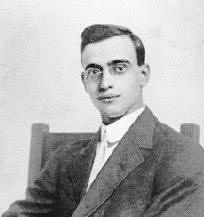
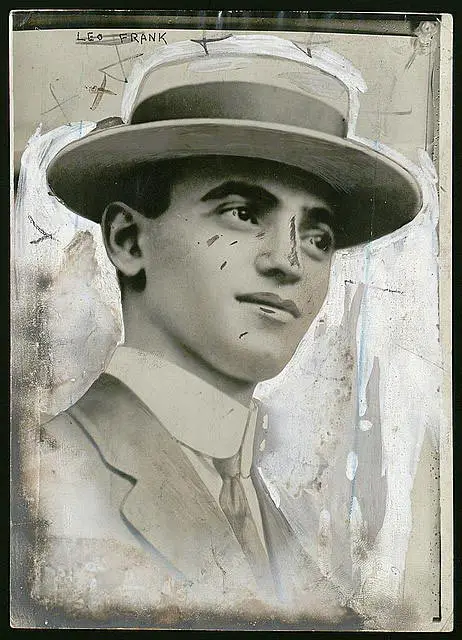
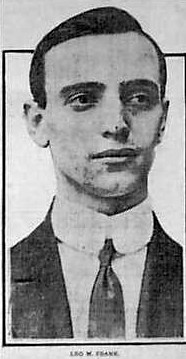
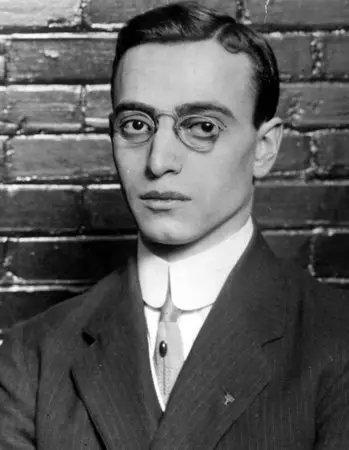
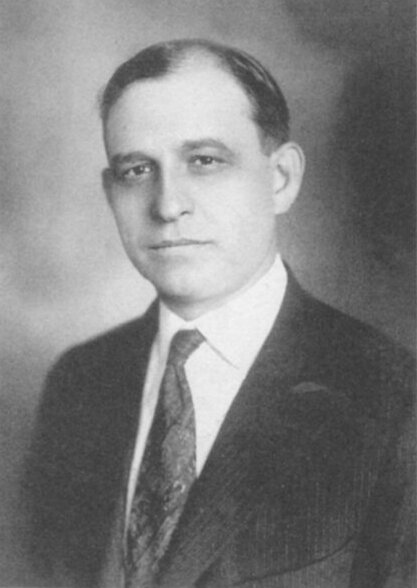
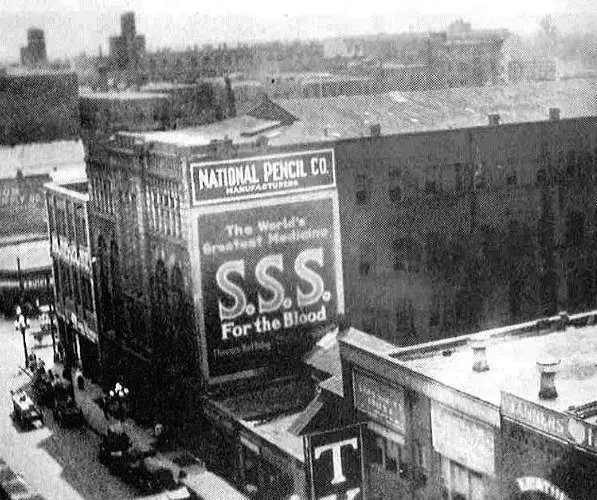
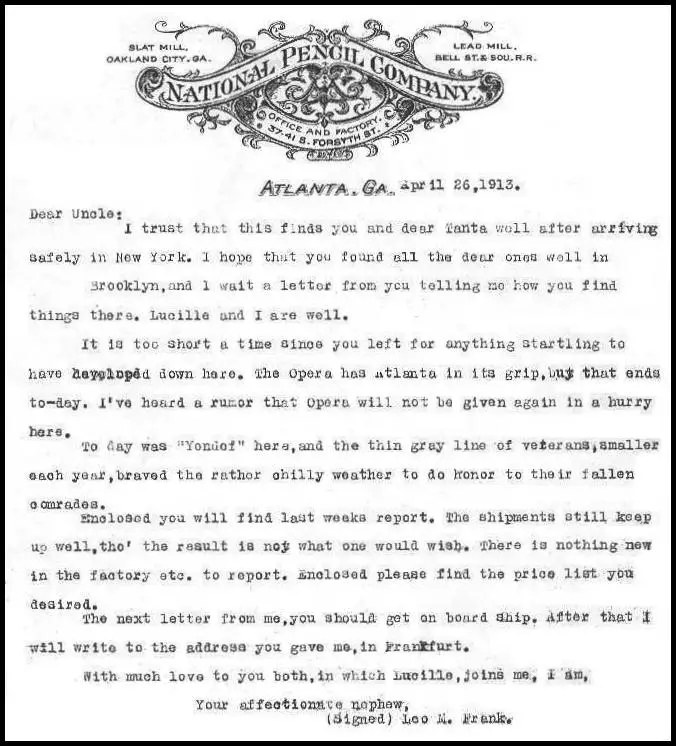
Leo Max Frank was a Cornell-educated engineer who became the superintendent of the National Pencil Factory in Atlanta. His background as a Northern industrialist made him a target for regional resentment.
2. Crime Spree
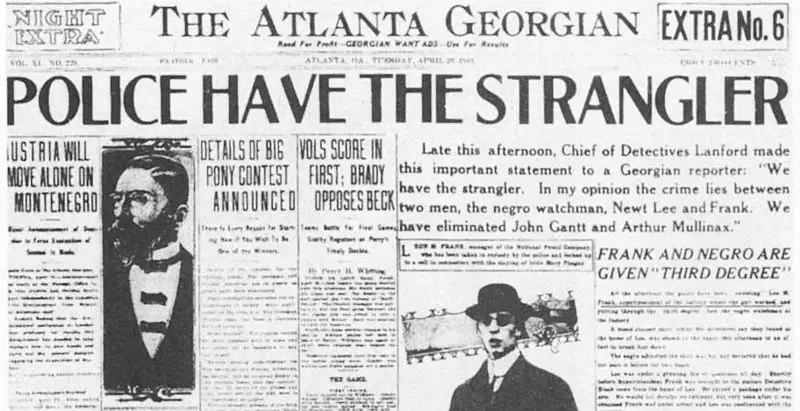
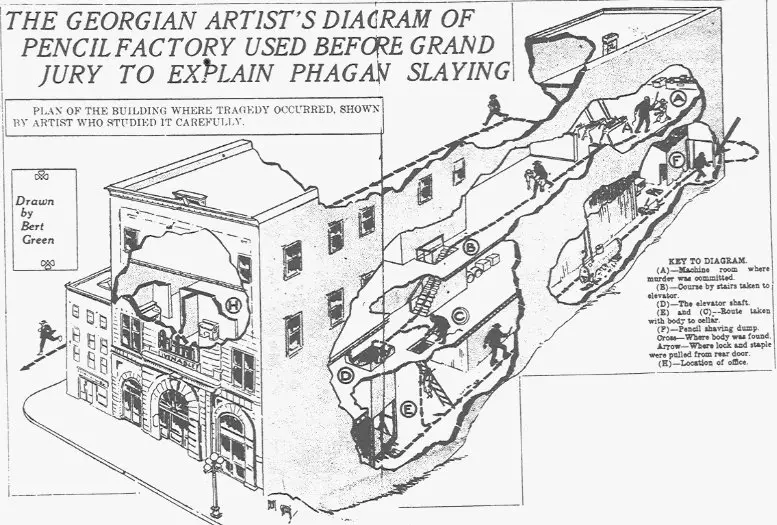
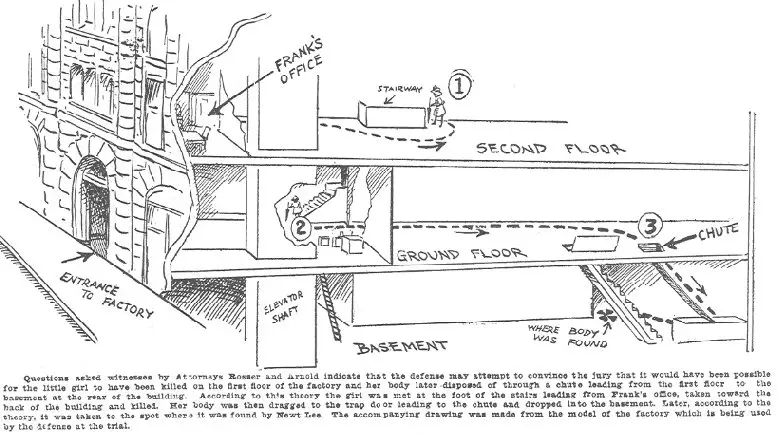
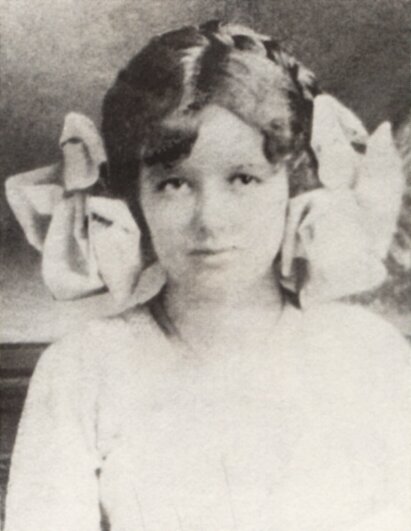
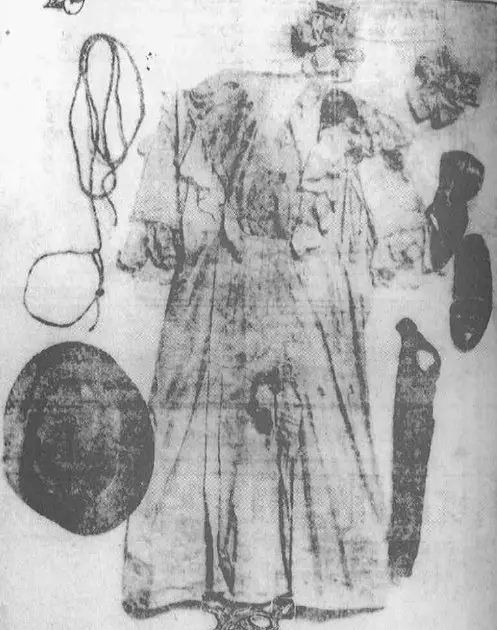
Mary Phagan was murdered on April 26, 1913. The investigation failed to properly secure the crime scene, leading to the loss of critical forensic evidence.
3. Investigation and Arrest
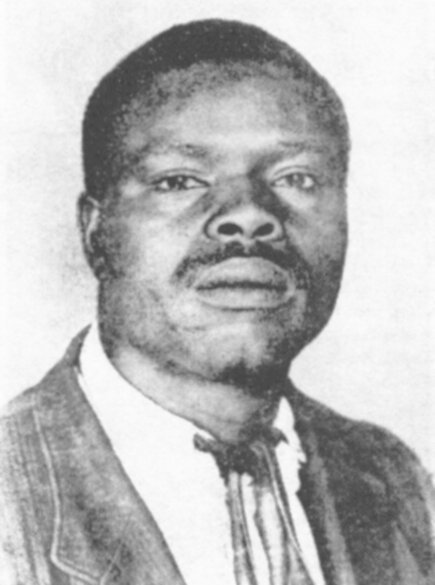
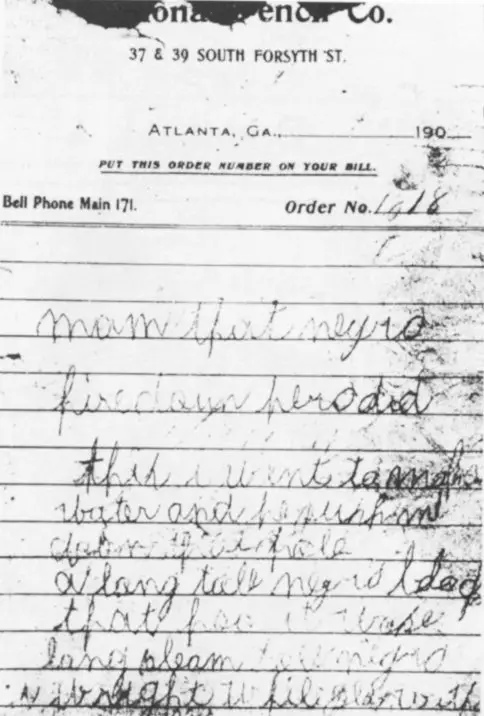
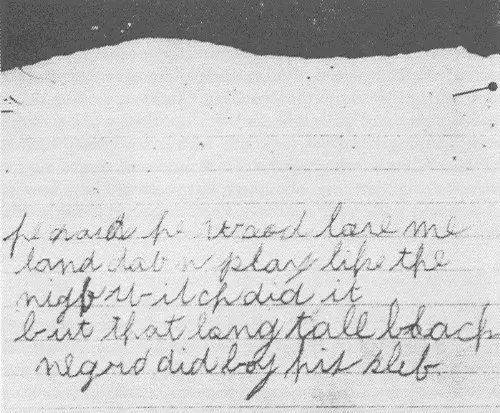
Police focused on Frank while ignoring the janitor, Jim Conley, whose changing stories and literacy were key to the murder notes found at the scene.
4. Legal Proceedings and Outcome
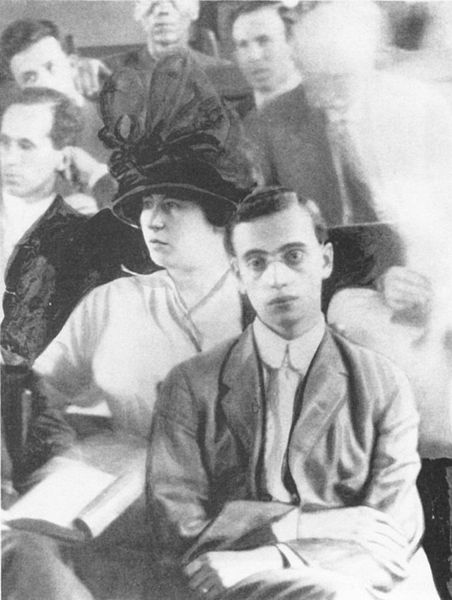
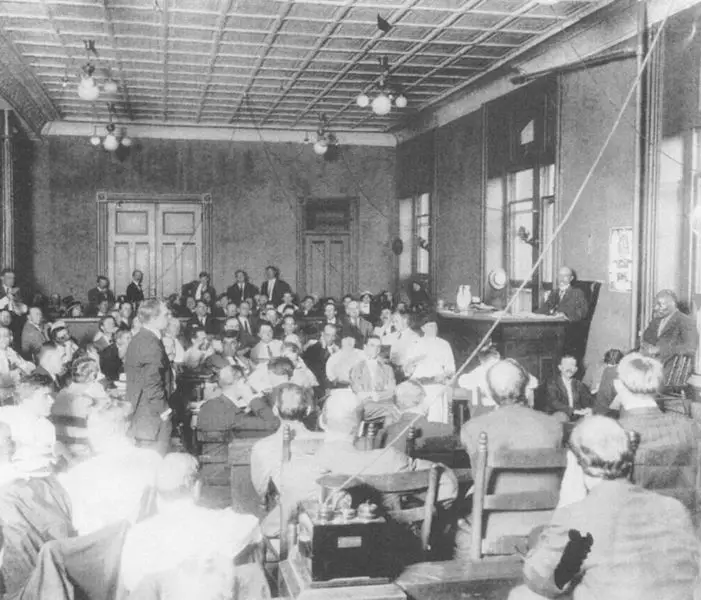
The trial was heavily influenced by public hysteria and antisemitism. Frank was convicted despite significant evidence pointing to Conley.
5. Forensic Conclusion
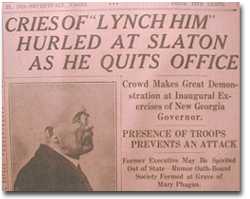
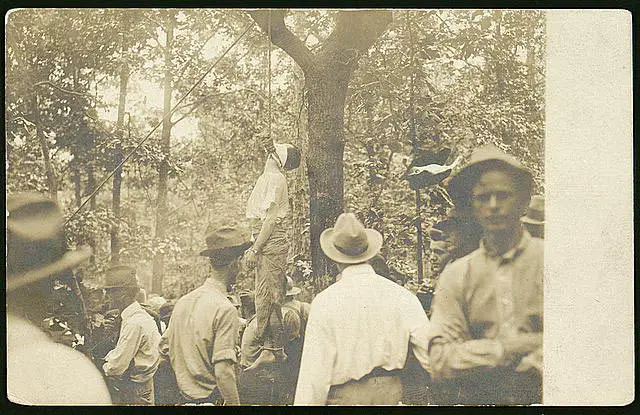
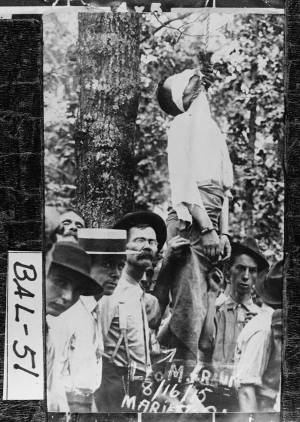
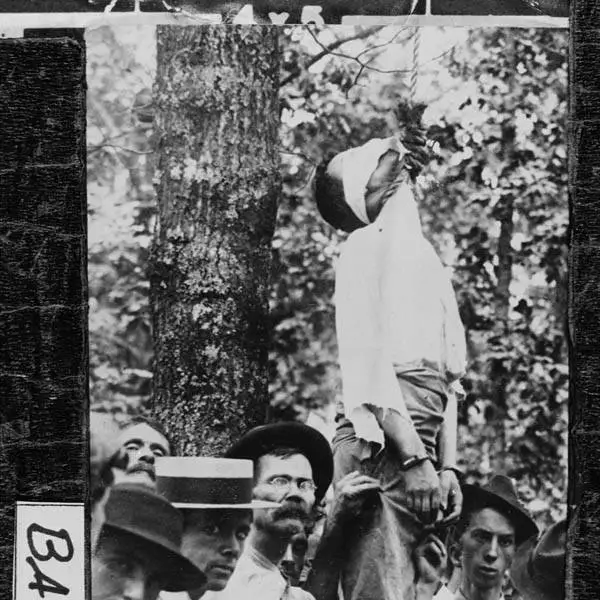
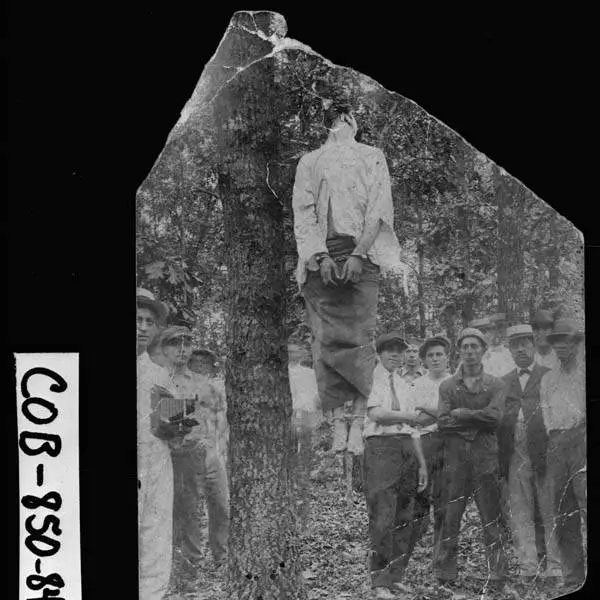
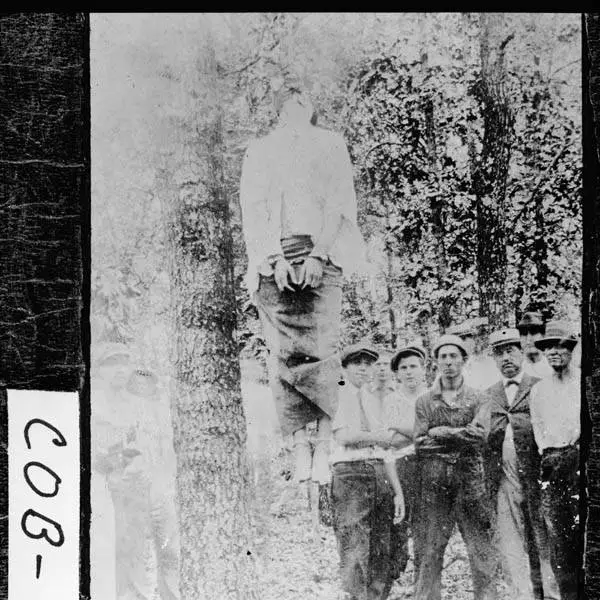
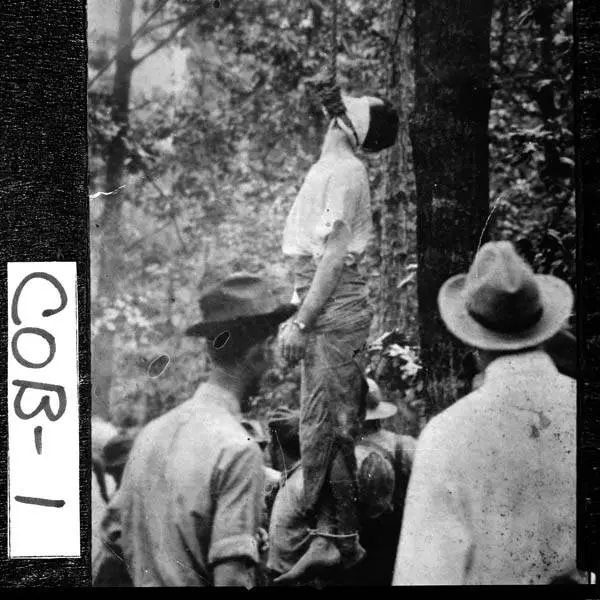
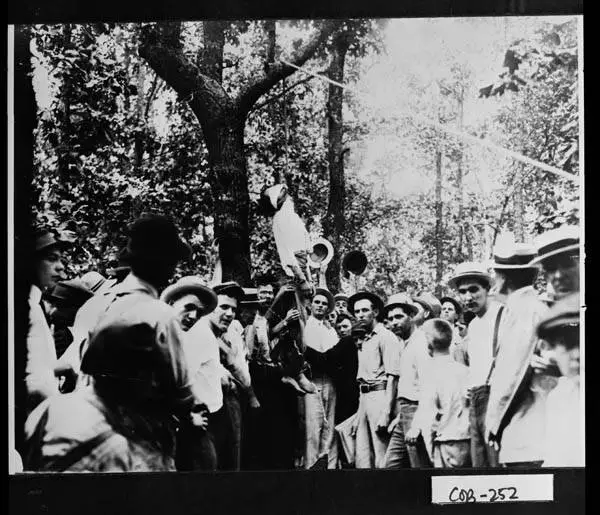
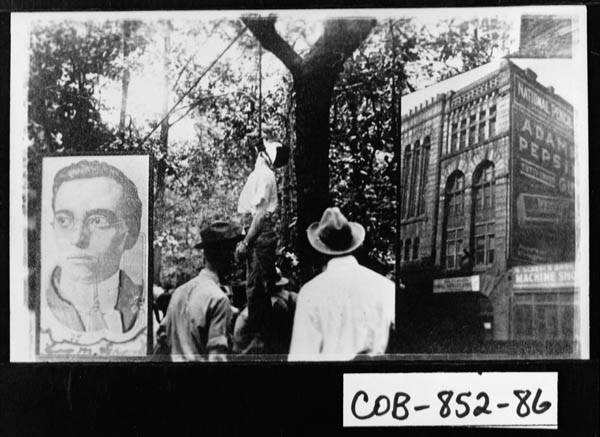
After Governor Slaton commuted his sentence, Frank was abducted and lynched. He was posthumously pardoned in 1986, confirming his innocence.