Forensic & Criminological Matrix
| Parameter | Forensic Detail |
|---|---|
| Forensic Heading / Aliases | Julian Andrew Frank |
| Legal Identity | Julian Andrew Frank |
| Confirmed Victims | 33 |
| Attributed / Indicted Victims | 33 |
| Active Timeline | 1960 |
| Jurisdiction / Area of Operations | Bolivia, North Carolina, USA |
| Criminological Classification | Mass Murderer / Aerial Saboteur |
| Forensic Modus Operandi | Placement of explosives on a commercial aircraft |
| Weapon / Mechanism of Death | Improvised explosive device (dynamite) |
| Motive / Behavioral Dynamics | Insurance fraud and financial distress |
| Judicial Outcome | Deceased (perpetrator died in the explosion) |
1. Background and Profile
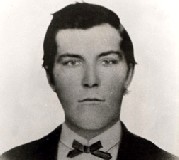
Julian Andrew Frank was a lawyer whose life was marked by significant financial instability. His actions represent a calculated attempt to resolve personal debt through extreme criminal violence.
2. Crime Spree
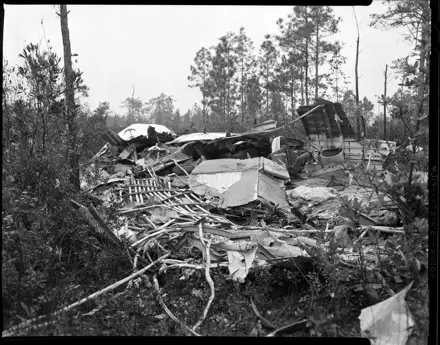
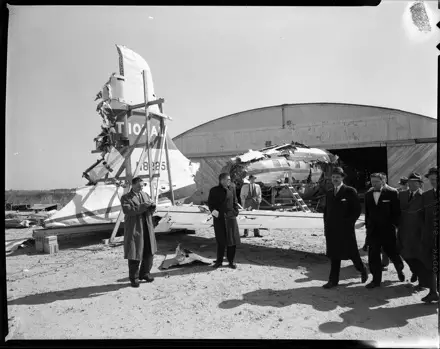
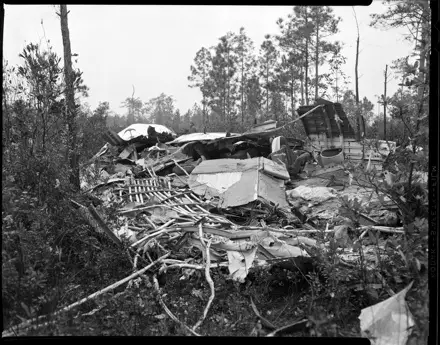
On January 6, 1960, National Airlines Flight 2511 exploded mid-air. The investigation concluded that Frank had smuggled an explosive device onto the plane, which detonated over Bolivia, North Carolina, killing all 33 people on board.
3. Investigation and Arrest
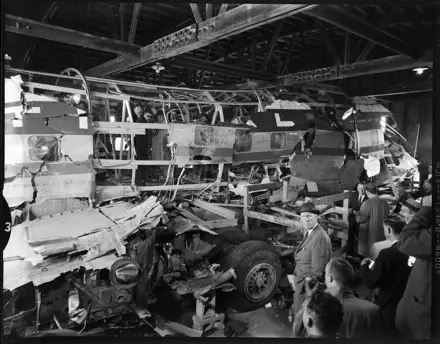
The Civil Aeronautics Board (CAB) and the FBI conducted a meticulous reconstruction of the wreckage. Forensic analysis of the debris confirmed the presence of explosives, effectively identifying Frank as the perpetrator.
4. Legal Proceedings and Outcome
As the perpetrator died in the crash, no criminal trial took place. The case remains a definitive example of aerial sabotage for financial gain.