




Forensic & Criminological Matrix
| Parameter | Forensic Detail |
|---|---|
| Forensic Heading / Aliases | Antoinette Frank |
| Legal Identity | Antoinette Frank |
| Confirmed Victims | 3 (Officer Ronald Williams, Cuong Vu, Ha Vu) |
| Active Timeline | March 4, 1995 |
| Jurisdiction / Area of Operations | New Orleans, Louisiana, USA |
| Criminological Classification | Corrupt police officer / Multiple homicide perpetrator |
| Forensic Modus Operandi | Abuse of police authority and uniform, armed robbery of a commercial establishment exploiting professional trust and criminal partnership |
| Weapon / Mechanism of Death | Firearm (9 mm pistol) / Close-range execution style shooting |
| Motive / Behavioral Dynamics | Financial gain through armed robbery, elimination of witnesses, antisocial personality traits and extreme emotional dependency on a criminal accomplice |
| Judicial Outcome | Sentenced to death on October 20, 1995 (currently incarcerated on Louisiana's death row) |
1. Background and Psychopathy
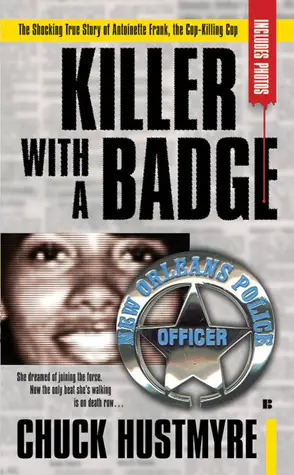
Antoinette Frank was born on April 30, 1971, in Louisiana, within a highly unstable and dysfunctional family environment. From an early age, she harbored a pathological obsession with law enforcement, expressing a fervent desire to become a police officer. Her childhood was characterized by paternal absence, a delinquent brother, and severe psychological disturbances requiring professional intervention. During the recruitment and psychological screening process prior to joining the New Orleans Police Department (NOPD) in 1993, Frank deliberately concealed her mental health history and fraudulently passed psychiatric evaluations, securing her badge despite explicit warnings from examining psychiatrists who deemed her shallow and unfit for duty.
2. Crime Spree
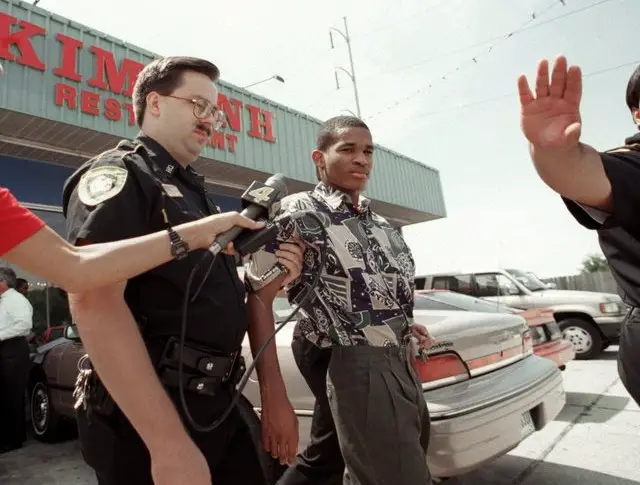
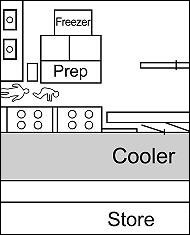
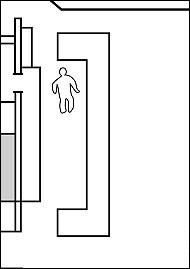
On March 4, 1995, Antoinette Frank, acting under the color of her authority as a sworn police officer, conspired with her lover and accomplice, drug dealer Rogers LaCaze, to execute an armed robbery at the Kim Anh Vietnamese restaurant in eastern New Orleans. Her fellow patrol officer and friend, Officer Ronald Williams, worked off-duty security at the establishment. Utilizing a stolen key and exploiting the trust of her colleagues, Frank entered the premises with LaCaze during the early morning hours. During the holdup, Frank ruthlessly murdered Officer Williams alongside two of the restaurant owners' children, Ha Vu and Cuong Vu, in order to eliminate any witnesses capable of identifying her.
3. Police Investigation and Forensic Hunt
The initial police response was compromised by the perpetrator's calculated return to the crime scene. Antoinette Frank audaciously arrived minutes after the initial dispatch, posing as a concerned officer investigating the homicide. However, surviving family members who had concealed themselves inside a walk-in cooler witnessed parts of the execution and immediately contradicted her claims. Forensic ballistics, witness testimonies, and the exposure of her clandestine criminal and intimate relationship with Rogers LaCaze—whom she frequently indulged by letting him drive her police unit—solidified the case against the corrupt officer.
4. Arrest and Judicial Proceedings
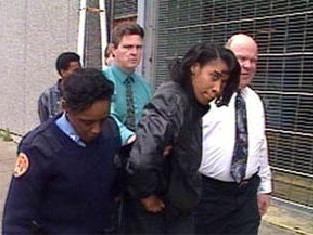
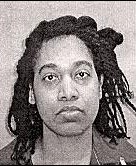
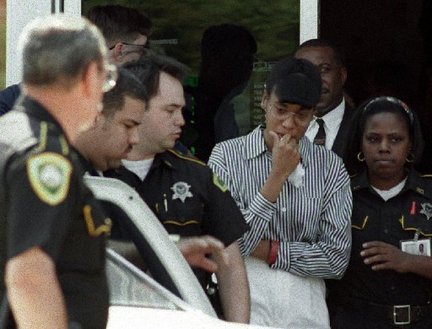
Antoinette Frank and Rogers LaCaze were arrested on the very day of the murders, March 4, 1995, following comprehensive interrogations. An Orleans Parish Grand Jury indicted them for first-degree murder on April 28, 1995. Their trials were severed; LaCaze was tried first, convicted, and sentenced to death in July 1995. Frank's trial commenced on September 5, 1995, resulting in a unanimous guilty verdict across all counts on September 12. On October 20, 1995, she was formally sentenced to death, positioning her as one of the rare female inmates on Louisiana's death row at the Louisiana Correctional Institute for Women.
5. Psychiatric Evaluation and Aftermath
Post-conviction psychological and criminological evaluations characterized Antoinette Frank as exhibiting profound institutional corruption masking an antisocial personality profile and extreme emotional vulnerability. Her descent from law enforcement officer to brutal executioner remains one of the darkest chapters in the history of the New Orleans Police Department. Her capital sentence has remained subject to protracted appellate litigation within state and federal judicial systems.