Forensic & Criminological Matrix
| Parameter | Forensic Detail |
|---|---|
| Forensic Heading / Aliases | N/A |
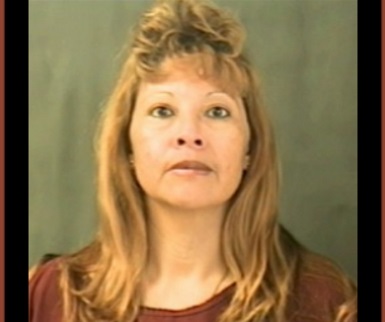
| Legal Identity | Francisca Rojas de Caraballo |
| Confirmed Victims | 2 |
| Attributed / Indicted Victims | 2 |
| Active Timeline | June 29, 1892 |
| Jurisdiction / Area of Operations | Necochea, Buenos Aires, Argentina |
| Criminological Classification | Filicide |
| Forensic Modus Operandi | Throat slitting with a bladed weapon and crime scene staging |
| Weapon / Mechanism of Death | Kitchen knife |
| Motive / Behavioral Dynamics | Marital conflict and fear of losing child custody |
| Judicial Outcome | Sentenced to indeterminate imprisonment (09/20/1894) |
1. Background and Profile
Francisca Rojas (born 1865) was a resident of Necochea, Argentina. Her life was characterized by severe marital instability with her husband, Ponciano Caraballo, fueled by allegations of infidelity and intense disputes regarding the custody of their two young children.
2. Crime Spree
On June 29, 1892, inside her home, Rojas slit the throats of her two children, Ponciano (6) and Felisa (4), while they slept. Following the act, she inflicted a superficial wound on her own neck to stage an attack and accused her neighbor, Pedro Ramón Velázquez, of the murders.
3. Investigation and Forensic Hunt
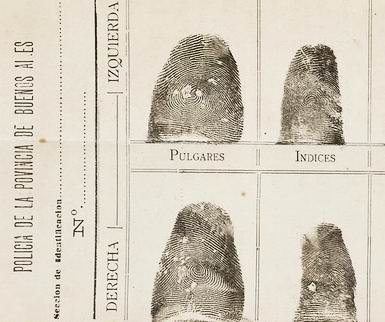
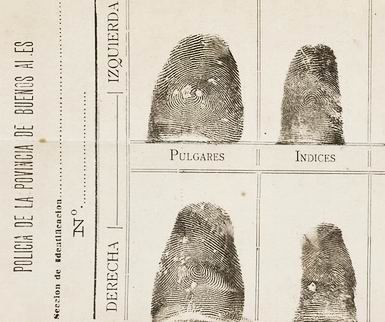
The initial police investigation was flawed, initially accepting the mother's account. However, the intervention of Juan Vucetich proved pivotal. Vucetich analyzed a bloody fingerprint found on the door frame. By comparing the print with those of Velázquez and Rojas, he scientifically proved the print belonged to the mother, shattering her alibi.
4. Legal Proceedings and Outcome
Confronted with the dactyloscopic evidence, Rojas confessed to being the sole perpetrator. The case became a global historical milestone, as it was the first time in history that fingerprint evidence was used in a court of law to secure a conviction.
5. Psychiatric Evaluation and Conclusion
On September 20, 1894, Francisca Rojas was sentenced to indeterminate imprisonment. Her case heralded the beginning of the modern era of criminal identification in Argentina and worldwide.