




Forensic & Criminological Matrix
| Parameter | Forensic Detail |
|---|---|
| Forensic Heading / Aliases | LaFonda Fay Foster / LaFonda Foster |
| Legal Identity | LaFonda Fay Foster |
| Confirmed Victims | 5 (Carlos Kearns, Virginia Kearns, Trudy Harrell, Jimmy Roger Keene, Theodore Sweet) |
| Active Timeline | April 23, 1986 |
| Jurisdiction / Area of Operations | Lexington, Kentucky, United States |
| Criminological Classification | Mass murderer / Spree killer |
| Forensic Modus Operandi | Express kidnapping, robbery, multiple assaults combining close-range gunshot wounds, sharp-force trauma (stabbing and throat-slitting), vehicular running-over, and subsequent arson to conceal evidence. |
| Weapon / Mechanism of Death | .22 caliber handgun, knife, and motor vehicle |
| Motive / Behavioral Dynamics | Financial gain via robbery to purchase drugs (cocaine) and alcohol, escalated by interpersonal conflicts and intoxication-fueled rage. |
| Judicial Outcome | Sentenced to death in April 1987 on five counts of first-degree murder. Death sentence reversed on appeal in December 1991 and commuted to life imprisonment without parole. |
1. Background and Psychopathy
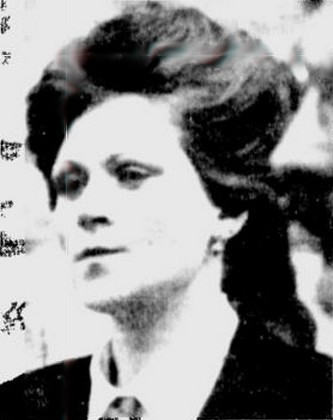
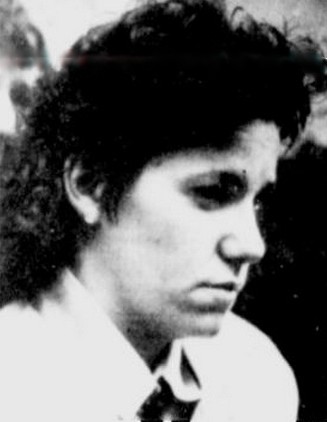
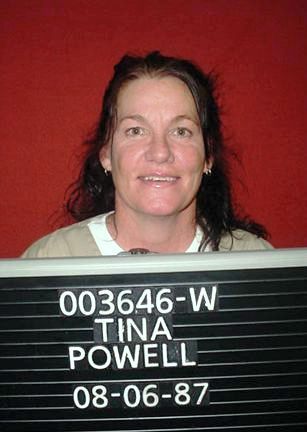
LaFonda Fay Foster was born in 1963 in the United States. Prior to the events that sealed her criminal notoriety, Foster possessed an established history of social instability, severe substance and alcohol abuse, sex work, and prior criminal convictions related to property crimes and narcotics within the state of Kentucky. She maintained a romantic and criminal partnership with Tina Marie Powell (also known as Tina Hickey Powell), navigating a marginalized subculture characterized by cyclical violence and prior incarcerations in Kentucky women's correctional facilities.
2. Crime Spree
On April 23, 1986, following an afternoon of heavy drinking and drug use in Lexington, Kentucky, Foster and Powell embarked on a murderous rampage driven by the immediate need to secure funds for cocaine. After an initial dispute with Virginia Kearns at an apartment complex, the perpetrators coerced the victims into surrendering money through intimidation, successfully cashing a $25 check at a local establishment.
Subsequently, they transported the five victims—Carlos Kearns (73), his wife Virginia Kearns (45), housekeeper Trudy Harrell (59), Jimmy Roger Keene (47), and Theodore Sweet (52)—to an isolated field off Mount Tabor Road. There, they forced the victims to the ground and executed them via gunshot wounds to the head, multiple stab wounds to the face and chest, and slashed throats. Three of the victims were deliberately run over by a car, and others suffered thermal injuries inside a burning vehicle. The modus operandi blended extreme overkills with chemical intoxication-driven impulsivity.
3. Police Investigation and Forensic Hunt
Police intervention began on April 23 when officers responded to neighborhood complaints regarding intoxicated individuals refusing to leave an apartment. Hours later, the discovery of the scattered bodies within a five-mile radius of Lexington mobilized local law enforcement and the Fayette County Coroner's Office. Homicide detective John Bizzack characterized the murders as a bizarre series of events sparked by an afternoon of partying.
Ballistics evidence, tire impressions, witness testimonies from individuals whom the suspects approached seeking firearms, and the trail of the cashed check enabled investigators to conclusively link Foster and Powell to the massacre, resulting in their arrest the following day.
4. Arrest and Judicial Proceedings
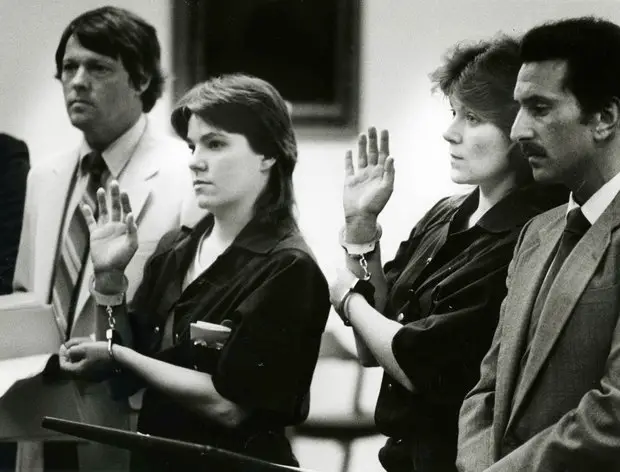
LaFonda Foster and Tina Powell were arrested and charged with multiple counts of first-degree murder. During their joint trial at the Fayette County Circuit Court presided over by Judge James Keller, the defense teams adopted conflicting and mutually antagonistic strategies. Foster's counsel attempted to portray her as a victim of abuse and chemical dependency, whereas Powell's defense invoked the Battered Wife Syndrome, casting Foster as the dominant, aggressive partner who exerted total coercive control.
In March 1987, a jury convicted both women on five counts of intentional first-degree murder. On April 26, 1987, Judge Keller sentenced LaFonda Fay Foster to death, making her only the second woman sentenced to capital punishment in Kentucky during the 20th century.
5. Psychiatric Evaluation and Outcome
Foster's case underwent intensive appellate scrutiny by the Supreme Court of Kentucky. On December 19, 1991 (Foster v. Commonwealth), the state's highest court affirmed the conviction verdicts for both appellants but reversed Foster's death sentence, remanding the case for a new penalty phase due to procedural errors during the joint sentencing trial. Consequently, Foster's capital sentence was overturned and commuted to life imprisonment without the possibility of parole, serving her sentence within the Kentucky penal system.