Forensic & Criminological Matrix
| Parameter | Forensic Detail |
|---|---|
| Forensic Heading / Aliases | None |
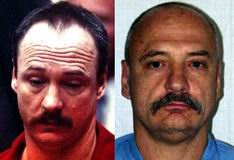
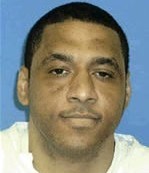
| Legal Identity | Kenneth E. Foster Jr. |
| Confirmed Victims | 1 |
| Attributed / Indicted Victims | 1 |
| Active Timeline | August 14-15, 1996 |
| Jurisdiction / Area of Operations | San Antonio, Texas |
| Criminological Classification | Accomplice / Getaway Driver |
| Forensic Modus Operandi | Armed robbery spree and getaway driving |
| Weapon / Mechanism of Death | Firearm (used by Mauriceo Brown) |
| Motive / Behavioral Dynamics | Opportunistic robbery |
| Judicial Outcome | Death sentence commuted to life imprisonment in 2007 |
1. Background and Profile
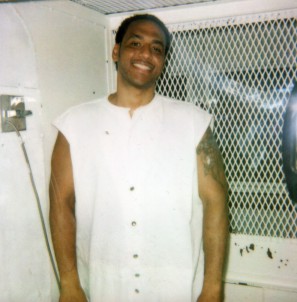
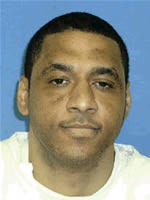
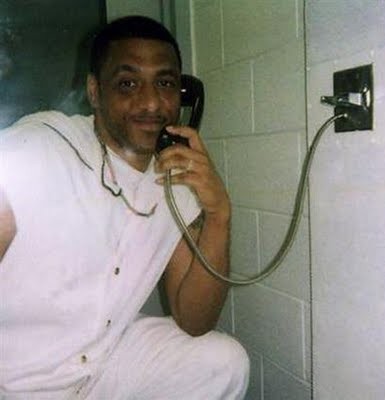
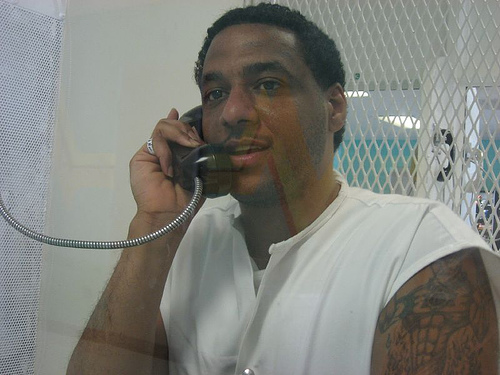
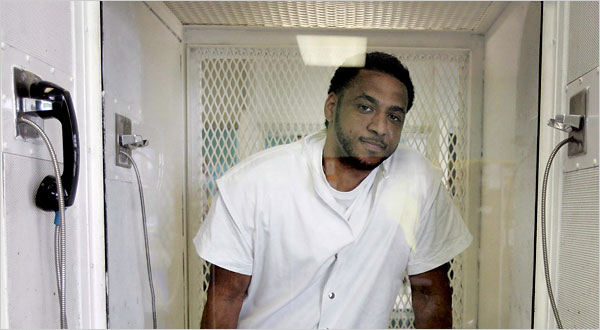
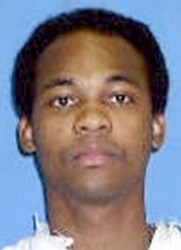
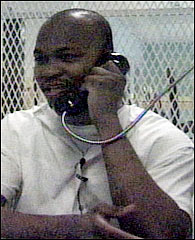
Kenneth E. Foster Jr. (born October 22, 1976) became a central figure in the debate over Texas capital punishment laws after his involvement in a 1996 crime spree. He was not the individual who pulled the trigger, yet he faced the death penalty due to his presence and participation in the events leading to a homicide.
2. Crime Spree
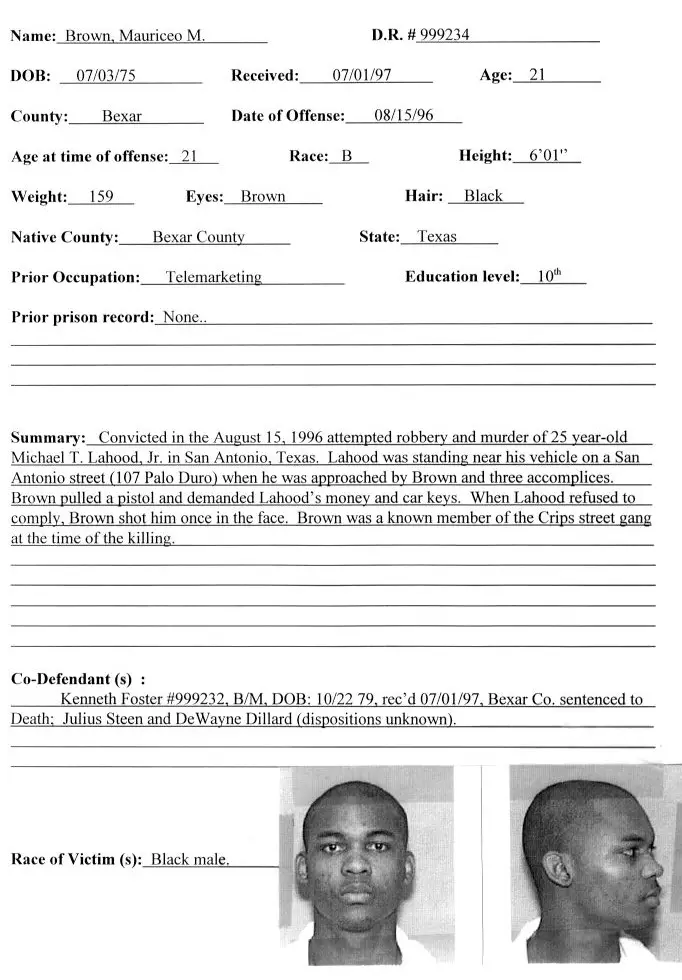
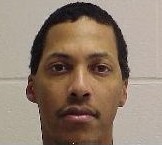
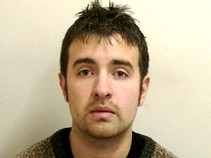
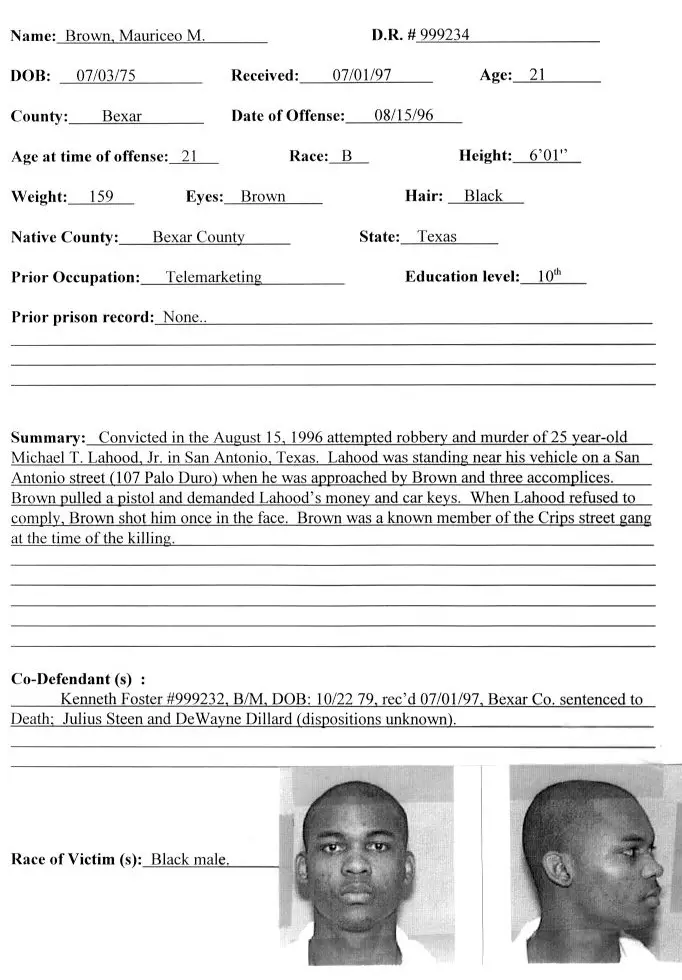
On August 14, 1996, Foster and three associates (Mauriceo Brown, DeWayne Dillard, and Julius Steen) engaged in multiple armed robberies. Foster drove the vehicle. During the final encounter, Brown exited the vehicle and shot Michael LaHood Jr. in the face. Foster remained in the car, yet was held legally responsible for the murder under the Texas 'law of parties'.
3. Investigation and Arrest
Law enforcement arrested all four men shortly after the shooting. Statements provided by the group identified Brown as the shooter. Forensic evidence confirmed the proximity of the weapon to the victim's head at the time of discharge.
4. Legal Proceedings and Outcome
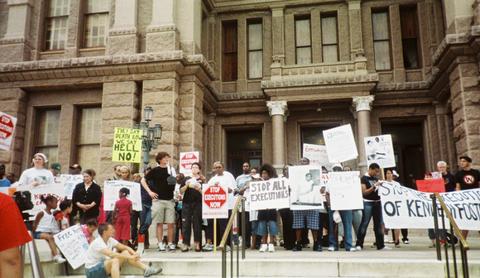
Foster and Brown were tried together in 1997 and both received death sentences. The case drew international attention due to the controversial application of the 'law of parties'. In 2007, Governor Rick Perry commuted Foster's sentence to life in prison just hours before his scheduled execution. He is eligible for parole in 2037.