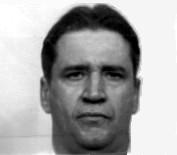
Forensic & Criminological Matrix
| Parameter | Forensic Detail |
|---|---|
| Forensic Heading / Aliases | None |
| Legal Identity | Thomas Jerry Fortenberry |
| Confirmed Victims | 4 |
| Attributed / Indicted Victims | 4 |
| Active Timeline | 1984 |
| Jurisdiction / Area of Operations | Attalla, Alabama, USA |
| Criminological Classification | Mass Murderer |
| Forensic Modus Operandi | Execution-style firearm murder during robbery |
| Weapon / Mechanism of Death | .22 caliber pistol |
| Motive / Behavioral Dynamics | Robbery for gambling funds |
| Judicial Outcome | Death sentence, executed in 2003 |
1. Background and Profile
Thomas Jerry Fortenberry was a 19-year-old nursing school graduate at the time of the crimes. Forensic evaluations revealed a history of chronic alcohol abuse and a personality disorder marked by poor impulse control and judgment.
2. Crime Spree
On August 25, 1984, Fortenberry entered the Guest Service Station in Attalla, Alabama, with the intent to rob the establishment to fund his gambling habits. He proceeded to execute four individuals: Ronald Guest, Wilbur T. Nelson, Bobby Payne, and Nancy Payne, using a stolen .22 caliber pistol.
3. Investigation and Arrest
The investigation gained momentum when the murder weapon was recovered from Black Creek in 1985. Ballistic evidence linked the gun to Fortenberry. Following his arrest, he provided inconsistent statements, initially attempting to implicate an associate named Harvey Underwood before eventually confessing to the murders.
4. Legal Proceedings and Outcome
Fortenberry was indicted under Alabama's Death Penalty Act. His trial defense was later criticized for ineffective assistance of counsel, particularly during the penalty phase. Despite numerous appeals and federal habeas corpus petitions challenging the constitutionality of his sentencing, his conviction and death sentence were upheld.
5. Psychiatric Evaluation and Final Disposition
Psychiatric reports highlighted his significant psychological problems and history of substance abuse. After exhausting all legal avenues, Thomas Fortenberry was executed by the State of Alabama in 2003.