



Forensic & Criminological Matrix
| Parameter | Forensic Detail |
|---|---|
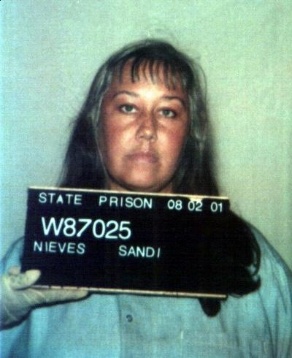
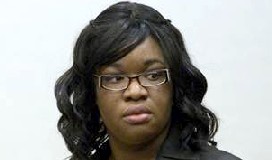
| Forensic Heading / Aliases | Tonya Ford |
| Legal Identity | Tonya M. Ford |
| Confirmed Victims | 1 (David M. Ford, 40) |
| Active Timeline | February 10, 2009 |
| Jurisdiction / Area of Operations | Campbellsville, Taylor County, Kentucky, United States |
| Criminological Classification | Parricide / Domestic violence homicide |
| Forensic Modus Operandi | Close-range firearm execution at the marital residence, followed by crime scene tampering and alibi fabrication |
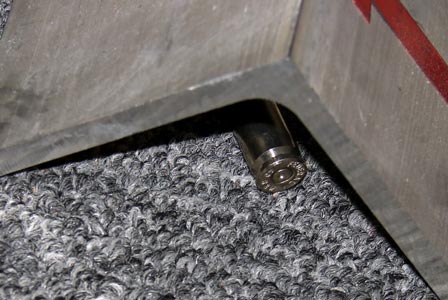
| Weapon / Mechanism of Death | Firearm (contact/close-range gunshot wound to the head) |
| Motive / Behavioral Dynamics | Marital conflict, interpersonal hostility, and targeted psychological harassment |
| Judicial Outcome | Sentenced to 20 years in prison for first-degree murder on September 18, 2012 |
1. Background and Psychopathy
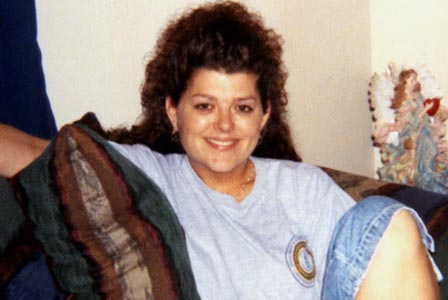
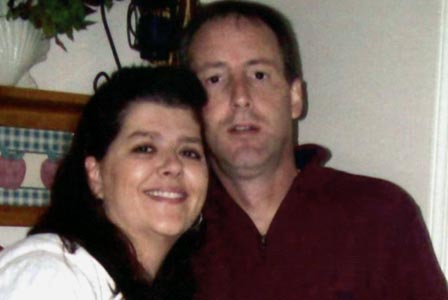
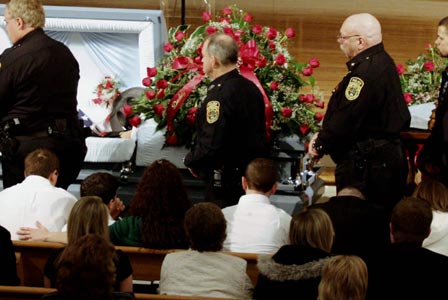
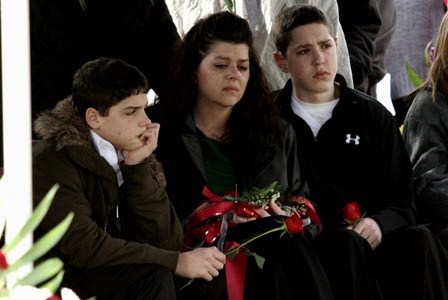
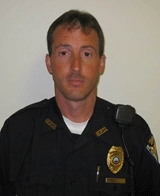
Tonya M. Ford entered the records of American forensic criminology following the homicide of her husband, David M. Ford, a police officer with the Lebanon Police Department in Kentucky. The couple lived in Campbellsville, Taylor County. Behind the facade of a standard law enforcement household, underlying marital strains and psychological friction festered, punctuated by threatening anonymous notes received by the victim that were later forensically linked to the perpetrator.
2. Crime Spree
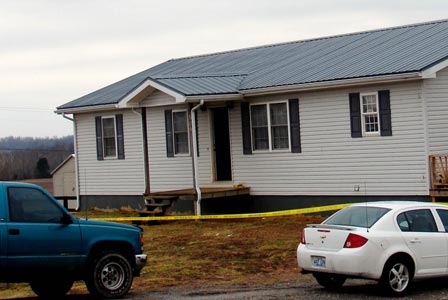
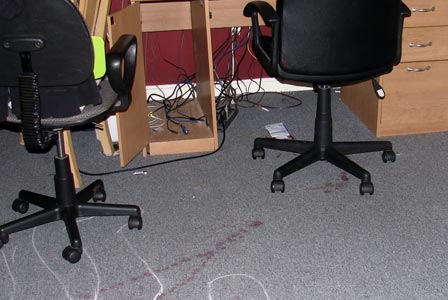
On February 10, 2009, David M. Ford was found dead from a gunshot wound to the head inside his residence on Graham Road. Forensic reconstruction and computer logs indicated that the officer was killed around 11:17 a.m., moments after his final web activity. Tonya Ford subsequently placed a 911 call claiming she had discovered the body upon returning home. Cell tower records and conflicting witness timelines, however, directly contradicted her stated whereabouts and movements during the critical operational window.
3. Investigation and Forensic Pursuit
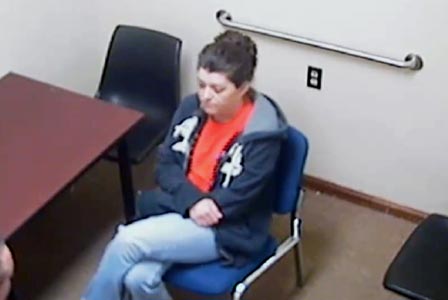
The investigation was spearheaded by Kentucky State Police Detective Israel Slinker. Forensic analysts and cell phone data experts cross-referenced telecommunication logs, proving that Ford's cellular device did not register in the locations she claimed to be visiting at the time of the murder. Additional forensic red flags emerged at the crime scene: witnesses testified that Ford washed her hands despite warnings regarding potential gunshot residue, and investigators recovered her fingerprint on threatening notes that had preyed upon the victim's peace of mind.
4. Arrest and Judicial Proceedings
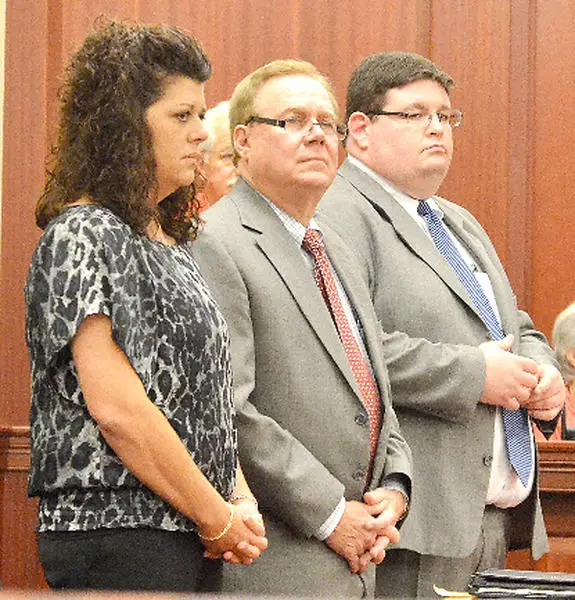
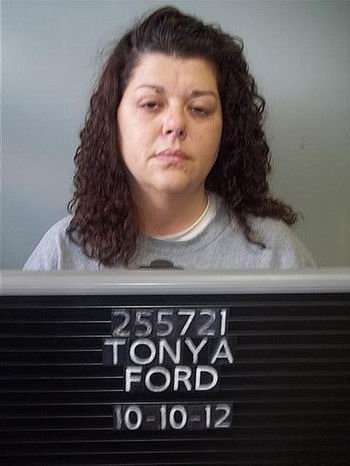
Following extensive evidence gathering, a Taylor County grand jury indicted Ford, leading to her arrest on October 20, 2010. Her trial commenced in August 2012 before Taylor Circuit Court Judge Dan Kelly. After more than eleven hours of intense deliberation and a period of jury sequestration, the panel found her guilty of first-degree murder. On September 18, 2012, Judge Kelly formally sentenced Ford to 20 years in prison, mandating that she serve 85% of her sentence before becoming eligible for parole.
5. Psychiatric Assessment and Aftermath
The case remains a stark illustration of domestic violence within a law enforcement family. Despite defense arguments highlighting the circumstantial nature of the prosecution's case, the synchronized convergence of digital forensics, telecommunication mapping, and physical evidence established her incontrovertible culpability, securing her incarceration within the Kentucky correctional system.