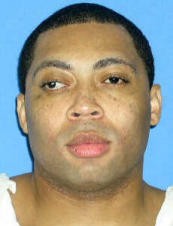
Forensic & Criminological Matrix
| Parameter | Forensic Detail |
|---|---|
| Forensic Heading / Aliases | null |
| Legal Identity | Pernell Ford |
| Confirmed Victims | 2 |
| Attributed / Indicted Victims | 2 |
| Active Timeline | 1983 |
| Jurisdiction / Area of Operations | Jacksonville, Alabama, USA |
| Criminological Classification | Multiple murderer |
| Forensic Modus Operandi | Home invasion, physical assault, and multiple stabbings |
| Weapon / Mechanism of Death | Knife (bladed weapon) |
| Motive / Behavioral Dynamics | Robbery and antisocial personality disorder |
| Judicial Outcome | Death sentence, executed in 2000 |
1. Background and Psychopathy
Pernell Ford was a death row inmate in Alabama convicted for the 1983 double homicide of Willie C. Griffith and her daughter, Linda Gail Griffith. His case became a landmark in legal proceedings regarding the competency of death row inmates to waive their own appeals and seek execution, involving extensive psychiatric evaluations.
2. Crime Spree
In 1983, Ford entered the victims' home in Jacksonville, Alabama. Prosecutors established that Ford beat and stabbed Linda Gail Griffith after she surprised him, and subsequently killed her mother, Willie C. Griffith, to stop her from screaming. He was apprehended the following day in Illinois while in possession of the victims' vehicle and blood-stained clothing.
3. Investigation and Arrest
The investigation was bolstered by the immediate recovery of physical evidence, including the victims' car and the perpetrator's blood-spattered clothing. Ford's decision to represent himself during the trial phase added a layer of procedural complexity that was heavily scrutinized in subsequent appeals.
4. Legal Proceedings and Outcome
Ford was sentenced to death in 1984. Throughout the 1990s, he repeatedly sought to dismiss his counsel and habeas corpus petitions. The courts, including the 11th U.S. Circuit Court of Appeals, conducted multiple evidentiary hearings to determine his mental competency. Despite claims of schizophrenia and depression by his former attorney, the courts found him competent to make his own legal decisions.
5. Psychiatric Evaluation and Finality
Psychiatric experts, notably Dr. Robert Rollins, testified that while Ford exhibited personality disorders, he possessed a rational understanding of his legal position and the consequences of his choices. The courts ultimately upheld his right to waive further appeals, and his execution was carried out in 2000.