Forensic & Criminological Matrix
| Parameter | Forensic Detail |
|---|---|
| Forensic Heading / Aliases | null |
| Legal Identity | Mattias Flink |
| Confirmed Victims | 7 |
| Attributed / Indicted Victims | 7 |
| Active Timeline | June 11, 1994 |
| Jurisdiction / Area of Operations | Falun, Sweden |
| Criminological Classification | Mass Murderer |
| Forensic Modus Operandi | Military assault rifle (AK5) in public space |
| Weapon / Mechanism of Death | AK5 assault rifle (5.56mm) |
| Motive / Behavioral Dynamics | Emotional instability and alcohol-induced psychosis |
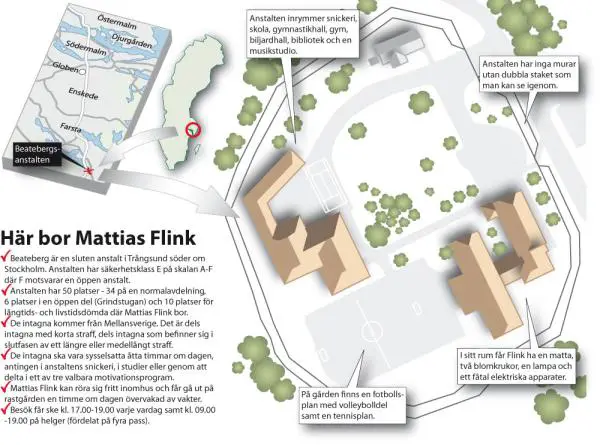
| Judicial Outcome | Life imprisonment (released in 2014) |
1. Background and Profile
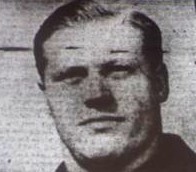
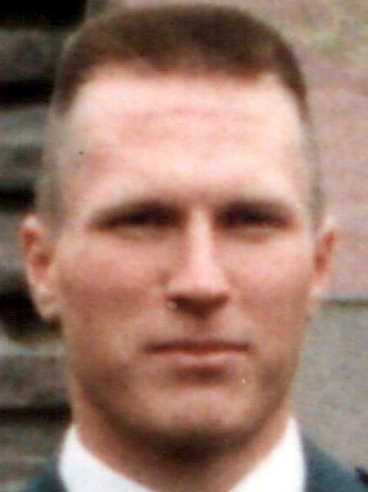
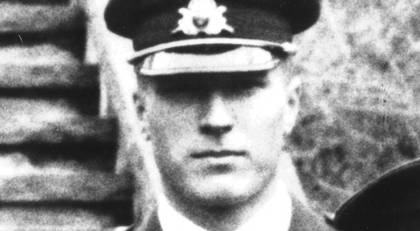
Mattias Flink was raised in Falun, Sweden. His father and grandfather were blacksmiths. Following his parents' divorce at age nine, psychological evaluations indicated that the separation left lasting emotional scars, contributing to a reported alienation toward women. He pursued a military career, eventually becoming a second lieutenant in the Swedish Army.
2. Criminal Career and Modus Operandi
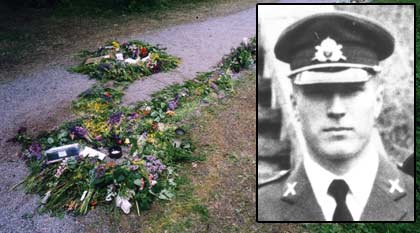
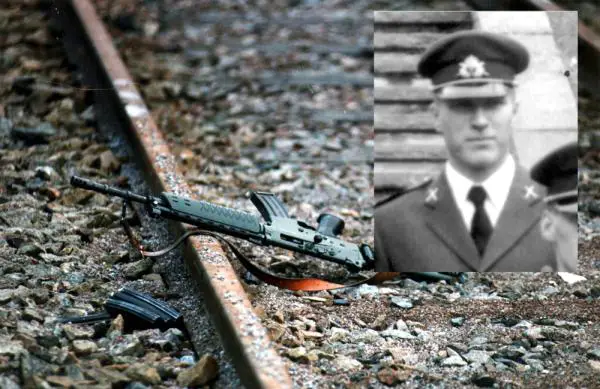
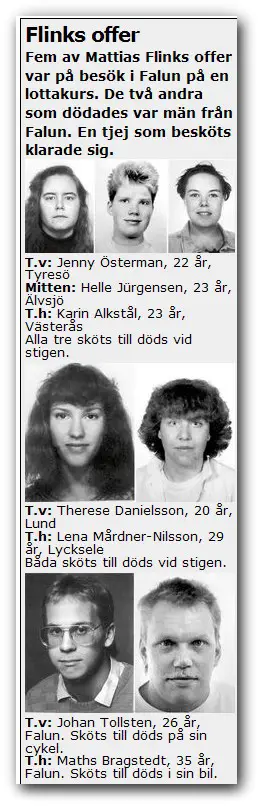
On June 11, 1994, after consuming significant amounts of alcohol, Flink donned his field uniform and armed himself with an AK5 assault rifle. He proceeded to a park in Falun, where he opened fire on a group of women from the Women's Auxiliary Services. He continued his rampage, killing two men who crossed his path. The attack was characterized by its suddenness and the use of high-velocity military-grade weaponry.
3. Investigation and Arrest
Police officers encountered Flink shortly after the shooting. A brief shootout ensued, during which Flink was wounded in the hip by police fire. He was subsequently apprehended and hospitalized. The investigation confirmed the indiscriminate nature of the killings and the perpetrator's state of intoxication.
4. Legal Proceedings and Outcome
The trial focused on whether Flink was suffering from a mental illness that would mitigate his criminal responsibility. The Swedish Supreme Court established a landmark precedent, ruling that an alcohol-induced psychotic state does not absolve a defendant of criminal liability. Flink was sentenced to life imprisonment and was released in 2014.