




Forensic & Criminological Matrix
| Parameter | Forensic Detail |
|---|---|
| Forensic Heading / Aliases | Lulonda Flett |
| Legal Identity | Lulonda Lynn Flett |
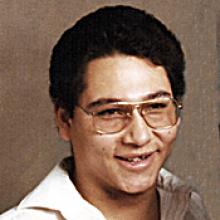
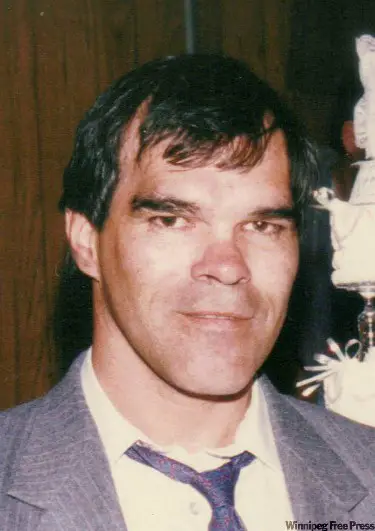
| Confirmed Victims | 5 deceased (Norman Darius Anderson, Maureen Claire Harper, Kenneth Bradley Monkman, Dean James Stranden, Robert Curtis Laforte) |
| Active Timeline | July 16, 2011 |
| Jurisdiction / Area of Operations | Winnipeg, Manitoba, Canada |
| Criminological Classification | Mass murderer / Arsonist |
| Forensic Modus Operandi | Use of accelerants and intentional ignition at the main entrance of a residential rooming house to block escape routes |
| Weapon / Mechanism of Death | Fire / Premeditated arson |
| Motive / Behavioral Dynamics | Personal vengeance and family disputes (prior conflict with her sister-in-law residing in the building) |
| Judicial Outcome | Sentenced to five concurrent life sentences for manslaughter and one count of arson, with parole eligibility after five years (June 2013) |
1. Background and Psychopathy
Lulonda Lynn Flett was born in 1971 and originally hailed from a remote First Nation community in northern Canada. Prior to the events of July 2011, she had no major criminal history, although she had recently received a conditional sentence and a court order to stay away from her sister-in-law, Lynette Harper, following a 2009 assault conviction involving another individual. Her criminological background highlights socioeconomic vulnerability, cognitive challenges, and intense interpersonal friction fueled by domestic grievances.
2. Crime Spree
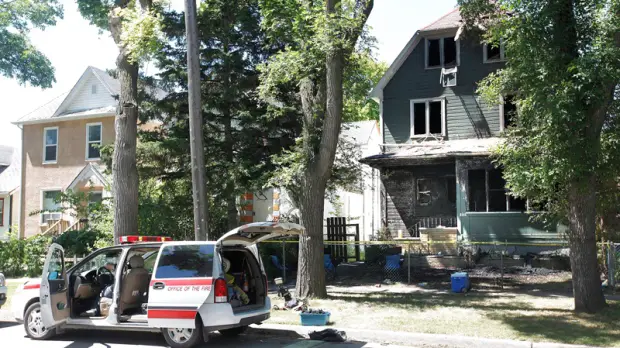
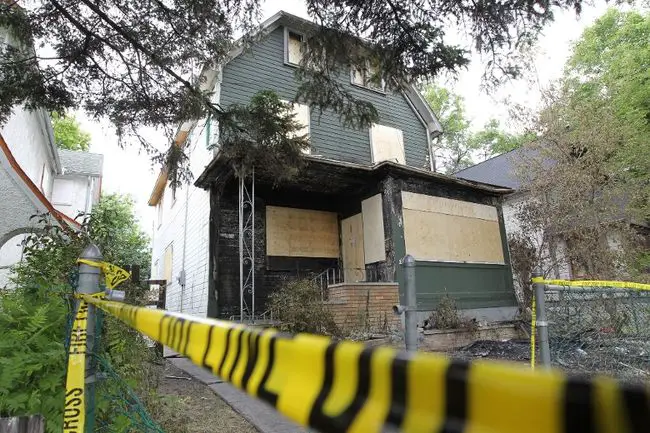
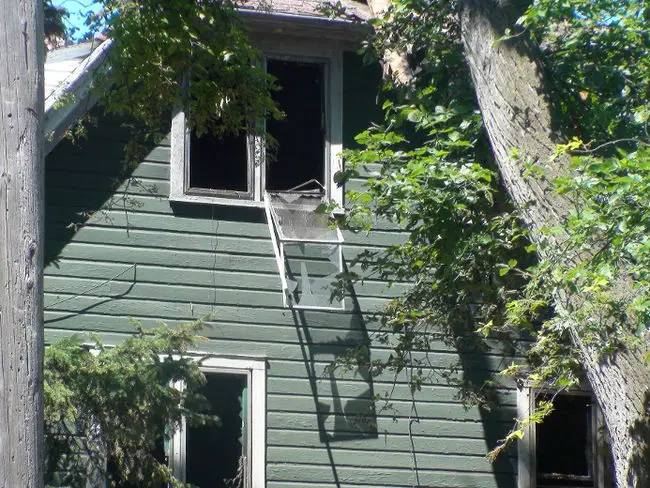
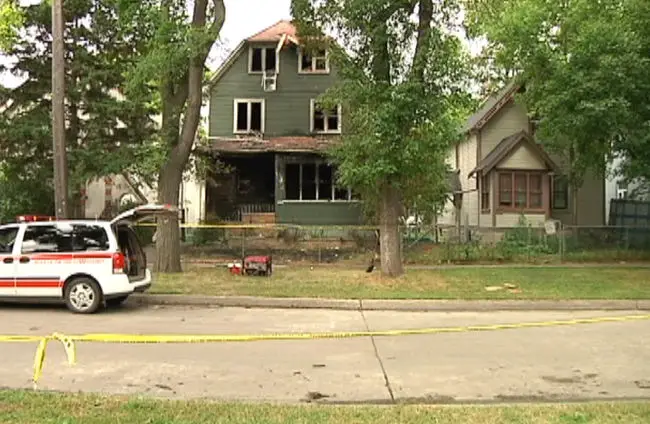
In the early morning hours of July 16, 2011, Flett targeted a multi-room residential rooming house located at 288 Austin Street North in Winnipeg’s Point Douglas neighborhood. The structure housed eight people, including her sister-in-law Lynette Harper. Motivated by hostility and personal retaliation, Flett poured an accelerant near the main entrance and veranda of the building and deliberately set it ablaze.
The forensic modus operandi relied on fire as a mass-casualty weapon. By igniting the primary exit, escape routes were immediately compromised, trapping the occupants inside the two-and-a-half-story structure. Four residents died at the scene or shortly thereafter, while a fifth victim succumbed to severe burns and smoke inhalation days later in the hospital.
3. Investigation and Forensic Pursuit
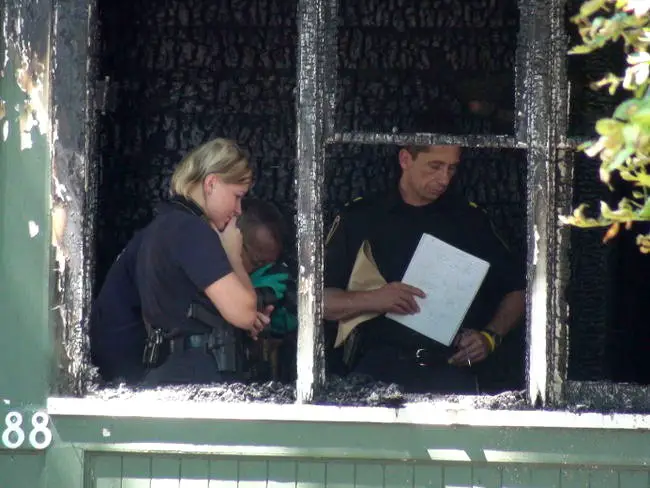
Winnipeg emergency services responded rapidly after neighbors and motorists reported the raging fire shortly before 2:00 a.m. Fire investigators quickly identified chemical accelerant signatures at the scene, confirming foul play. The police homicide unit and the arson strike force launched an intensive manhunt.
Eyewitness testimonies from individuals who observed a suspect using flammable materials near the front porch directed investigators straight to Lulonda Flett, establishing her connection to one of the residents and her recent legal prohibitions regarding the premises.
4. Arrest and Judicial Proceedings
Less than 24 hours after the blaze, on July 17, 2011, Winnipeg police located and arrested Flett at a Main Street bar. She was initially charged with four counts of second-degree murder and multiple counts of attempted murder, which were subsequently updated following the death of the fifth victim.
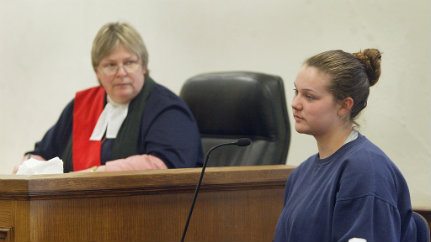
In October 2012, in a plea agreement with the Crown to avert a lengthy trial, Flett pleaded guilty to five counts of manslaughter and one count of arson. A Gladue report was prepared to assess her background as an Indigenous offender. On June 12, 2013, Court of Queen's Bench Justice Brenda Keyser sentenced Flett to five concurrent life sentences, noting that while she may not have desired the full catastrophic outcome, she clearly recognized the extreme danger of her actions.
5. Psychiatric Evaluation and Outcome
Judicial evaluations and defense statements underscored Flett's disadvantaged background, cognitive difficulties, and the tragic nature of the events. Although defense counsel emphasized a lack of direct intent to kill, the court ruled that reckless disregard through arson justified severe penal sanctions. Flett was remanded to federal custody to serve her life sentence under lifelong community supervision upon eventual parole eligibility.