




Forensic & Criminological Matrix
| Parameter | Forensic Detail |
|---|---|
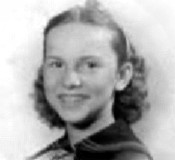
| Forensic Heading / Aliases | Constance Fisher |
| Legal Identity | Constance M. Fisher |
| Confirmed Victims | 6 (her own children: Richard, Daniel, Deborah in 1954; Kathleen, Michael, Nathalie in 1966) |
| Active Timeline | 1954 - 1966 |
| Jurisdiction / Area of Operations | Waterville and Fairfield, Maine, USA |
| Criminological Classification | Filicidal offender / Severe psychopathology with religious delusions |
| Forensic Modus Operandi | Systematic drowning of minor children in a bathtub during acute psychotic episodes |
| Weapon / Mechanism of Death | Forced submersion in water (bathtub) |
| Motive / Behavioral Dynamics | Severe mental illness, paranoid schizophrenia, postpartum psychosis, and messianic delusions of divine protection |
| Judicial Outcome | Acquitted by reason of mental illness in 1954 and 1966; indefinite psychiatric confinement followed by suicide via immersion (1973) |
1. Background and Psychopathy
Constance M. Fisher was born around 1929 in the state of Maine, USA. An adoptee with a deeply religious upbringing, she suffered from intense anxieties regarding the spiritual fate of her offspring. Living with her husband Carl Fisher in rural isolation and precarious economic conditions, Constance began showing severe psychiatric deterioration following the birth of her children. Her symptoms included profound mood swings, deep depressive episodes linked to the cessation of breastfeeding, and persecutory, hyper-religious delusions.
2. Crime Spree
The first multiple filicide occurred on March 8, 1954, in a Waterville apartment. Amid a severe psychotic break, Fisher drowned her first three children—Richard (6), Daniel (4), and infant Deborah (11 months)—in the bathtub, then attempted suicide by drinking poisonous shampoo. After serving a psychiatric commitment and being released as 'cured', she bore three more children. On June 30, 1966, she replicated the exact criminological pattern in rural Fairfield Center, drowning Kathleen (6), Michael (4), and Nathalie (9 months) in the bathtub before attempting suicide via pill overdose.
3. Police Investigation and Forensic Hunt
Police and forensic investigations into both tragedies revealed crime scenes defined by severe mental pathology rather than malice. In 1954, authorities found the children wrapped in blankets and Fisher hiding under a bed. In 1966, local priest Joseph Brannigan discovered the victims and Constance in a coma. Forensic experts debated her shifting diagnoses over the years, ranging from paranoid schizophrenia to postpartum psychosis and dissociative disorder. Clinicians noted her initial lack of remorse, driven by her core delusion that she was sparing her children from earthly suffering and sending them directly to heaven.
4. Arrest and Judicial Proceedings
On both occasions, the judicial system ruled Constance Fisher legally insane and not criminally responsible for her actions. She was found innocent by reason of insanity in 1954 and again in 1966. Following her initial 1954 commitment, she spent five years at the Augusta State Hospital before being released prematurely amid shifting national mental health policies lacking adequate outpatient support. Following the 1966 murders, the court ordered her permanent recommitment to the state mental institution.
5. Psychiatric Evaluation and Outcome
Historical psychiatric evaluations highlight the limitations and experimental treatments of mid-20th-century asylums, including insulin shock therapy. Confined indefinitely after her second set of filicides, Fisher withdrew socially. On the night of October 1, 1973, she slipped away from the Augusta Mental Health Institute grounds and threw herself into the Kennebec River. Her body was recovered a week later in South Gardiner, concluding one of the most tragic cases of untreated severe mental illness in New England history.