




Forensic & Criminological Matrix
| Parameter | Forensic Detail |
|---|---|
| Forensic Heading / Aliases | Lyndsey Dawn Fiddler |
| Legal Identity | Lyndsey Dawn Fiddler |
| Confirmed Victims | 1 (Maggie May Trammel, 10-day-old infant daughter) |
| Active Timeline | November 4, 2010 |
| Jurisdiction / Area of Operations | Bartlesville, Washington County, Oklahoma, United States |
| Criminological Classification | Severe child neglect homicide / Substance-induced fatality |
| Forensic Modus Operandi | Extreme substance intoxication (methamphetamine), incapacitation, and negligent exposure of an infant to a lethal domestic hazard (running washing machine) |
| Weapon / Mechanism of Death | Water immersion / Drowning |
| Motive / Behavioral Dynamics | Chronic substance abuse disorder, severe parental negligence, and total loss of cognitive faculties |
| Judicial Outcome | Sentenced to 30 years imprisonment (15 years mandatory service under violent crime legislation for child neglect) and a concurrent 4-year term for second-degree manslaughter (October 2011) |
1. Background and Psychopathy
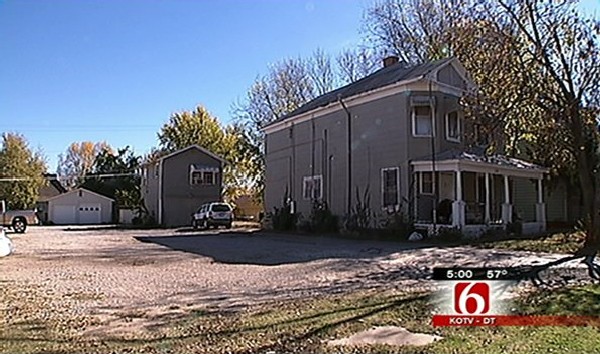
Lyndsey Dawn Fiddler was a resident of Bartlesville, Oklahoma, with a documented history of substance abuse, specifically involving methamphetamine and prescription medications. As a mother of three, her cognitive and functional capacity to provide safe parental supervision was severely compromised by her chronic addiction. The domestic environment shared with relatives was characterized by drug use dynamics that directly endangered the welfare of the children under her care.
2. Crime Spree
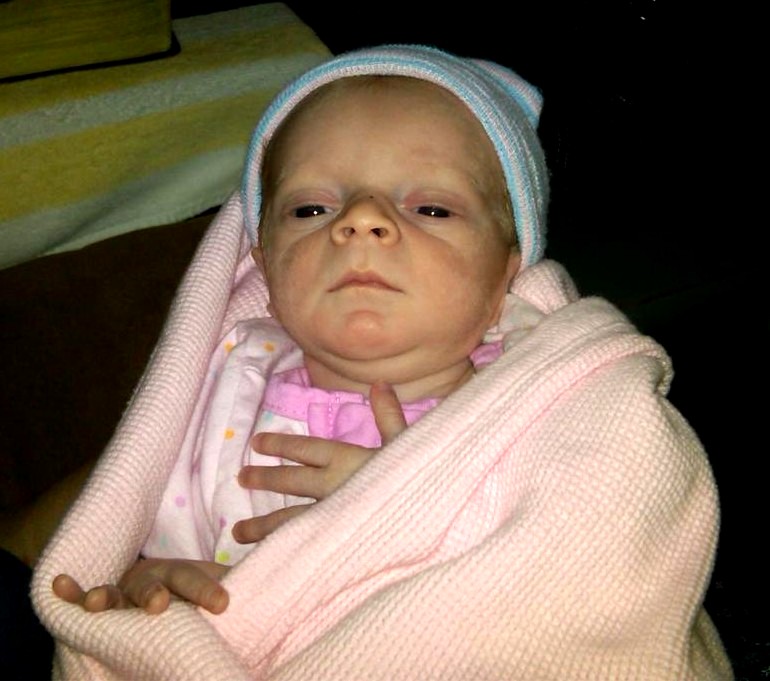
On November 4, 2010, Fiddler was responsible for the care of her ten-day-old infant daughter, Maggie May Trammel. After feeding, bathing, and dressing the child, Fiddler ingested methamphetamine and prescription drugs, inducing a state of heavy narcosis and unconsciousness on a living room couch. During this period of complete incapacitation, the infant accessed or was placed inside the drum of an operating washing machine.
Forensic examination established the cause of death as asphyxia by drowning. An aunt, who was also residing in the home under the influence of morphine, discovered the infant's lifeless body inside the appliance after the wash cycle had terminated.
3. Police Investigation and Forensic Hunt
The Bartlesville Police Department and the Washington County District Attorney's Office launched an immediate homicide and neglect investigation. Post-arrest toxicological screenings confirmed Fiddler's positive status for methamphetamine and other controlled substances. However, limited blood sample volumes complicated the forensic quantification of exact drug levels at the precise moment of the fatality, precluding the prosecution from definitively proving direct homicidal intent.
4. Trial and Judicial Proceedings
Initially charged with first-degree murder and child neglect, the prosecution reassessed the evidentiary threshold. In August 2011, District Attorney Kevin Buchanan amended the charges after concluding that the evidence did not substantiate an intentional killing. Fiddler waived her right to a jury trial and entered a guilty plea to second-degree manslaughter and child neglect.
On October 5, 2011, Washington County District Judge Curtis DeLapp sentenced Fiddler to a split 30-year term on the child-neglect charge—mandating 15 years of actual incarceration under Oklahoma violent crime statutes—alongside a concurrent four-year sentence for manslaughter, mandatory substance abuse counseling, and violent offender registration.
5. Psychiatric Evaluation and Aftermath
Pre-sentencing evaluations highlighted that Fiddler's severe addiction pathology served as the direct catalyst for the fatal incident. While Fiddler acknowledged legal culpability regarding her drug-induced neglect, she consistently maintained a lack of memory regarding how the infant entered the washing machine. Fiddler's surviving children were placed into protective custody with relatives, and the structured judicial sentence ensured she would remain incarcerated throughout their minority years.