



Forensic & Criminological Matrix
| Parameter | Forensic Detail |
|---|---|
| Forensic Heading / Aliases | Kristina Fetters |
| Legal Identity | Kristina Joy Fetters |
| Confirmed Victims | 1 (Arlene Klehm, 73) |
| Active Timeline | October 25, 1994 |
| Jurisdiction / Area of Operations | Des Moines, Polk County, Iowa, USA |
| Criminological Classification | Juvenile homicide / Robbery-homicide |
| Forensic Modus Operandi | Escaping juvenile facility, blunt force trauma with a frying pan followed by fatal stab wounds using a kitchen knife at the victim's residence. |
| Weapon / Mechanism of Death | Kitchen frying pan and kitchen knife |
| Motive / Behavioral Dynamics | Financial gain / robbery (disputed), severe behavioral issues, institutionalization history. |
| Judicial Outcome | Tried as an adult, convicted of first-degree murder, and sentenced to life in prison without parole on December 18, 1995. |
1. Background and Psychopathy
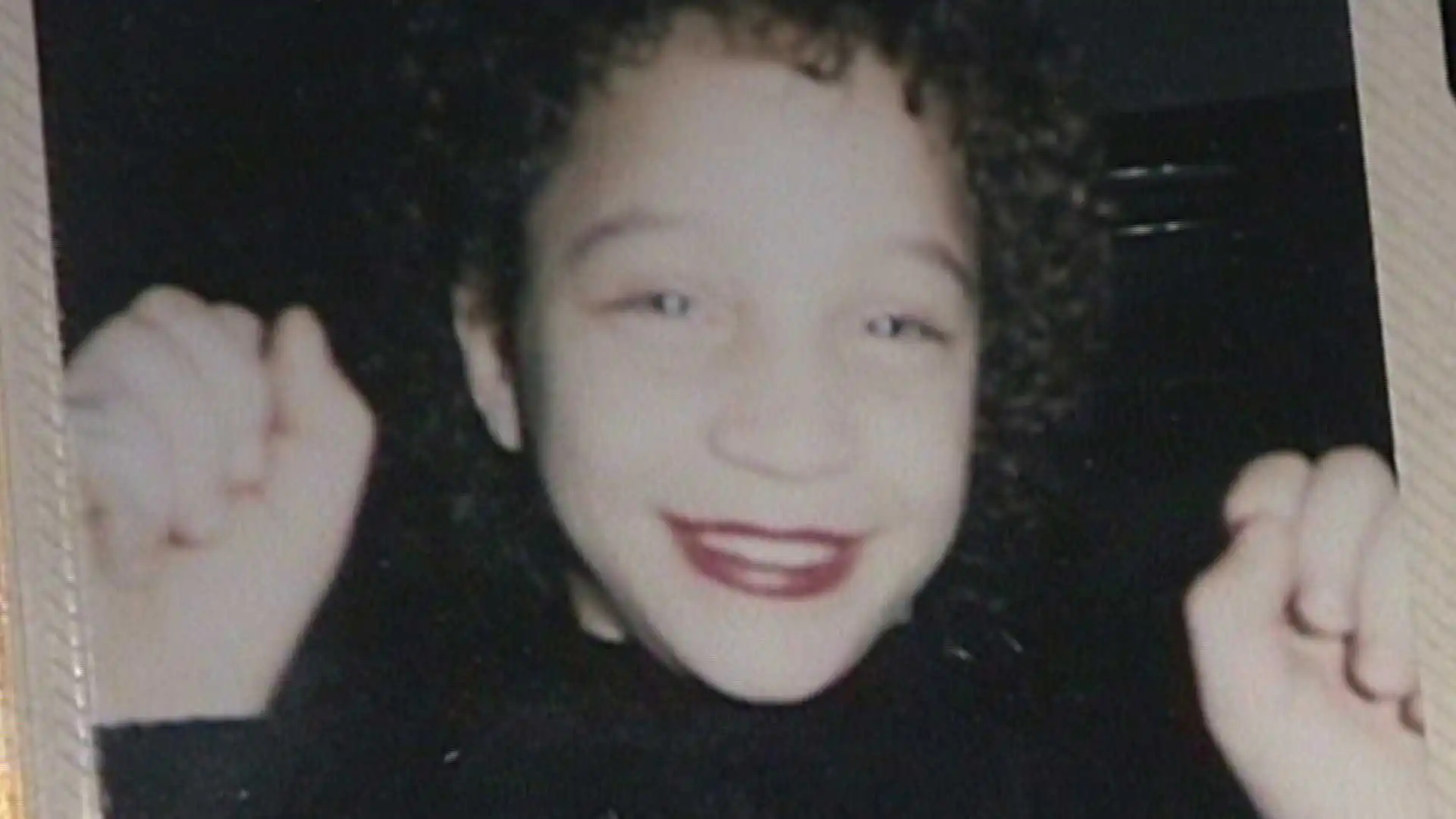
Kristina Joy Fetters was born on February 5, 1980. Prior to the tragic events of October 1994, Fetters exhibited severe behavioral and mental health challenges, leading to her placement at Orchard Place, a juvenile mental health facility in Des Moines, Iowa. During her early adolescence, she manifested deep-seated anger, defiance, and a tendency to view herself defensively as a victim, which strained her familial relationships.
2. Crime Spree
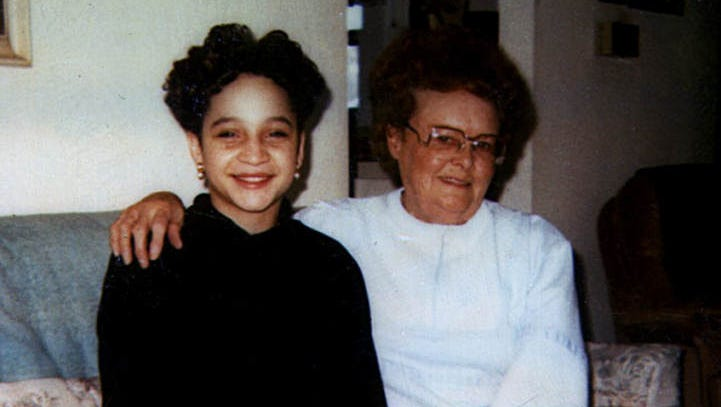
On October 25, 1994, at the age of 14, Fetters escaped from Orchard Place alongside another female resident. The pair traveled to the home of Kristina's 73-year-old great aunt, Arlene Klehm, located in Polk County. Once inside, Fetters struck Klehm in the head with a frying pan and subsequently stabbed her to death with a kitchen knife. While court records indicated the intent was to steal money and jewelry, Fetters later disputed the robbery motive while fully acknowledging her culpability in the homicide.
3. Police Investigation and Forensic Hunt
Law enforcement and forensic teams reacted swiftly on the day of the murder. Because Fetters had escaped from a juvenile institution earlier that same day, investigators quickly connected her to the crime scene. Physical evidence, including forensic recovery of the weapons and direct trace analysis, solidly anchored her presence and participation in the slaying.
4. Arrest and Judicial Proceedings
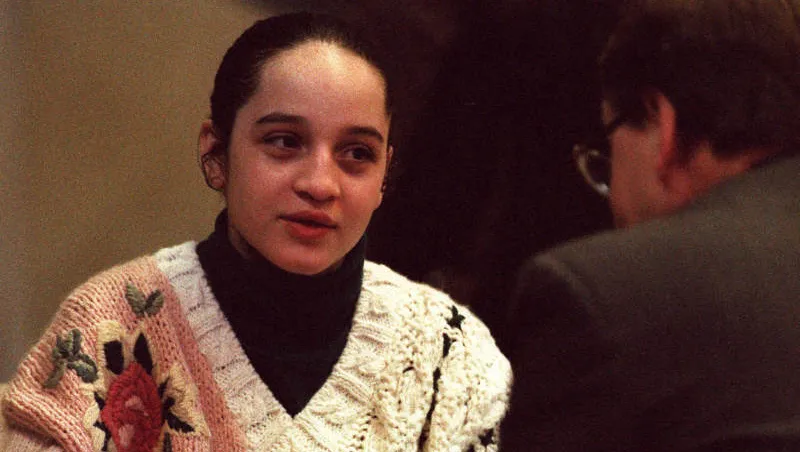
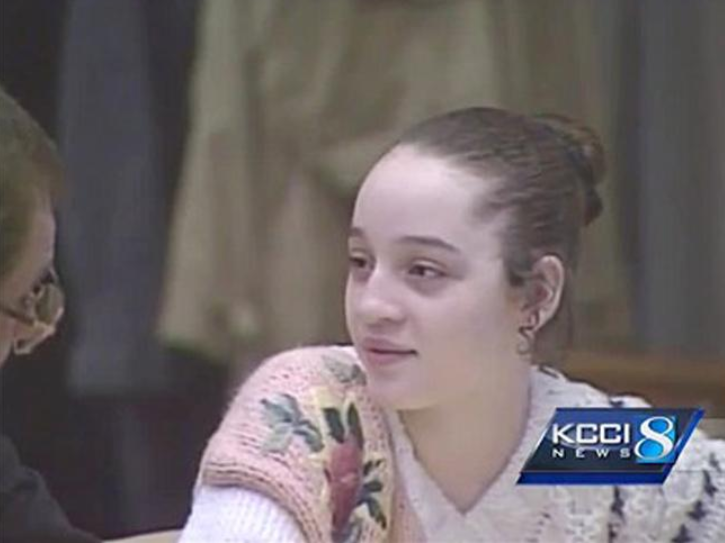
Despite being only 14 years old, prosecutors successfully petitioned the juvenile court to try Fetters as an adult due to the extreme brutality of the crime. On December 18, 1995, a jury convicted her of first-degree murder. She received a mandatory sentence of life imprisonment without the possibility of parole, establishing her as one of the youngest female inmates serving a life term in Iowa.
5. Psychiatric Evaluation and Aftermath
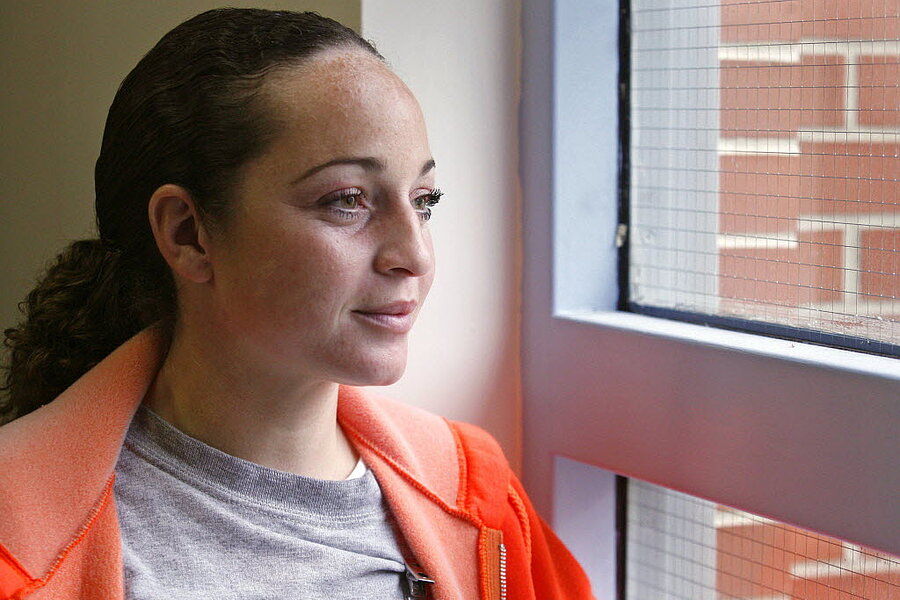
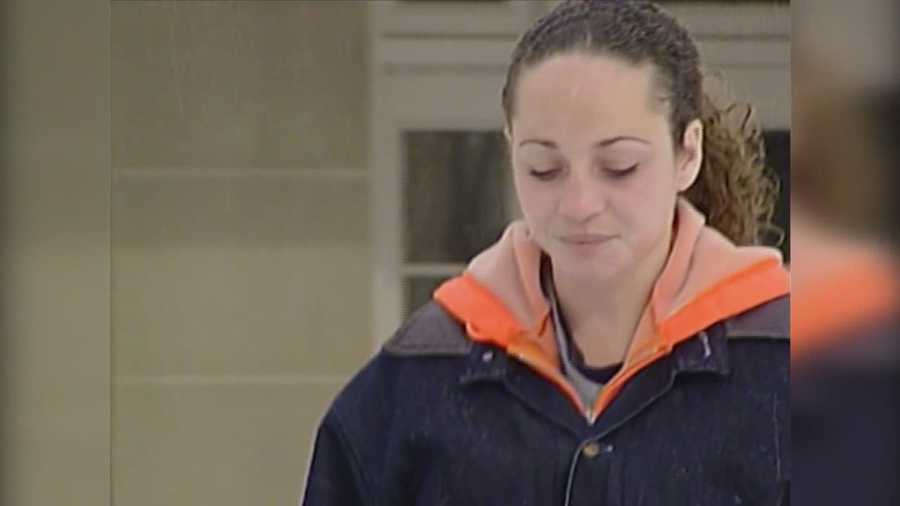
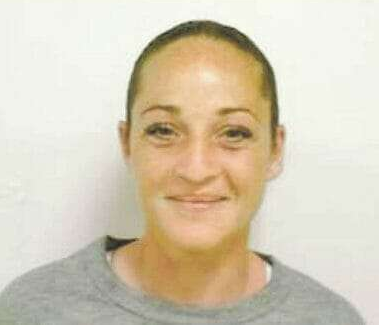
Imprisoned at the Iowa Correctional Institution for Women in Mitchellville, Fetters transitioned from an angry, guarded adolescent into an inmate who participated in victim-awareness programs. These programs proved pivotal in fostering remorse and maturity. Over the decades, her case has sparked prominent legal and ethical discussions in Iowa regarding parole eligibility and sentencing reforms for offenders incarcerated for crimes committed as juveniles.