Forensic & Criminological Matrix
| Parameter | Forensic Detail |
|---|---|
| Forensic Heading / Aliases | N/A |
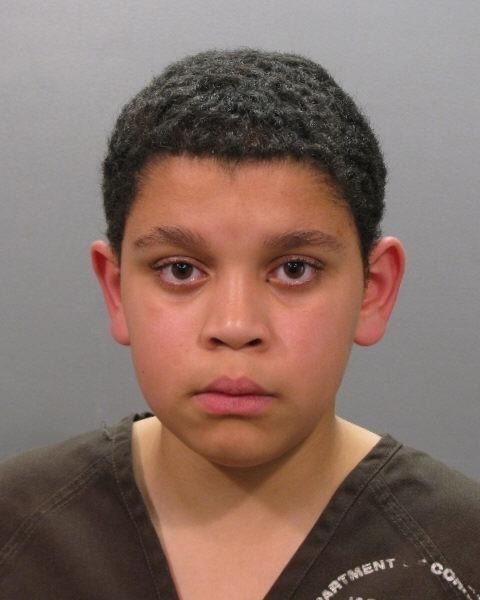
| Legal Identity | Cristian Fernandez |
| Confirmed Victims | 1 |
| Attributed / Indicted Victims | 1 |
| Active Timeline | 2011 |
| Jurisdiction / Area of Operations | Jacksonville, Florida |
| Criminological Classification | Juvenile Homicide Offender |
| Forensic Modus Operandi | Blunt force head trauma |
| Weapon / Mechanism of Death | Bookshelf (impact) |
| Motive / Behavioral Dynamics | Reactive anger and history of childhood abuse |
| Judicial Outcome | Convicted, later released |
1. Background and Profile
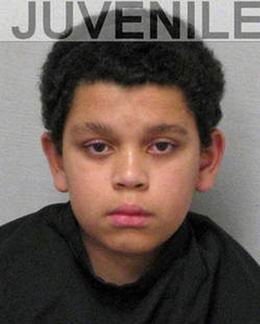
Born in 1999, Cristian Fernandez's early life was defined by severe domestic instability and abuse. Forensic psychologist William Meadows documented a history of deviant behavior dating back to 2002, including the killing of a pet kitten. Fernandez himself was a victim of abuse by his stepfather, Luis Galarraga, who committed suicide in 2010 while evading arrest.
2. Crime Spree
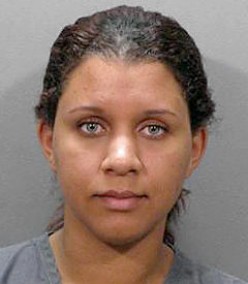
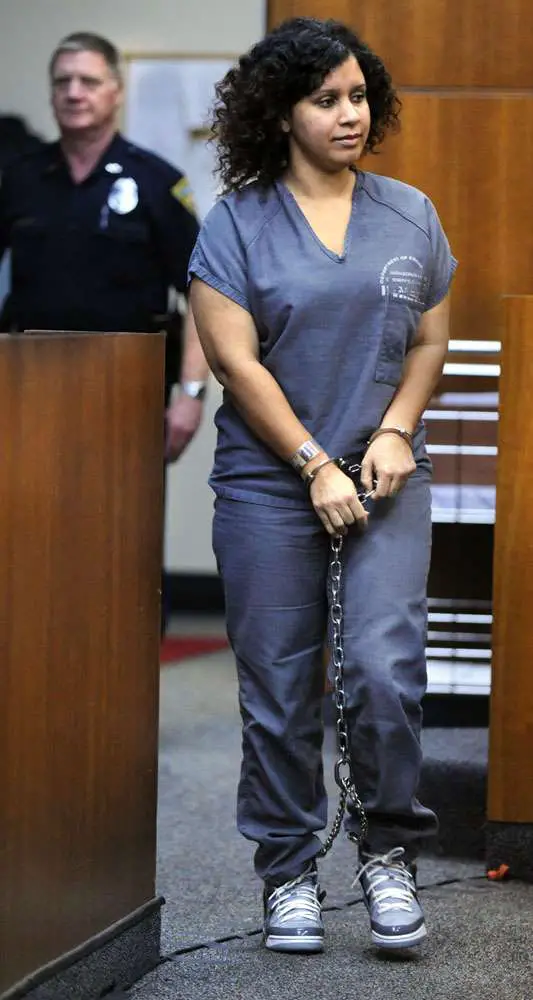
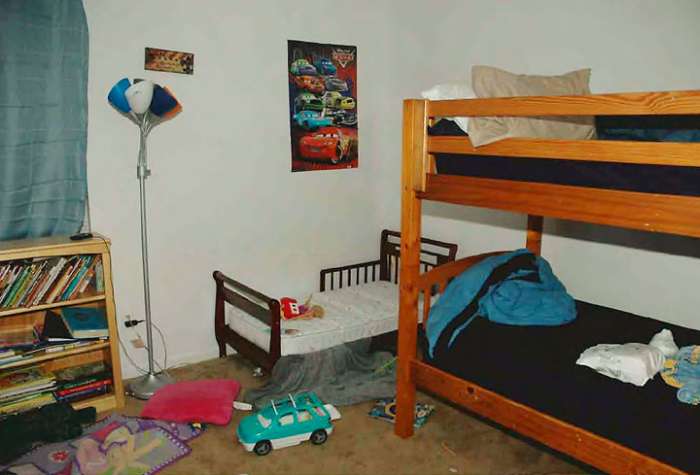
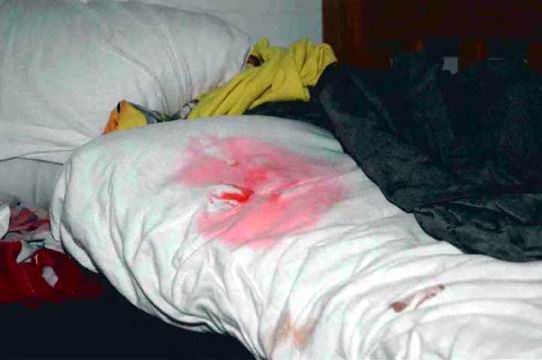
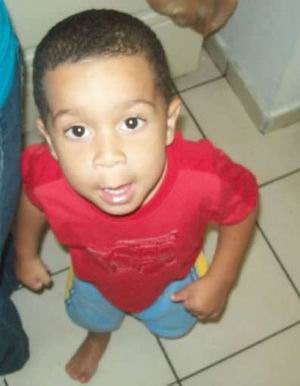
In March 2011, at an apartment in Jacksonville, Fernandez assaulted his 2-year-old half-brother, David Galarraga. The child was slammed into a bookshelf. The mother, Biannela Susana, failed to seek medical help for eight hours, instead researching head trauma online, which proved fatal for the toddler.
3. Investigation and Arrest
Investigators uncovered a pattern of systemic neglect. Two months prior to the homicide, the victim had suffered a broken leg, which the mother falsely attributed to a playground accident. Digital forensics confirmed the mother's delay in seeking medical intervention.
4. Legal Proceedings and Outcome
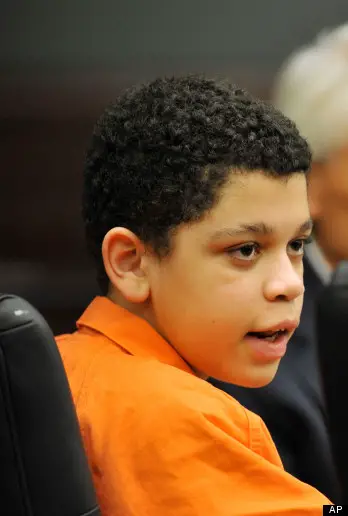
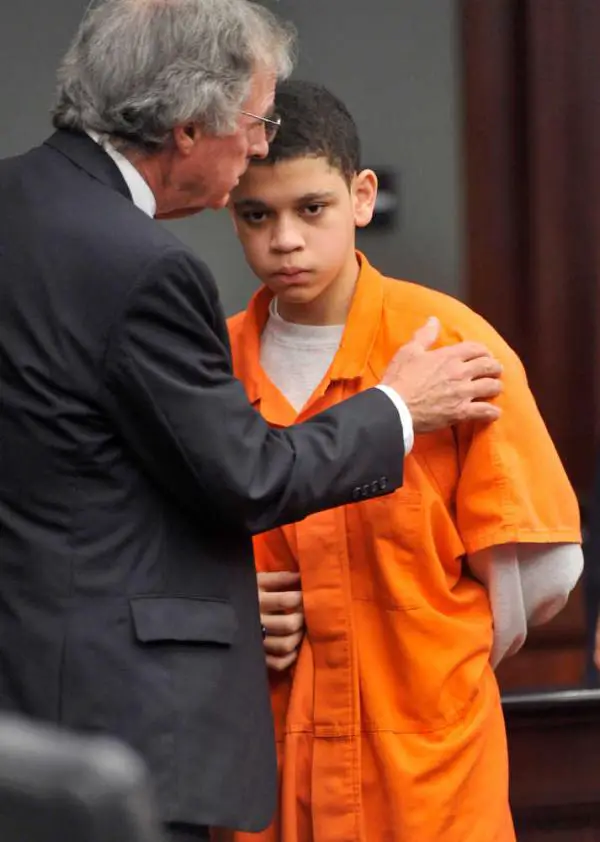
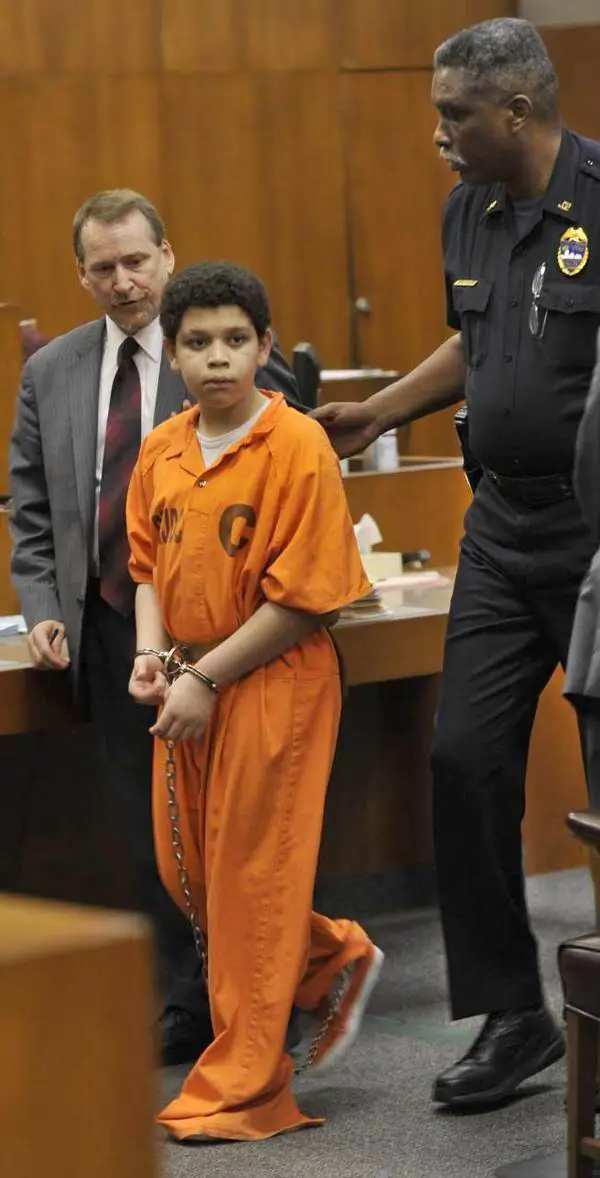
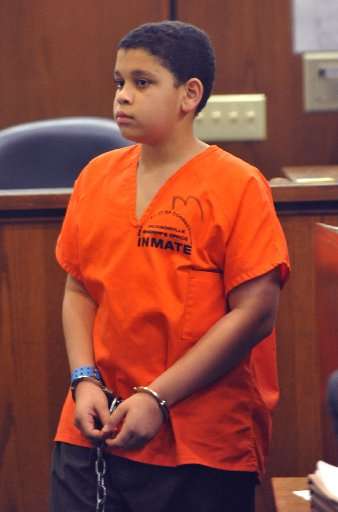
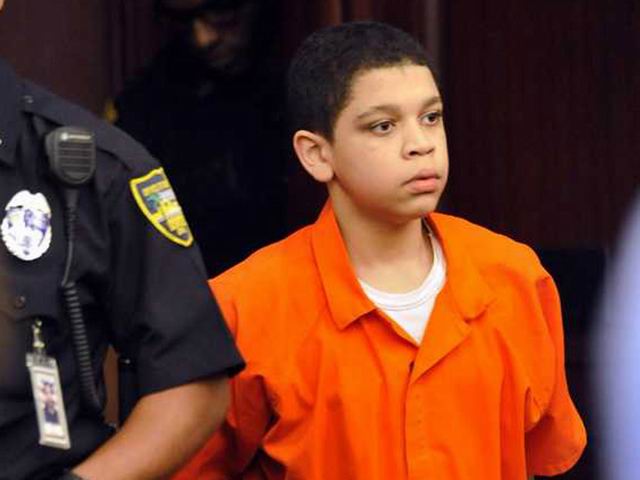
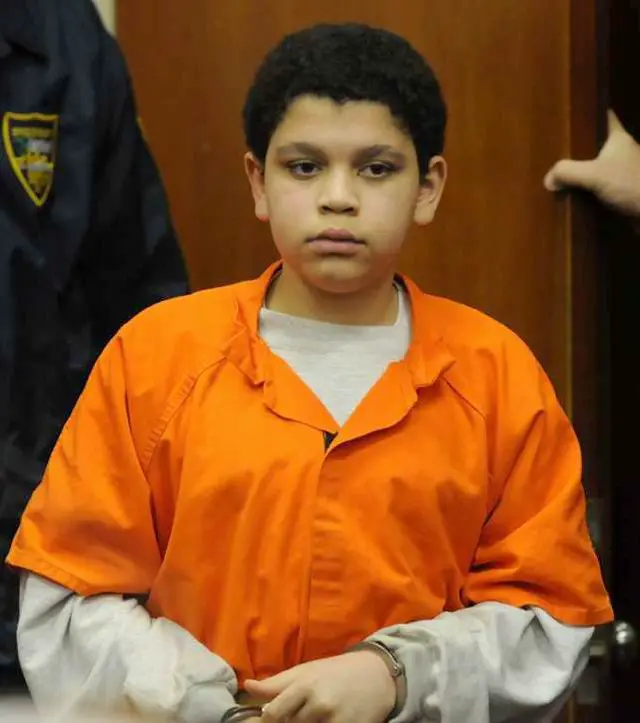
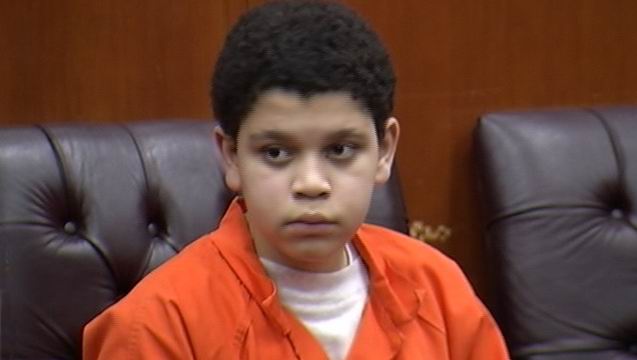
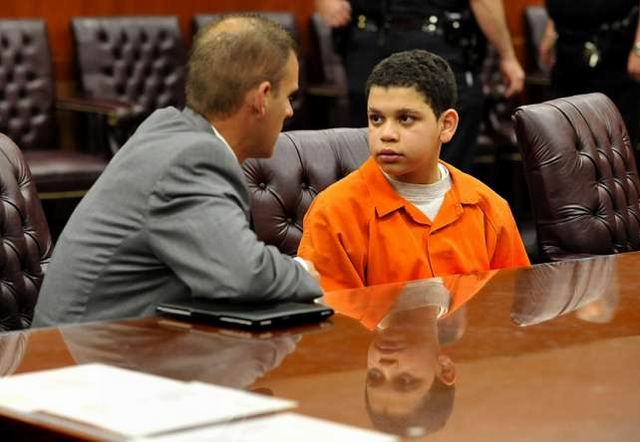
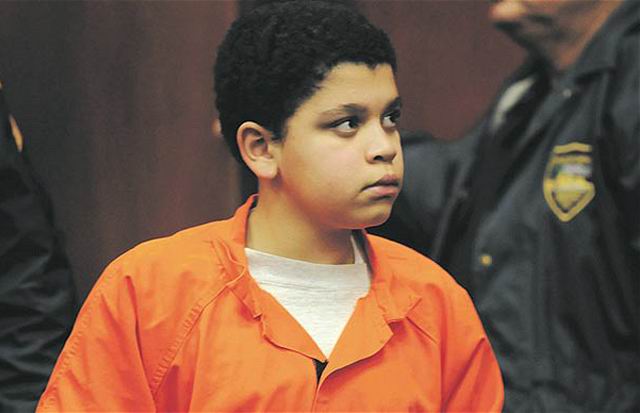
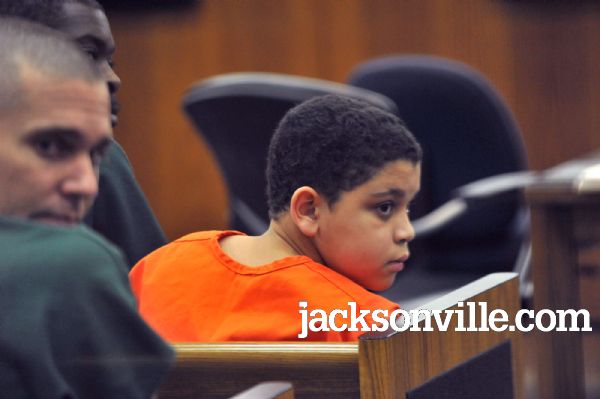
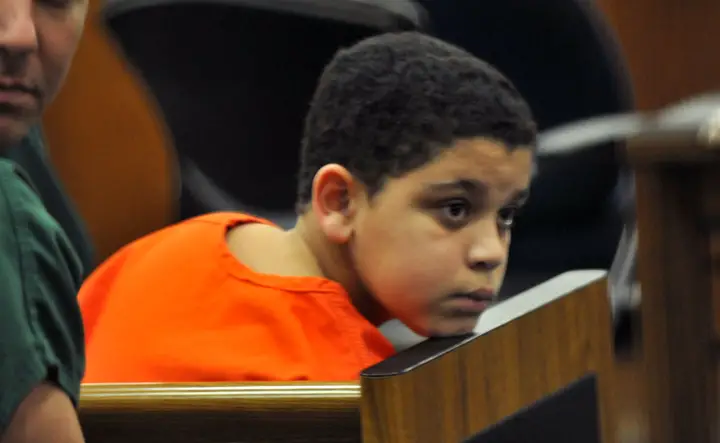
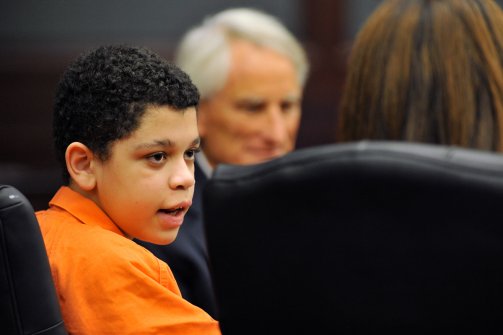
Fernandez became the youngest person in Jacksonville history to be charged as an adult with first-degree murder. The case sparked national debate regarding the treatment of juveniles in the adult criminal justice system. After extensive legal battles and constitutional challenges regarding sentencing, Fernandez was eventually released.
5. Psychiatric Evaluation and Conclusion
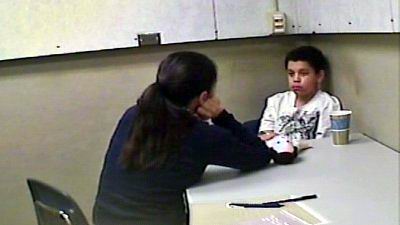
Psychological evaluations identified Fernandez as a high-risk individual for future violence due to his history of trauma. His case remains a pivotal study in the intersection of juvenile delinquency and the American judicial system.