



Forensic Case Matrix
| Parameter | Forensic Detail |
|---|---|
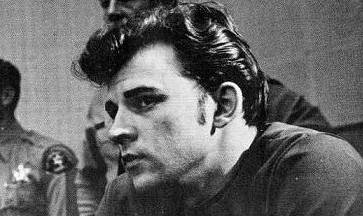
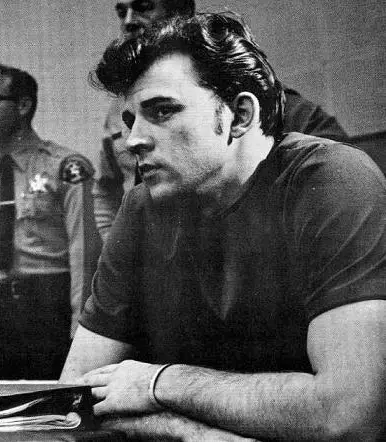
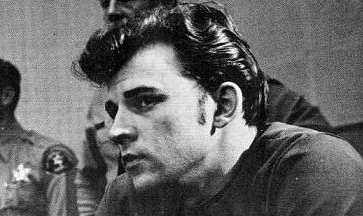
| Full Legal Name | Paul Robert Ferguson |
| Investigative Identity | Paul Robert Ferguson |
| Judicial / Media Alias | The Ramón Novarro Murder Case / The Ferguson Brothers |
| Date of Birth | June 27, 1946 |
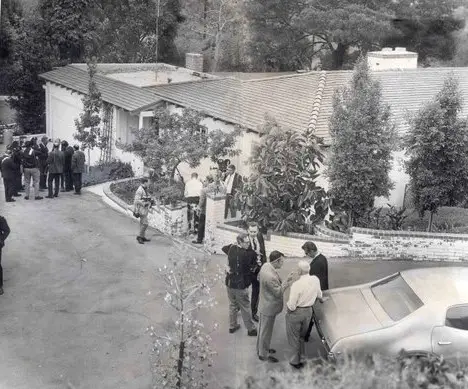
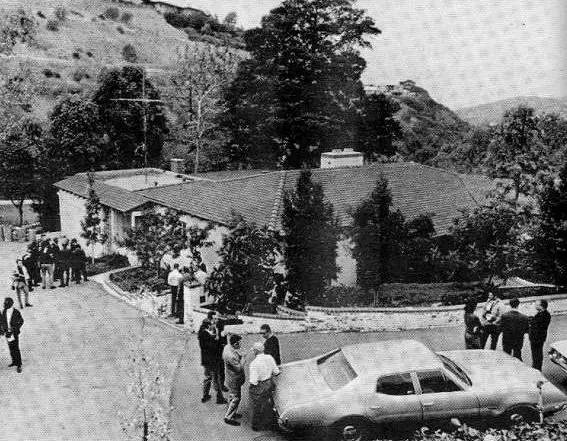
| Location of Offense | Laurel Canyon, Hollywood Hills, Los Angeles, California, United States |
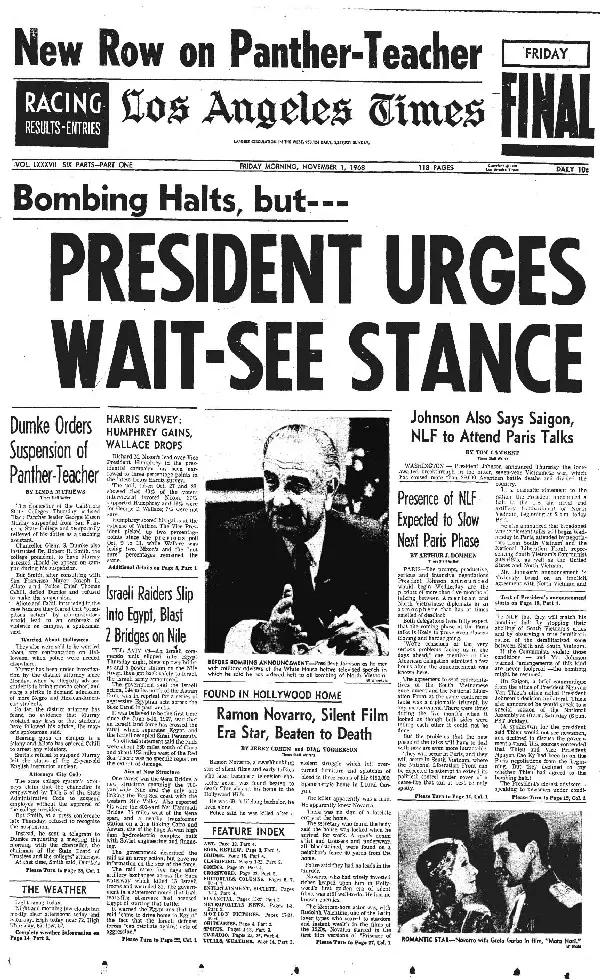
| Date of Crime | October 30, 1968 |
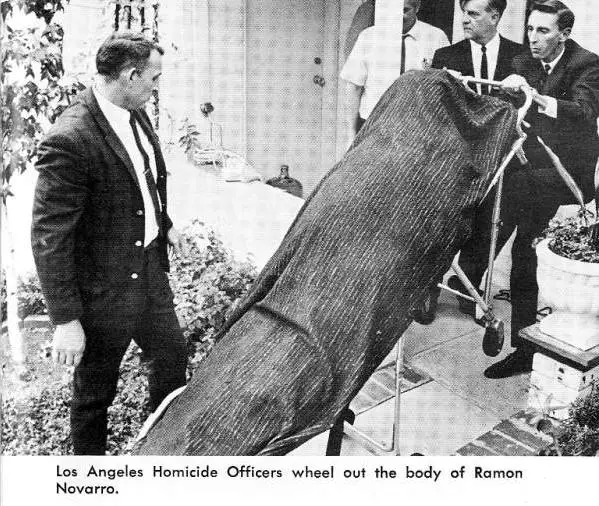
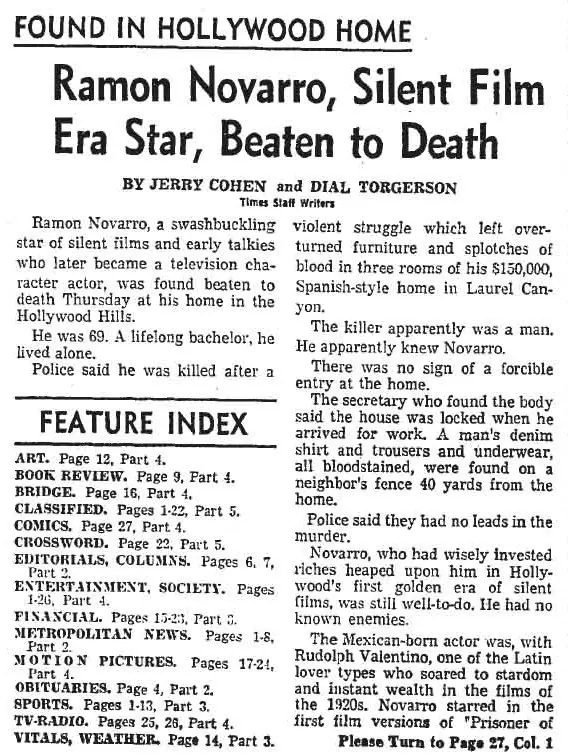
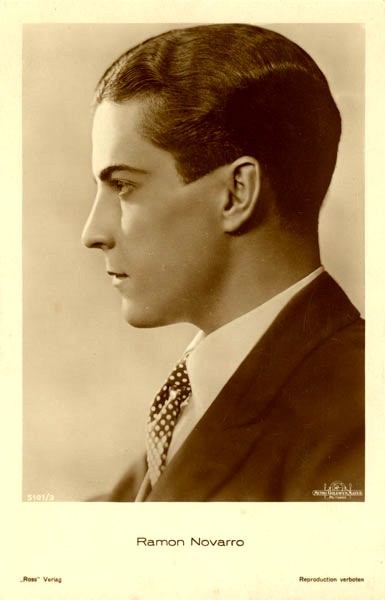
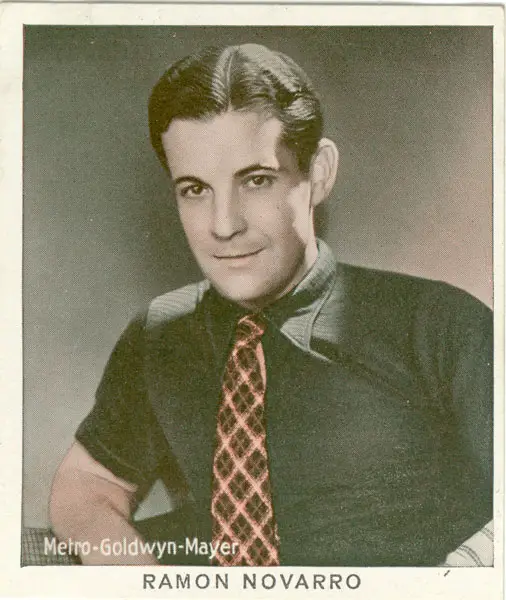
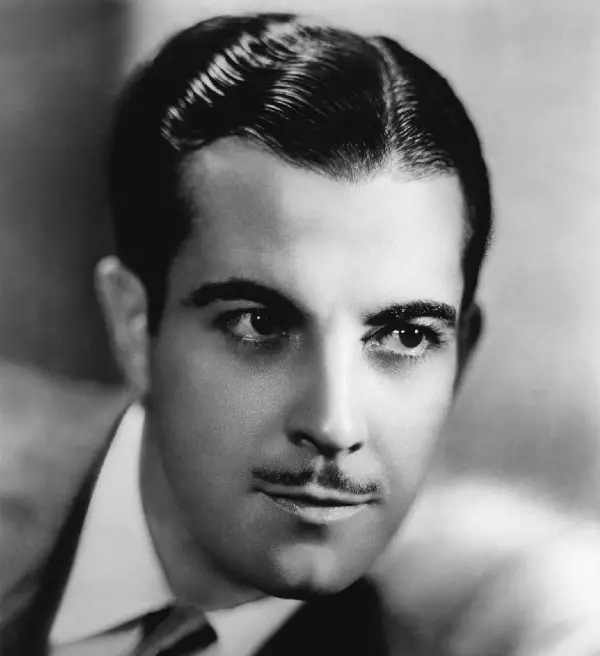
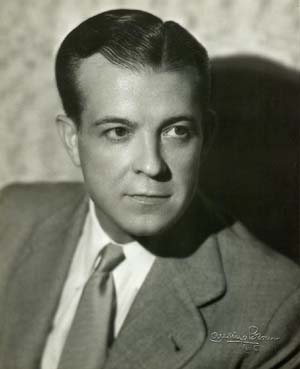
| Confirmed Victim | Ramón Samaniego Novarro (68 years old, silent screen star) |
| Legal Cause of Death | Mechanical asphyxiation from blood aspiration resulting from severe blunt craniofacial trauma |
| Procedural Status | Convicted of first-degree murder and robbery in 1969; subsequently re-incarcerated for parole violations and new offenses |
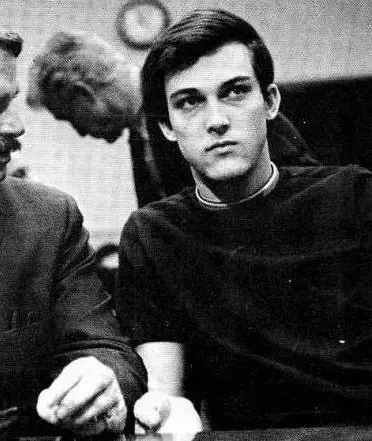
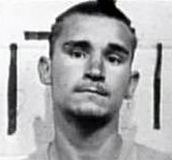
| Co-Defendant | Thomas Robert Ferguson (17 years old at the time of the crime, younger brother) |
| Adjudicating Court | Los Angeles County Superior Court |
| Motive | Instrumental robbery through severe coercive physical assault and extortion |
Criminological Profile and Background
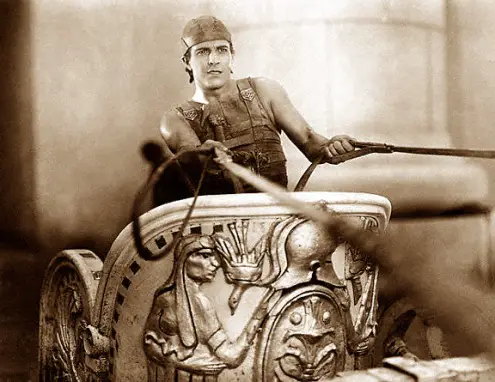
In October 1968, twenty-two-year-old Paul Robert Ferguson was engaged in petty street theft and commercial male escort work in central Los Angeles alongside his seventeen-year-old brother, Thomas Robert Ferguson. Operating in street circles, the brothers acquired the private phone number of Mexican-American silent film star Ramón Novarro, best known for his leading role in the 1925 classic Ben-Hur, who was then living in quiet retirement at his home in Laurel Canyon.
Spurred by unsubstantiated street gossip alleging that Novarro held a substantial cash hoard of up to five thousand dollars hidden within his estate, the Ferguson brothers devised a home robbery plan. They contacted Novarro and agreed to visit his residence on the evening of October 30, 1968, under the pretext of a paid encounter.
The Laurel Canyon Homicide: October 30, 1968
Once inside the estate and following an initial interaction between Paul and Novarro, the brothers initiated their planned robbery, demanding the immediate surrender of the purported cash stash. Novarro explained that he kept no significant liquid cash on the premises, as his assets were maintained in corporate accounts and equities, offering instead to write a personal check to persuade them to leave.
Assuming Novarro was lying to protect his money, Paul and Thomas Ferguson subjected him to an escalating, hours-long beating. Paul utilized his fists and a heavy, metal-topped walking cane found in the house to bludgeon the sixty-eight-year-old victim repeatedly across his head, face, chest, and torso. While ransacking the residence, Thomas Ferguson placed a forty-minute collect call from Novarro's landline to his girlfriend in Chicago, during which Novarro's distress vocalizations were audible in the background.
Failing to locate any hidden wealth, the intruders ransacked the house, stole twenty dollars found in a bathrobe pocket, and scrawled homophobic epithets in grease pencil across the bathroom mirror before departing. Left incapacitated and bound to his bed, Novarro asphyxiated on aspirated blood caused by severe intraoral and nasal fractures.
Investigation, Trial, and Subsequent Incarceration
The actor's body was discovered the following morning by his domestic employee. Los Angeles Police Department (LAPD) homicide investigators secured latent fingerprints from drinking glasses, bottles, and door hardware throughout the residence. Toll records for the landline revealed the long-distance call to Chicago during the attack. Detectives contacted the recipient in Illinois, who corroborated Thomas Ferguson's admissions made during the telephone call.
Both brothers were arrested shortly thereafter. During their 1969 trial before the Los Angeles County Superior Court, Paul urged his younger brother to shoulder sole responsibility, anticipating that juvenile status might shield him from maximum penalties. When prosecutors confirmed capital murder charges applied to both, Thomas withdrew his unilateral statement and provided a complete account of Paul's leading physical role in the assault.
Both defendants were convicted of first-degree murder and burglary, receiving life sentences. Both were granted parole in the mid-1970s following appellate reforms, but both were subsequently re-arrested and re-incarcerated on unrelated felony convictions and parole revocations in subsequent years.