Forensic & Criminological Matrix
| Parameter | Forensic Detail |
|---|---|
| Forensic Heading / Aliases | None recorded |
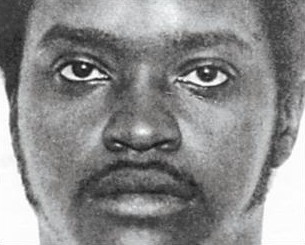
| Legal Identity | Ellis Wayne Felker |
| Confirmed Victims | 1 |
| Attributed / Indicted Victims | 1 |
| Active Timeline | 1976-1981 |
| Jurisdiction / Area of Operations | Georgia, United States |
| Criminological Classification | Sadistic sexual murderer |
| Forensic Modus Operandi | Luring via deception, bondage, torture, and strangulation |
| Weapon / Mechanism of Death | Strangulation, physical force, restraints |
| Motive / Behavioral Dynamics | Sadistic sexual gratification |
| Judicial Outcome | Executed by electric chair on November 15, 1996 |
1. Background and Profile
Ellis Wayne Felker (1948–1996) had a documented history of violent sexual deviancy. In 1976, he was convicted of aggravated sodomy after luring a woman to his home, where he bound and tortured her. Despite this, he was paroled in 1980, a decision that would prove fatal for his subsequent victim.
2. Crime Spree
In November 1981, Felker targeted 19-year-old Evelyn Joy Ludlam. He lured her to his leather shop under the guise of offering her a job. Ludlam disappeared shortly thereafter, and her body was discovered two weeks later in Scuffle Creek. Forensic evidence showed she had been repeatedly raped, sodomized, and strangled.
3. Investigation and Forensic Hunt
Police surveillance began shortly after Ludlam's disappearance. Investigators linked Felker to the crime through fibers found in his home and vehicle that matched the victim's clothing. The case was marked by controversy regarding the autopsy, which was initially performed by an untrained technician, leading to conflicting timelines of death.
4. Legal Proceedings and Outcome
Felker was convicted of murder, rape, and aggravated sodomy. His trial included evidence of his 1976 attack to establish a pattern of behavior. Despite numerous appeals citing prosecutorial misconduct and withheld evidence, his conviction was upheld. He was executed in Georgia's electric chair on November 15, 1996. Post-execution DNA testing on evidence from the case yielded inconclusive results.