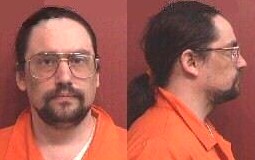
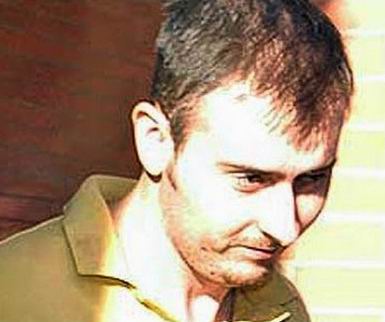
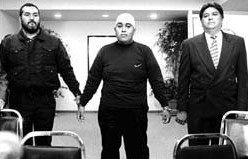
Forensic & Criminological Matrix
| Parameter | Forensic Detail |
|---|---|
| Forensic Heading / Aliases | The Frenchman |
| Legal Identity | Keith George Faure |
| Confirmed Victims | 4 |
| Attributed / Indicted Victims | 4 |
| Active Timeline | 1976 - 2005 |
| Jurisdiction / Area of Operations | Melbourne, Victoria, Australia |
| Criminological Classification | Contract Killer / Career Criminal |
| Forensic Modus Operandi | Contract executions, armed robbery, firearm usage |
| Weapon / Mechanism of Death | Firearms, bladed weapons |
| Motive / Behavioral Dynamics | Financial gain, gangland loyalty, territorial control |
| Judicial Outcome | Life imprisonment with a 19-year non-parole period |
1. Background and Psychopathy
Keith George Faure was born in June 1951. His family history is deeply entrenched in Australian organized crime, with his grandfather, Norman Leslie Bruhn, being a known Sydney gangster. Faure's criminal career spanned decades, characterized by a transition from armed robbery to contract killing. He is well-known for his long-standing prison feud with Mark 'Chopper' Read.
2. Crime Spree
Faure's criminal record includes the 1976 shooting of Senior Constable Michael Pratt, the manslaughter of Shane Dennis Rowland, and the killing of fellow inmate Alan Sopulak. His most significant crimes were the 2004 murders of Lewis Caine and Lewis Moran, the latter being a premeditated execution for which he was paid $150,000 by Tony Mokbel.
3. Investigation and Arrest
Following the discovery of Lewis Caine's body in Brunswick in 2004, police launched an extensive investigation into the Melbourne underworld wars. Faure was apprehended and subsequently entered into a plea deal, providing evidence against co-conspirators in exchange for a reduced sentence.
4. Legal Proceedings and Outcome
In 2005, Faure was convicted of the murder of Lewis Caine. He later pleaded guilty to the murder of Lewis Moran. In May 2006, he was sentenced to 24 years for the Caine murder and life imprisonment for the Moran murder, with a non-parole period of 19 years.