Forensic & Criminological Matrix
| Parameter | Forensic Detail |
|---|---|
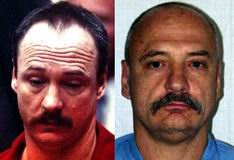
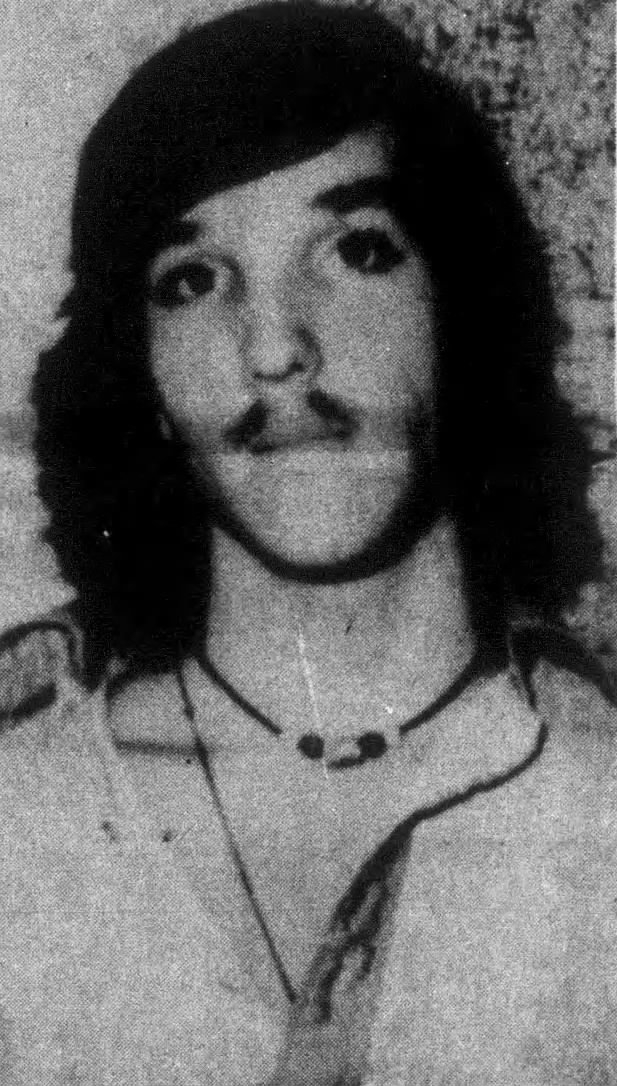
| Forensic Heading / Aliases | Stephen Lewis Farrar |
| Legal Identity | Stephen Lewis Farrar |
| Confirmed Victims | 1 |
| Attributed / Indicted Victims | 1 |
| Active Timeline | 1986 |
| Jurisdiction / Area of Operations | Keizer, Oregon, United States |
| Criminological Classification | Murderer / Violent Offender |
| Forensic Modus Operandi | Home invasion, physical assault, strangulation, and execution by firearm |
| Weapon / Mechanism of Death | Firearm, blunt force, and strangulation |
| Motive / Behavioral Dynamics | Robbery-homicide |
| Judicial Outcome | Death sentence (1987), commuted to life imprisonment following 1989 U.S. Supreme Court ruling |
1. Background and Profile
Stephen Lewis Farrar was born on July 25, 1957. Prior to the murder, he had a criminal record involving property crimes, specifically a burglary conviction in Tillamook County, Oregon. At the time of the offense, he was on parole and residing in Salem, Oregon.
2. Crime Spree
In 1986, Farrar broke into the home of 79-year-old Muriel L. Bentson in Keizer, Oregon. The victim was ambushed upon returning home from an exercise class. Farrar subjected the elderly woman to a violent assault, involving beating, strangulation, and ultimately shooting her to death during the commission of a robbery.
3. Investigation and Arrest
Law enforcement quickly identified Farrar as the primary suspect based on forensic evidence and his prior criminal history. His status as a parolee allowed authorities to track him effectively, leading to his arrest shortly after the crime.
4. Legal Proceedings and Outcome
Farrar was convicted of the robbery-slaying in 1987 and sentenced to death. He was the third individual sentenced to death following the reinstatement of capital punishment in Oregon. However, in 1989, the U.S. Supreme Court declared Oregon's death penalty statute unconstitutional, leading to the commutation of his sentence to life imprisonment.
5. Forensic Conclusion
Farrar remains incarcerated within the Oregon Department of Corrections. His case remains a significant point of study regarding the legal shifts in Oregon's capital punishment history during the late 1980s.