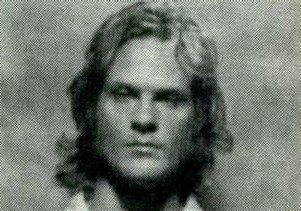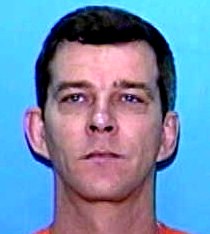
Forensic & Criminological Matrix
| Parameter | Forensic Detail |
|---|---|
| Forensic Heading / Aliases | null |
| Legal Identity | Victor Marcus Farr |
| Confirmed Victims | 1 |
| Attributed / Indicted Victims | 1 |
| Active Timeline | 1990 |
| Jurisdiction / Area of Operations | Columbia County, Florida |
| Criminological Classification | Emotionally unstable offender |
| Forensic Modus Operandi | Firearm usage following verbal altercation |
| Weapon / Mechanism of Death | Stolen firearm |
| Motive / Behavioral Dynamics | Depression, alcoholism, childhood trauma |
| Judicial Outcome | Death sentence (deceased in prison) |
1. Background and Profile
Victor Marcus Farr was born on July 3, 1961, in Natchez, Mississippi. His upbringing was characterized by severe abuse and neglect. Farr reported significant physical trauma during his childhood, which contributed to his early withdrawal from school and the development of chronic alcoholism by age 13. His adult life was defined by transient employment, multiple failed relationships, and a cycle of incarceration that preceded his final criminal act in Florida.
2. Criminal Career and Modus Operandi
In 1990, after being turned away by his adopted family in Florida, a destitute and suicidal Farr stole a firearm. During a confrontation at a local bar, the situation escalated into a lethal shooting. Farr later claimed that his actions were driven by a desire to end his own life and a profound sense of worthlessness, leading him to essentially seek a death sentence through his legal proceedings.
3. Investigation and Arrest
Law enforcement in Columbia County, Florida, handled the investigation. Farr was arrested shortly after the incident. Throughout the legal process, he expressed a lack of will to live, which influenced his interactions with legal counsel and the court. The case was processed under the Third Judicial Circuit of Florida.
4. Legal Proceedings and Outcome
Farr was convicted under case number 91-002. Despite various appeals filed by his legal team, including W.C. McLain and James Lohman, he remained incarcerated on death row. His life ended in prison in 2015, marking the conclusion of a case that highlights the intersection of severe childhood trauma and criminal behavior.