Forensic & Criminological Matrix
| Parameter | Forensic Detail |
|---|---|
| Forensic Heading / Aliases | None |
| Legal Identity | Jesse Stuart Fanus |
| Confirmed Victims | 1 |
| Attributed / Indicted Victims | 1 |
| Active Timeline | 1998 |
| Jurisdiction / Area of Operations | Roseburg, Oregon, USA |
| Criminological Classification | Robbery-homicide offender |
| Forensic Modus Operandi | Armed home invasion with shotgun |
| Weapon / Mechanism of Death | Stolen shotgun |
| Motive / Behavioral Dynamics | Robbery and white supremacist ideology |
| Judicial Outcome | Death sentence (affirmed by Oregon Supreme Court) |
1. Background and Psychopathy
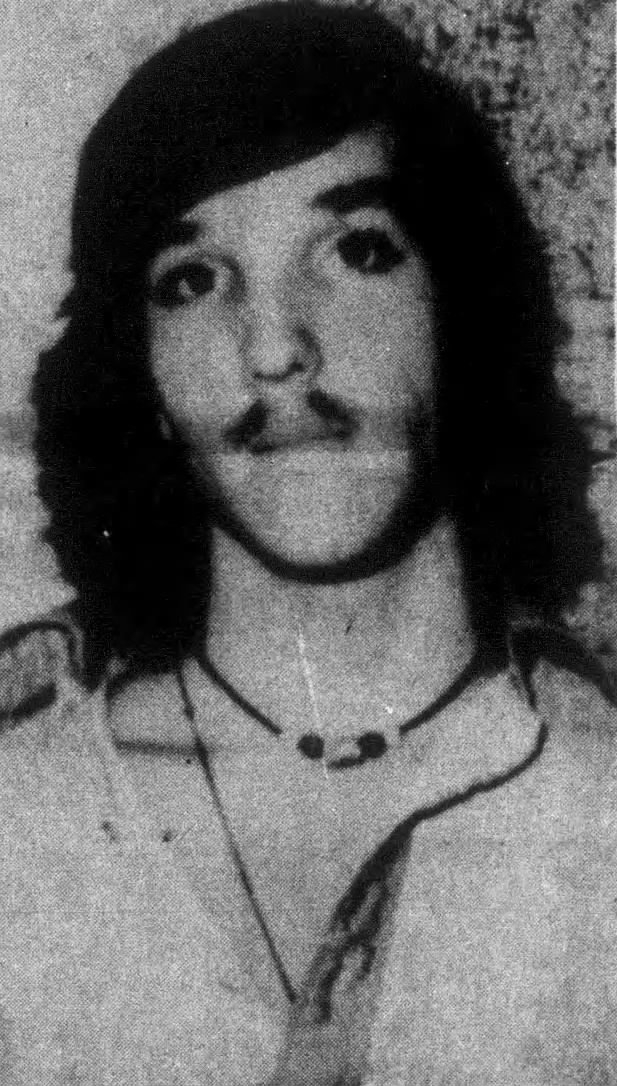
Jesse Stuart Fanus (born June 2, 1979) was a troubled youth whose criminal activities escalated into the murder of a decorated U.S. Marine Corps Major General. His behavioral profile included clear indicators of white supremacist ideology, evidenced by graffiti and writings recovered by law enforcement.
2. Crime Spree
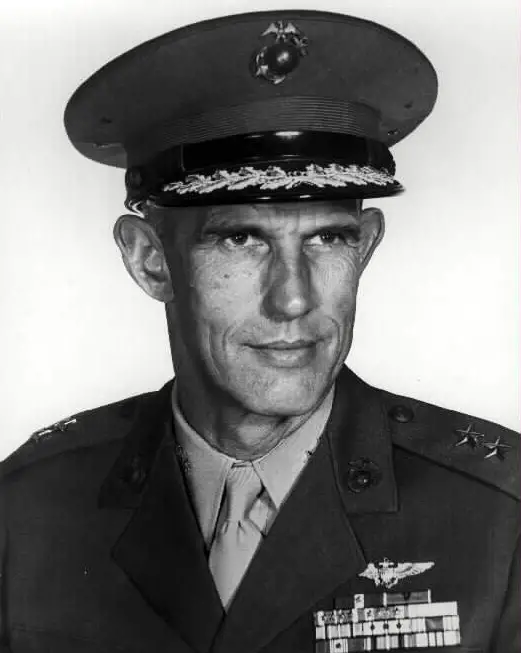
On the night of June 28, 1998, Fanus broke into the home of Major General Marion Carl and his wife, Edna, in Douglas County, Oregon. Armed with a shotgun stolen from a local towing business, Fanus shot and killed Marion Carl as he attempted to shield his wife. He then coerced Edna Carl into providing cash and vehicle keys at gunpoint.
3. Investigation and Arrest
Following the high-profile murder, a manhunt ensued. Fanus was apprehended in Pasadena, California, on July 5, 1998, and subsequently extradited to Oregon. Forensic evidence, including the murder weapon and hate-speech graffiti, solidified the prosecution's case.
4. Legal Proceedings and Outcome
In April 1999, a Douglas County jury convicted Fanus on 13 counts, including aggravated murder. He was sentenced to death, becoming the youngest inmate on Oregon's death row at the time. The Oregon Supreme Court affirmed his conviction and sentence in 2003 after exhaustive legal reviews.
5. Behavioral Dynamics and Conclusion
The case remains a significant point of study regarding the intersection of violent crime and extremist ideology. The subsequent suicide of his brother, Robert Calvin Fanus, in 2000, underscores the profound impact of the perpetrator's actions on his own family.