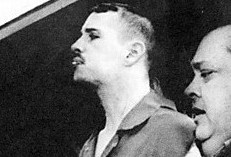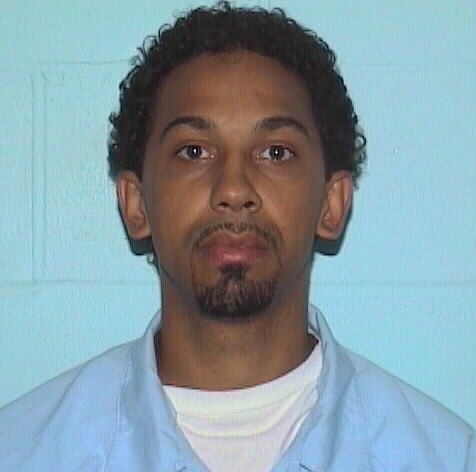





Forensic & Criminological Matrix
| Parameter | Forensic Detail |
|---|---|
| Forensic Heading / Aliases | None |
| Legal Identity | Adam Ezerski |
| Confirmed Victims | 1 |
| Attributed / Indicted Victims | 2 |
| Active Timeline | July - August 2001 |
| Jurisdiction / Area of Operations | Florida and California, USA |
| Criminological Classification | Predatory murderer / Itinerant offender |
| Forensic Modus Operandi | Lure, physical assault, strangulation, and robbery |
| Weapon / Mechanism of Death | Strangulation, blunt force trauma (plaster statue) |
| Motive / Behavioral Dynamics | Financial gain / Predatory behavior |
| Judicial Outcome | 25-year sentence for second-degree murder |
1. Background and Profile
Born in 1982, Adam Ezerski had a history of minor offenses as a juvenile. Estranged from his family, he developed a parasitic lifestyle, frequently exploiting those he met. Law enforcement described him as a manipulative individual who could easily project an 'innocent' persona to gain the trust of his victims.
2. Crime Spree
Ezerski's modus operandi involved befriending gay men in cafes or bars. He would lure them into private settings, often using the promise of a 'Key West massage.' Once inside, he would rob them, frequently resorting to extreme violence, including strangulation and blunt force trauma.
3. Investigation and Arrest
Following the murders of Irving Sicherer and Anthony Martilotto, a massive manhunt ensued. Ezerski fled to California, where he attacked a man in the Tenderloin district of San Francisco. FBI agents and local police tracked him to Reno, Nevada, where he was apprehended at a casino hotel alongside his associate, Troy Alan Young.
4. Legal Proceedings and Outcome
Upon his arrest on August 17, 2001, Ezerski surrendered without incident. He was extradited to Florida, where he pleaded guilty to second-degree murder in the death of Anthony Martilotto. He was sentenced to 25 years in prison.
5. Behavioral Dynamics and Conclusion
Ezerski's behavior was characterized by a lack of genuine remorse. Despite his attempts to claim self-defense, the evidence of his calculated predatory behavior led to his conviction. The case remains a notable example of the vulnerability of individuals within the community to predatory itinerant offenders.