Forensic & Criminological Matrix
| Parameter | Forensic Detail |
|---|---|
| Forensic Heading / Aliases | None |
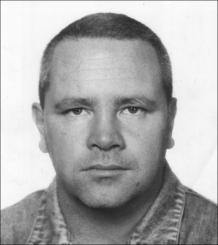
| Legal Identity | Paul Anthony Evers |
| Confirmed Victims | 5 |
| Attributed / Indicted Victims | 5 |
| Active Timeline | 1990 |
| Jurisdiction / Area of Operations | Surry Hills, Sydney, Australia |
| Criminological Classification | Mass Murderer |
| Forensic Modus Operandi | Firearm execution in a residential setting |
| Weapon / Mechanism of Death | Firearm |
| Motive / Behavioral Dynamics | Rejection, Psychosis |
| Judicial Outcome | Convicted of manslaughter due to diminished responsibility |
1. Background and Profile
Paul Anthony Evers, 35 at the time of the incident, had a history defined by abandonment and emotional instability. His biological mother left him at age three, and he suffered further rejection from his stepmother and half-sister. Psychiatrists diagnosed him as psychotic, noting that his rage was fueled by a deep-seated inability to cope with perceived abandonment.
2. Crime Spree
The incident took place at a public housing apartment building in the Surry Hills district of Sydney. During a morning rampage, Evers opened fire on his neighbors. While Evers claimed he was reacting to taunts, forensic psychiatrists concluded that the primary trigger was his neighbor, Coleman, leaving him. Five people were killed in the attack; four died at the scene, and one died in the hospital.
3. Investigation and Arrest
Police described the crime scene as "horrendous." Evers was apprehended at the scene shortly after the shooting. The investigation focused on the forensic evidence of the shooting and the psychological evaluation of the perpetrator, who was found to be in a state of acute psychosis.
4. Legal Proceedings and Outcome
Evers faced five counts of murder. During the trial, his legal team successfully argued for diminished responsibility due to his mental state. Consequently, he was convicted of manslaughter rather than murder, reflecting the court's recognition of his psychological impairment.
5. Psychiatric Evaluation and Conclusion
The forensic psychiatric report highlighted Evers' severe mental instability. Following the completion of his sentence, Evers was released, leaving a lasting impact on the Surry Hills community.