



Forensic & Criminological Matrix
| Parameter | Forensic Detail |
|---|---|
| Forensic Heading / Aliases | null |
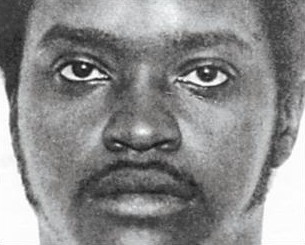
| Legal Identity | Wilbert Lee Evans |
| Confirmed Victims | 1 |
| Attributed / Indicted Victims | 1 |
| Active Timeline | 1981 |
| Jurisdiction / Area of Operations | Alexandria, Virginia |
| Criminological Classification | Cop killer / Fugitive |
| Forensic Modus Operandi | Use of stolen service weapon during escape attempt |
| Weapon / Mechanism of Death | Firearm (Officer's service revolver) |
| Motive / Behavioral Dynamics | Custody evasion and premeditated violence |
| Judicial Outcome | Execution by electric chair |
1. Background and Profile
Wilbert Lee Evans was an American inmate executed in Virginia. Originally a prisoner in North Carolina, he was transported to Alexandria, Virginia, to testify in an extradition hearing. His criminal profile was marked by high risk and premeditated intent to escape state custody.
2. Criminal Career and Modus Operandi
On January 27, 1981, while being escorted by Deputy Sheriff William Gene Truesdale, Evans initiated a planned escape. He successfully disarmed Deputy Truesdale and shot him to death. Evans then attempted to flee through the Old Town area of Alexandria, threatening other officers with the stolen weapon before being apprehended.
3. Investigation and Arrest
Investigators determined that Evans had feigned cooperation as a witness solely to orchestrate his escape. Forensic evidence and witness statements confirmed that the murder of Deputy Truesdale was a calculated act of violence intended to facilitate his flight.
4. Legal Proceedings and Outcome
Evans was sentenced to death in 1981. The case faced significant legal scrutiny when the prosecution admitted to using fraudulent conviction records to establish "future dangerousness." This led to a vacated sentence and a resentencing hearing in 1984, where a new jury again recommended the death penalty.
5. Forensic Psychiatric and Final Outcome
While on death row at Mecklenburg Correctional Center, Evans was noted for model behavior. During a 1984 prison riot, he protected guards and nurses, which sparked legal debates regarding his "future dangerousness." Despite numerous appeals and dissenting opinions from Supreme Court Justices, his execution was carried out on October 17, 1990, via the electric chair.