Forensic & Criminological Matrix
| Parameter | Forensic Detail |
|---|---|
| Forensic Heading / Aliases | null |
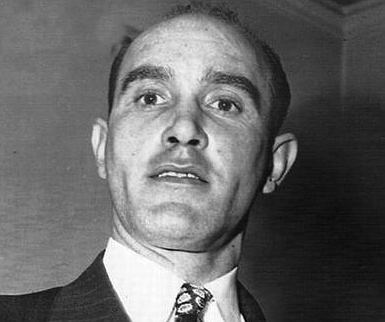
| Legal Identity | John Louis Evans III |
| Confirmed Victims | 1 |
| Attributed / Indicted Victims | 1 |
| Active Timeline | 1977 |
| Jurisdiction / Area of Operations | Mobile, Alabama |
| Criminological Classification | Robbery-murderer |
| Forensic Modus Operandi | Armed robbery, kidnapping, and summary execution |
| Weapon / Mechanism of Death | Firearm |
| Motive / Behavioral Dynamics | Economic gain and existential nihilism |
| Judicial Outcome | Death penalty (botched execution) |
1. Background and Psychopathy
John Louis Evans III was a career criminal whose life ended in a highly controversial execution. He was known for his extensive criminal history, claiming involvement in hundreds of armed robberies and kidnappings.
2. Crime Spree
Evans and his accomplice, Wayne Ritter, were responsible for the robbery and murder of a pawn shop owner in Mobile, Alabama. Evans did not contest his guilt, instead choosing to confess and demand the death penalty.
3. Investigation and Arrest
Following his arrest in 1977, Evans cooperated with the prosecution, effectively waiving his right to a defense. His case became a focal point for legal debates regarding the constitutionality of Alabama's capital punishment statutes.
4. Legal Proceedings and Outcome
His case reached the U.S. Supreme Court multiple times. His mother, Betty Evans, attempted to stay his execution on the grounds of mental incompetence, but the courts consistently ruled that Evans was competent to make his own decisions regarding his fate.
5. Forensic Report and Execution
On April 22, 1983, Evans was executed by electrocution. The procedure was botched; the electrode caught fire, causing flames and smoke to erupt from his leg and head. It took three jolts of electricity and 14 minutes for the execution to be completed, leaving his body severely charred.